
Let’s Explore
Tarangire National Park
Tarangire National Park
Tarangire National Park is one of Tanzania’s most scenic wildlife destinations and an important part of the northern safari circuit. Located in Manyara Region, the park is famous for its large elephant herds, ancient baobab trees, open grasslands, and the Tarangire River, which provides an important source of water for wildlife during the dry season. The park covers approximately 2,850 square kilometres and forms part of a much larger ecosystem extending across the Maasai Steppe.
Tarangire has a distinctive landscape made up of open savannah, acacia woodland, seasonal swamps, baobab-studded hills, and river valleys. During the dry season, many animals from the surrounding areas gather around the Tarangire River and other remaining water sources, creating excellent opportunities for wildlife viewing.
Wildlife in Tarangire National Park
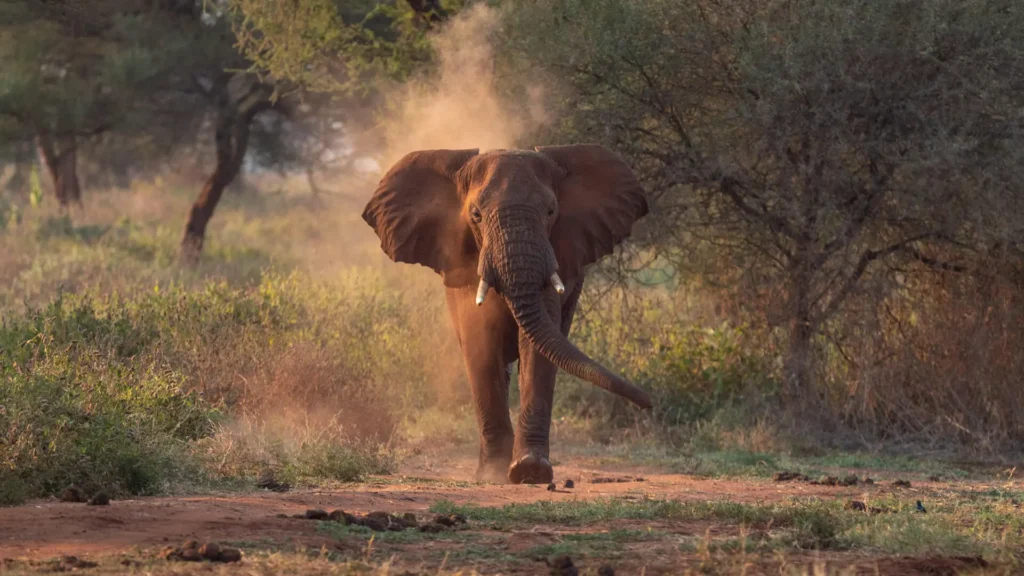
Tarangire is particularly famous for its elephants, which can often be seen moving in large herds across the park. The park also supports lions, leopards, cheetahs, buffaloes, giraffes, zebras, wildebeests, elands, impalas, gazelles, and many other species.
Tarangire is also home to several less commonly seen animals, including greater and lesser kudu, gerenuk, oryx, and African wild dogs. The park’s varied habitats provide important shelter and feeding grounds for both large mammals and smaller wildlife.
The Tarangire River
The Tarangire River is one of the most important features of the park. During the dry season, when many seasonal water sources disappear, the river continues to provide water for wildlife.
Large numbers of elephants, buffaloes, zebras, wildebeests, giraffes, and other animals gather around the river and nearby water sources. This concentration of wildlife makes the dry season an especially rewarding time for game drives.
Baobab Trees
Baobab trees are among the most recognizable features of Tarangire National Park. Their enormous trunks and distinctive shapes create some of the park’s most memorable landscapes.
The trees are important to the ecosystem, providing food and shelter for different species. Some baobabs can live for hundreds or even thousands of years, making them a fascinating part of Tarangire’s natural heritage.
Silale Swamp
Silale Swamp is one of the important wildlife areas in Tarangire. During the dry season, its surroundings provide grazing and water resources for animals that move through the park.
The area can attract elephants, buffaloes, zebras, wildebeests, giraffes, and other herbivores, while predators such as lions may be found nearby following the concentration of prey.
Birdlife
Tarangire is an excellent destination for bird watching, with hundreds of bird species recorded within the park. Its combination of grasslands, woodlands, swamps, river habitats, and baobab trees supports a diverse bird population.
Birds of prey are particularly noticeable, including martial eagles and bateleur eagles, while smaller species such as pygmy falcons can also be seen. The park is also home to a variety of hornbills, weavers, starlings, bee-eaters, and other savannah birds.
Things to Do in Tarangire National Park
Game Drives
Game drives are the main activity in Tarangire National Park. Visitors explore the park by safari vehicle while searching for wildlife and enjoying its varied landscapes.
During a game drive, you may see large elephant herds, lions, buffaloes, giraffes, zebras, wildebeests, antelopes, and many bird species. The Tarangire River and surrounding areas are particularly productive for wildlife viewing during the dry season.
Walking Safari
A guided walking safari provides a closer look at Tarangire’s smaller details, including animal tracks, plants, insects, birds, and signs of wildlife activity.
Walking experiences must follow park regulations and be accompanied by authorized guides or rangers.
Hot Air Balloon Safari
A hot air balloon safari offers a different way to experience Tarangire. Early morning flights provide wide views over the savannah, baobab trees, river valleys, and wildlife below.
From above, visitors can appreciate the scale of the park and observe animals moving through the landscape. Balloon safaris are usually followed by a bush breakfast.
Night Game Drive
A night game drive provides an opportunity to experience Tarangire after sunset. The park becomes quieter and different animals become active as temperatures fall.
With an authorized guide, visitors may search for nocturnal wildlife and observe species that are less active during the day. Night activities are subject to park regulations and designated areas.
Bird Watching
Tarangire is well suited to bird watching because of its diverse habitats and large number of recorded species. Early morning game drives are particularly useful for observing birds when they are most active.
Bird enthusiasts can look for raptors, hornbills, bee-eaters, weavers, starlings, and many other species throughout the park.
Bush Meals
A bush meal allows visitors to enjoy breakfast, lunch, or dinner in a carefully selected location within the safari setting. Surrounded by the natural landscape, guests can enjoy a meal while taking in the sights and sounds of the African wilderness.
Best Time to Visit Tarangire National Park
Tarangire can be visited throughout the year, with each season offering a different experience.
June to October is generally a popular period for wildlife viewing. As water becomes scarce, large numbers of animals gather around the Tarangire River and other permanent water sources, making wildlife easier to find.
November to December brings the short rains, while the long rains generally occur from March to May. During the wetter months, the park becomes greener and many areas receive fewer visitors. Birdlife is also active during the green season.
For visitors mainly interested in large concentrations of wildlife and elephants, the dry season is an important period to consider.
How to Get to Tarangire National Park
Tarangire is easily accessible as part of a northern Tanzania safari.
By Road
The park is approximately 2.5 to 3 hours from Arusha by road under normal conditions. The route generally passes through Makuyuni and Minjingu before reaching the park. The final section uses park roads, and a 4×4 vehicle is recommended during the wetter months.
Because of its location, Tarangire is often combined with other northern Tanzania destinations such as Lake Manyara, Ngorongoro Conservation Area, and Serengeti National Park.
By Air
Visitors can also reach Tarangire by air. Charter and scheduled flights can connect the area with other destinations in Tanzania, with Kuro Airstrip serving the park.
Where to Stay in Tarangire National Park
Tarangire offers different types of accommodation to suit different safari styles and budgets. Visitors can choose from public campsites, special campsites, tented camps, lodges, and other accommodation options around the park and its boundaries.
Staying near the Tarangire River or other wildlife-rich areas can provide convenient access to game-viewing locations. During the busy dry season, booking accommodation in advance is recommended.
Why Visit Tarangire National Park?
arangire offers a different safari experience from the vast plains of Serengeti. Its combination of large elephant herds, ancient baobab trees, seasonal swamps, open savannah, diverse birdlife, and the Tarangire River creates a distinctive landscape for wildlife viewing.
A visit can include game drives, walking safaris, bird watching, night experiences, hot air ballooning, and bush meals. Its location also makes Tarangire an easy destination to include in a northern Tanzania safari together with Ngorongoro and Serengeti.
