
Let’s Explore
Lake Manyara National Park
Lake Manyara National Park
Lake Manyara National Park is one of Tanzania’s most diverse and scenic wildlife destinations, located in the northern part of the country at the foot of the Great Rift Valley escarpment. The park is named after Lake Manyara, a shallow alkaline lake that occupies a large part of the park during periods of higher water levels. The combination of the lake, forests, woodlands, open grasslands, wetlands, and dramatic escarpment creates a landscape that is very different from the wide open plains of Serengeti.
Despite being relatively small compared with some of Tanzania’s larger national parks, Lake Manyara offers a remarkable variety of wildlife and natural environments. The park is particularly known for its large elephant population, tree-climbing lions, colourful birdlife, hippos, baboons, and groundwater forests. Its location also makes it an important stop on the northern Tanzania safari circuit, often visited before or after Tarangire National Park and Ngorongoro Crater.
Attractions in Lake Manyara National Park
Wildlife
Lake Manyara National Park supports a wide range of wildlife because of its diverse habitats and reliable water sources. The forested areas provide shade and food for elephants, monkeys, and baboons, while the open grasslands offer good grazing areas for zebras, wildebeests, buffaloes, giraffes, and antelopes.
Visitors may encounter elephants, buffaloes, giraffes, zebras, wildebeests, hippos, warthogs, impalas, waterbucks, gazelles, baboons, blue monkeys, vervet monkeys, and other animals. The park also supports predators such as lions, leopards, and hyenas.
The variety of habitats means that wildlife viewing can change quickly during a game drive. A visitor may begin the morning in dense forest surrounded by monkeys and elephants before moving into open grassland where giraffes, zebras, and buffaloes are grazing.
Tree-Climbing Lions
One of the most famous attractions in Lake Manyara National Park is its tree-climbing lions. Lions are usually associated with open grasslands, but in Lake Manyara they are sometimes seen resting on the branches of large trees.
The exact reason for this behaviour is not always clear. It may help the lions escape insects, enjoy cooler air, or obtain a better view of the surrounding area. Seeing a lion relaxing high above the ground is a memorable experience and one of the features that makes a Lake Manyara safari distinctive.
Elephants
Elephants are among the most impressive animals found in Lake Manyara National Park. The park’s forests and woodlands provide food, shade, and shelter for elephant herds.
Visitors may see elephants feeding on leaves, walking through the woodland, drinking from water sources, or moving across open areas. Their close presence around the forest roads often provides excellent opportunities for observing their behaviour and photographing them from a safe distance.
Lake Manyara
Lake Manyara is the central natural feature of the park and gives the destination its name. It is a shallow alkaline lake whose size and appearance change depending on the amount of rainfall.
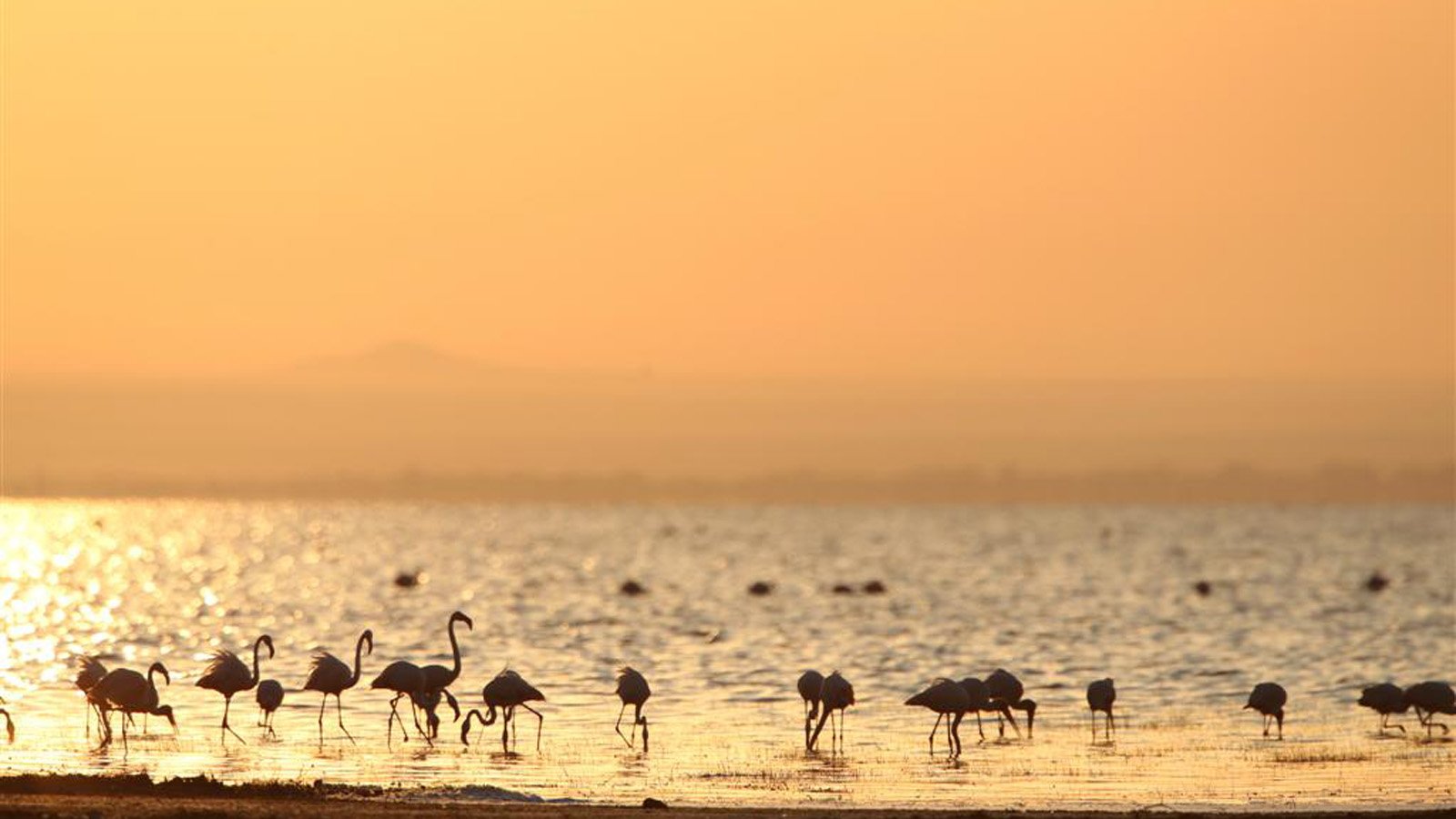
The lake attracts many species of birds and other wildlife. During periods of suitable water conditions, flamingos may gather along its shores, creating colourful scenes against the surrounding landscape.
The lake is also important for waterbirds, while the nearby wetlands and shoreline provide feeding areas for different species. The combination of water, vegetation, and the Rift Valley escarpment makes the lake one of the most scenic parts of the park.
Groundwater Forest
The groundwater forest is one of the most distinctive habitats in Lake Manyara National Park. Unlike areas that depend mainly on seasonal rainfall, this forest is supported by underground water sources, allowing it to remain relatively green throughout much of the year.
Tall trees create a cool and shaded environment that is especially attractive to elephants, baboons, monkeys, birds, and other forest species. Driving through the forest provides a completely different experience from exploring the open savannah.
Rift Valley Escarpment
The Great Rift Valley escarpment forms a dramatic backdrop to Lake Manyara National Park. The steep wall rises above the park and provides impressive views across the lake, forests, and surrounding plains.
The escarpment is particularly beautiful in the early morning and late afternoon when changing light creates different colours and shadows across the landscape. It also helps create the varied elevations and habitats that make Lake Manyara so biologically diverse.
Hippo Pool
The hippo areas of Lake Manyara provide visitors with opportunities to observe these large semi-aquatic animals in their natural environment. Hippos spend much of the day in water to protect themselves from the heat before coming onto land to feed.
The surrounding wetland areas also attract numerous waterbirds. Depending on the season and water levels, visitors may see hippos together with birds such as herons, egrets, storks, and other wetland species.
Birdlife in Lake Manyara National Park
Lake Manyara is one of the important bird-watching destinations in northern Tanzania. The park’s combination of lake, wetlands, groundwater forest, woodland, and grassland provides habitats for a large variety of bird species.
Birds that may be seen include flamingos, pelicans, storks, herons, egrets, hornbills, kingfishers, bee-eaters, weavers, guinea fowl, rollers, and different birds of prey.
The wet season is particularly attractive for bird watchers because migratory species arrive from other parts of Africa and beyond. During this period, the park becomes greener and bird activity increases around the lake, forests, and wetlands
Top Things to Do in Lake Manyara National Park
Game Drive
Game drives are the main way to explore Lake Manyara National Park. Safari vehicles follow established routes through the forest, woodland, grassland, and areas close to the lake.
A game drive can provide opportunities to see elephants moving through the forest, giraffes feeding in open areas, zebras and wildebeests grazing, buffaloes resting in the grass, and hippos gathered near water.
Visitors can also search for predators such as lions, leopards, and hyenas. The tree-climbing lions are one of the main wildlife highlights that visitors hope to encounter during a game drive.
Bird Watching
Bird watching is an important activity in Lake Manyara because of the park’s variety of habitats. The lake and wetlands are particularly attractive to waterbirds, while the forest and woodland support many smaller species.
Early morning is an excellent time for bird watching because birds are active and the cooler conditions make it comfortable to explore. Visitors with an interest in photography can also enjoy opportunities to capture birds against the lake, forest, and escarpment scenery.
Guided Nature Walk
A guided nature walk offers a more personal way to experience Lake Manyara. Instead of travelling through the park by vehicle, visitors can explore selected areas on foot with an experienced guide.
During a walk, the focus is often on smaller details such as animal tracks, insects, plants, trees, birds, and signs of wildlife activity. The experience also allows visitors to appreciate the sounds, smells, and textures of the natural environment more closely.
Canopy Walkway
The Lake Manyara Treetop Walkway provides visitors with an elevated experience through the forest canopy. The walkway consists of suspended bridges and platforms that allow visitors to explore the forest from above.
From the elevated position, visitors can observe trees, birds, insects, and other aspects of the forest that are difficult to appreciate from ground level. The experience also provides attractive views of the surrounding landscape and adds another dimension to a traditional safari.
Canoeing
Canoeing can offer a different way to experience Lake Manyara when conditions and water levels permit. Travelling across the water provides a quiet perspective of the lake and surrounding landscapes.
From the canoe, visitors may observe waterbirds and enjoy views of the Rift Valley escarpment and shoreline. Availability depends on seasonal water conditions and local regulations.
Night Game Drive
A night game drive offers an opportunity to discover a different side of Lake Manyara after sunset. As daylight fades, nocturnal animals become active and the sounds of the park change.
With an authorized guide, visitors can search for nocturnal species and observe animal behaviour that is rarely seen during daytime game drives. The experience also provides a chance to appreciate the atmosphere of the park under the night sky.
Cultural Experiences
Lake Manyara can be combined with cultural experiences in the surrounding communities. The nearby Mto wa Mbu area is known for its cultural diversity and provides opportunities to learn about local traditions and everyday life.
Visitors may participate in activities such as village walks, traditional food experiences, local crafts, farming activities, music, and cultural performances. These experiences complement the wildlife activities and provide a broader understanding of the people living around the park.
Best Time to Visit Lake Manyara National Park
Lake Manyara National Park can be visited throughout the year, but different seasons provide different experiences.
The dry season from June to October is generally favourable for wildlife viewing. During this period, vegetation becomes less dense and animals are often easier to spot in open areas and around remaining water sources.
The green season from November to May transforms the park into a lush and colourful landscape. This is a particularly attractive period for bird watching because migratory birds are present and resident species are active.
The wet season also brings fresh vegetation, flowing water, and beautiful scenery. However, the condition and size of Lake Manyara can change depending on rainfall, so the appearance of the lake varies throughout the year.
How to Get to Lake Manyara National Park
Lake Manyara is one of the most accessible parks in northern Tanzania and can easily be included in a safari itinerary.
By Road
The park is approximately 120 kilometres from Arusha and can normally be reached within a few hours by road. The route passes through the northern Tanzania countryside before reaching the park near the town of Mto wa Mbu.
Lake Manyara is conveniently located for combining with other major safari destinations. A typical itinerary may include Tarangire, Lake Manyara, Ngorongoro Crater, and Serengeti.
By Air
Visitors can also reach the Lake Manyara area by air using nearby airstrips and then continue to the park by safari vehicle.
Flying can be useful for travellers with limited time or those combining Lake Manyara with other destinations such as Serengeti, Zanzibar, or other safari areas.
Where to Stay in Lake Manyara National Park
There are several accommodation options around Lake Manyara and in nearby areas such as Mto wa Mbu and Karatu. Visitors can choose from luxury lodges, mid-range lodges, tented camps, guesthouses, and campsites.
Staying close to the park allows visitors to begin game drives early and spend more time exploring the different habitats. Accommodation in Karatu can also be convenient for travellers combining Lake Manyara with Ngorongoro Crater.
For visitors who prefer a cultural experience, staying around Mto wa Mbu provides easy access to local communities and cultural activities in addition to wildlife excursions.
Why Visit Lake Manyara National Park?
Lake Manyara National Park offers a compact but remarkably diverse safari experience. Within a relatively small area, visitors can experience groundwater forests, open grasslands, woodland, wetlands, the shores of Lake Manyara, and the dramatic Great Rift Valley escarpment.
The park is particularly appealing for its tree-climbing lions, elephants, rich birdlife, hippos, monkeys, and beautiful scenery. Beyond traditional game drives, visitors can enjoy bird watching, nature walks, canopy experiences, canoeing, cultural activities, and other outdoor experiences.
Its convenient location also makes Lake Manyara an excellent addition to a northern Tanzania safari. Combined with Tarangire National Park, Ngorongoro Crater, and Serengeti National Park, it helps create a varied journey through some of Tanzania’s most remarkable wildlife landscapes.
