
Let’s Explore
Nyerere National Park
Nyerere National Park
Nyerere National Park is one of Tanzania’s largest national parks, located in the southern part of the country. It is known for its vast wilderness, diverse wildlife, open grasslands, woodlands, lakes and the Rufiji River, which plays an important role in supporting the park’s ecosystem. The park offers a different safari experience from northern Tanzania, with expansive landscapes and opportunities to explore nature away from some of the country’s busier safari destinations.
The park is home to elephants, lions, giraffes, buffaloes, zebras, wildebeest, hippos, crocodiles and many other animals. It is also an important habitat for the endangered African wild dog. Visitors can enjoy game drives, boat safaris, guided walking safaris and birdwatching. These activities make Nyerere National Park an excellent destination for travellers seeking diverse wildlife and a memorable safari experience in southern Tanzania.
Attractions in Nyerere National Park
Rufiji River
The Rufiji River is one of the main attractions in Nyerere National Park and an essential part of its ecosystem. The river flows through a landscape of floodplains, channels and lakes, providing water for wildlife throughout the year. Its banks attract elephants, buffaloes, hippos and crocodiles, while numerous bird species inhabit the surrounding vegetation.
Boat safaris along the Rufiji River offer a distinctive way to explore the park. Visitors can observe wildlife from the water, watch birds along the riverbanks and enjoy the scenery of the surrounding wilderness. The combination of water, vegetation and wildlife makes the river one of the most memorable features of a visit to Nyerere.
Lake Tagalala
Lake Tagalala is a notable water feature within the Nyerere wilderness. Its waters attract hippos, crocodiles and a variety of waterbirds, particularly during the dry season when wildlife depends on available water sources. The surrounding vegetation and open banks create an attractive setting for wildlife observation and photography.
The lake also contributes to the diversity of habitats found within the park. Depending on the safari itinerary and local conditions, visitors may explore the surrounding area as part of a guided wildlife excursion.
Stiegler’s Gorge
Stiegler’s Gorge is a striking geographical feature along the Rufiji River, where the water passes through a narrow channel surrounded by steep rocky sides. The gorge is known for its dramatic scenery and natural landscape. The wider area has also undergone development associated with the Julius Nyerere Hydropower Project, so access and viewing opportunities depend on current regulations and conditions.
Rufiji Floodplains
The Rufiji floodplains are important wildlife habitats within Nyerere National Park. Seasonal flooding supports vegetation and creates feeding grounds for grazing animals. Elephants, buffaloes, giraffes and various antelope species move through these landscapes, while predators search for prey.
The combination of open plains, water channels and riverine vegetation gives the park a distinctive appearance. These floodplains are particularly interesting during game drives, when visitors can observe wildlife in different habitats and appreciate the relationship between seasonal water availability and animal movements.
African Wild Dogs
Nyerere National Park is an important refuge for the endangered African wild dog. These highly social carnivores live and hunt in packs, using cooperation and speed to pursue their prey. The park’s extensive woodland and open habitats provide space for their movements and survival.
Although sightings cannot be guaranteed, the possibility of encountering African wild dogs makes Nyerere particularly appealing to wildlife enthusiasts and photographers. Their presence also highlights the importance of protecting large natural habitats for endangered species.
Diverse Wildlife Habitats
Nyerere National Park contains a variety of habitats, including grasslands, woodland, riverine forests, wetlands and lakes. These environments support a rich diversity of wildlife, from large mammals to reptiles and smaller species.
Exploring the different landscapes during a safari provides opportunities to observe animal behaviour and understand how wildlife adapts to changing environmental conditions. The variety of habitats also contributes to the park’s appeal for nature lovers and photographers.
Wildlife in Nyerere National Park
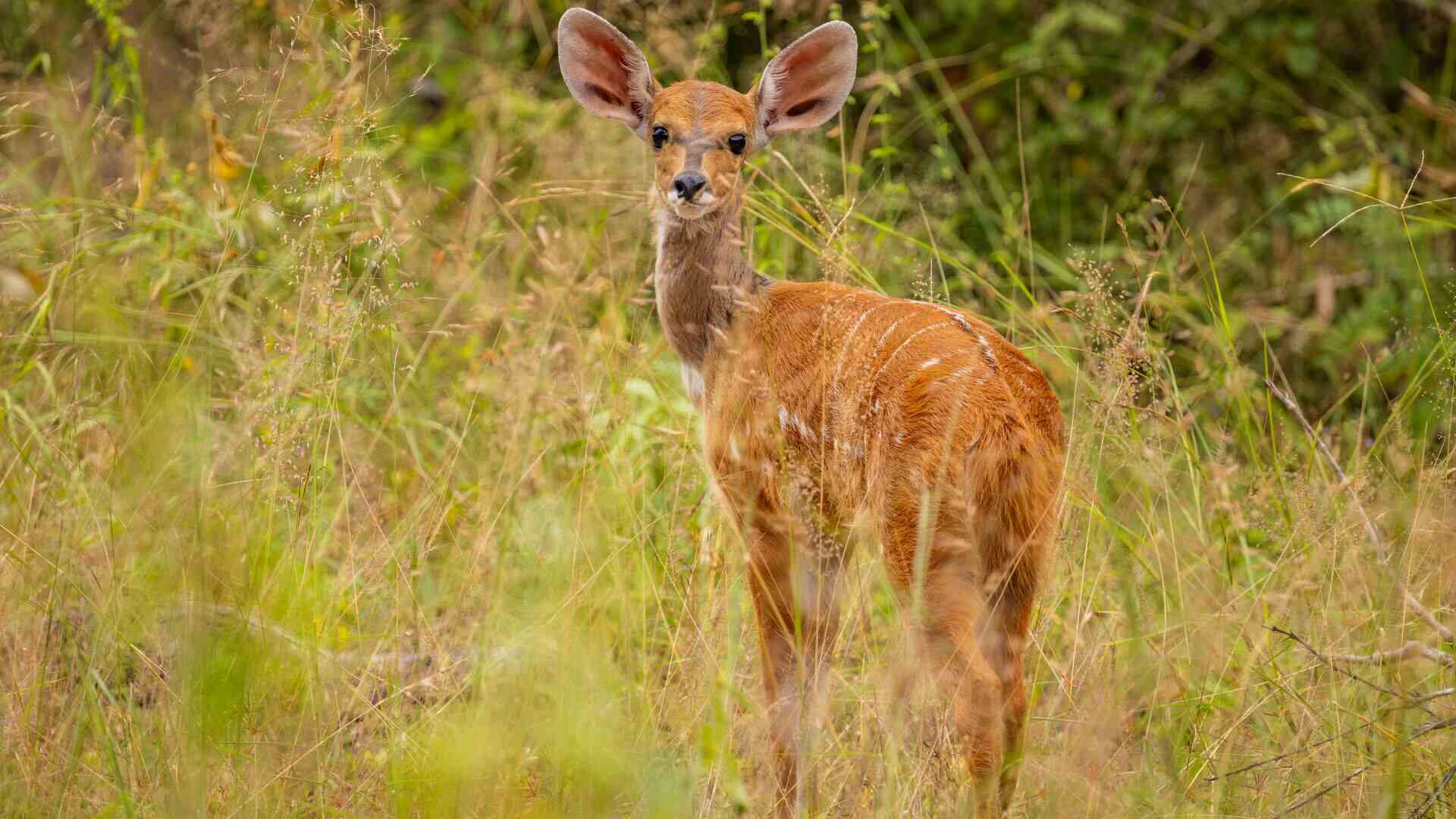
Nyerere National Park supports a remarkable variety of wildlife across its extensive grasslands, woodlands, floodplains and riverine habitats. Its large protected landscape provides important living space for many African mammals and predators.
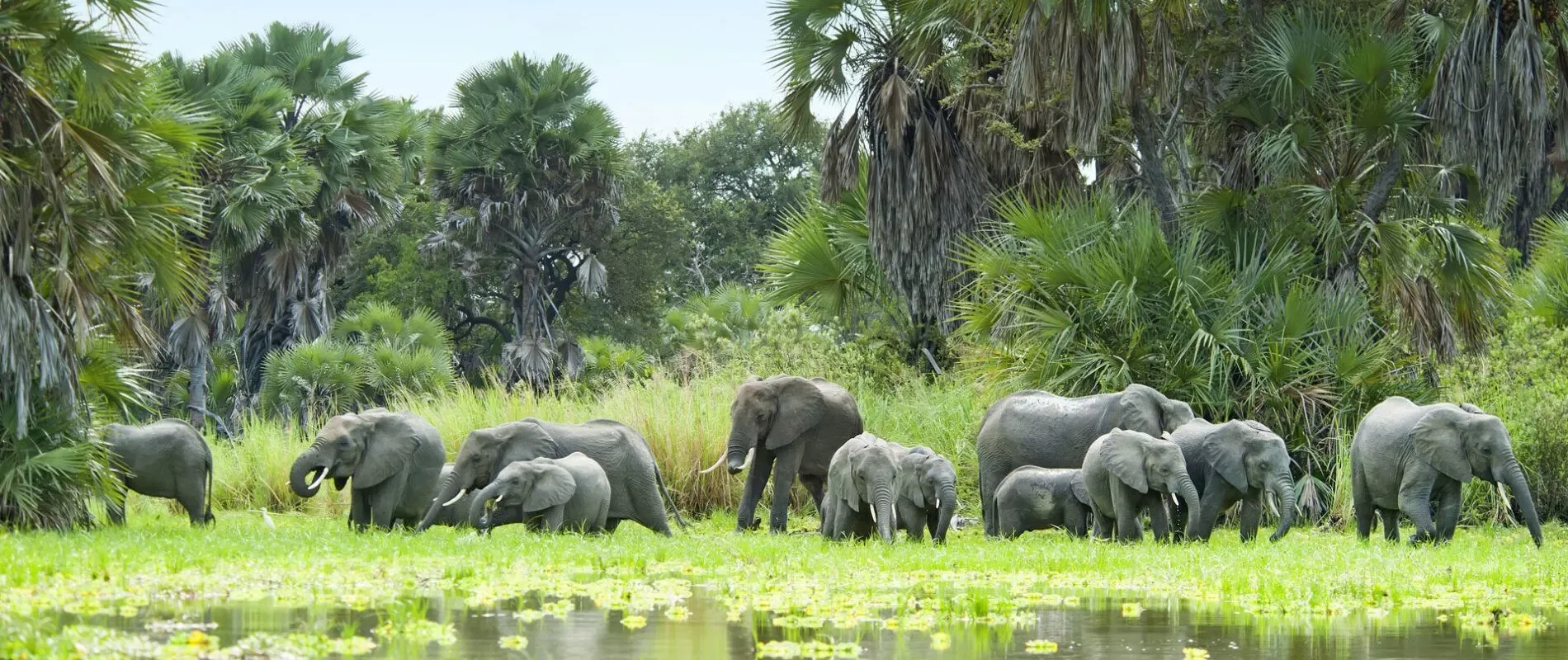
Elephants are among the most impressive animals found in the park and may be seen moving through woodland or gathering near rivers. Giraffes browse on trees, while zebras, wildebeest and buffaloes graze across open areas. Different antelope species, including impalas, waterbucks and eland, also inhabit the park.
Predators include lions, leopards, spotted hyenas and African wild dogs. The Rufiji River and associated water bodies support hippos and crocodiles, while the surrounding wetlands provide habitats for numerous bird species.
Wildlife sightings depend on the season, animal movements and the areas explored during a safari. Travelling with an experienced guide can help visitors discover different habitats and improve their opportunities to observe animals in their natural environment.
Birdlife in Nyerere National Park
Nyerere National Park is an excellent destination for birdwatching, with more than 430 bird species recorded. The Rufiji River, surrounding lakes, wetlands, woodlands and grasslands provide habitats for a wide range of resident and migratory birds.
Visitors may spot African fish eagles, kingfishers, bee-eaters, storks, herons and other waterbirds. Riverbanks and wetlands are particularly rewarding for birdwatching because birds gather around the water to feed and rest. Woodland areas also support a variety of colourful species.
Birdwatching can be combined with game drives, boat safaris and guided walks, allowing visitors to explore different habitats within the park. The wetter months can be especially attractive for bird enthusiasts because migratory birds may be present and the vegetation becomes greener.
Top Things to Do in Nyerere National Park
Game Drives
Game drives are one of the main ways to explore Nyerere National Park. Travelling through its extensive plains and woodland allows visitors to search for elephants, lions, giraffes, buffaloes, antelopes and other wildlife. Morning and late-afternoon drives provide opportunities to observe animal behaviour and enjoy the changing scenery.
An experienced safari guide can help identify wildlife, explain animal behaviour and select suitable routes according to current conditions. Game drives also provide opportunities to photograph the park’s diverse landscapes and wildlife.
Boat Safaris on the Rufiji River
Boat safaris offer a distinctive way to experience Nyerere National Park. Travelling along the Rufiji River allows visitors to observe hippos, crocodiles and birds from the water while watching for animals along the riverbanks.
Elephants and other mammals may visit the river to drink, creating opportunities for wildlife observation and photography. A boat safari also provides a relaxing way to appreciate the river’s scenery and discover the importance of water to the surrounding ecosystem.
Guided Walking Safaris
Guided walking safaris allow visitors to explore the natural environment on foot with an authorized guide or ranger. These walks provide opportunities to learn about animal tracks, plants, insects and other details that may be overlooked during a vehicle safari.
Walking through the wilderness offers a closer understanding of the natural environment and the relationships between wildlife and vegetation. Activities take place in designated areas and follow park safety regulations.
Birdwatching
Birdwatching is an enjoyable activity throughout Nyerere National Park. The river system and wetlands attract waterbirds, while the surrounding woodlands and grasslands support many other species.
Visitors can observe birds during boat trips, game drives and guided walks. The diversity of habitats makes the park particularly appealing to bird enthusiasts interested in discovering both common and less frequently seen species.
Wildlife Photography
Nyerere National Park provides excellent opportunities for wildlife and landscape photography. Elephants along riverbanks, hippos in the water, birds in the wetlands and herds crossing open plains create a variety of photographic subjects.
The park’s extensive landscapes also appeal to photographers looking to capture the natural beauty of southern Tanzania. Game drives and boat safaris offer different perspectives, allowing visitors to photograph wildlife in a range of settings.
Nature Observation
Beyond large mammals, Nyerere offers opportunities to appreciate its vegetation, water systems and changing landscapes. Visitors can observe how animals use the river, how birds occupy different habitats and how seasonal changes influence the surrounding environment.
These experiences provide a deeper appreciation of the park’s ecological importance and the need to protect Tanzania’s natural heritage.
Best Time to Visit Nyerere National Park
Nyerere National Park can be visited throughout the year, although seasonal changes influence wildlife viewing, scenery and accessibility.
June to October: The dry season is generally one of the best periods for wildlife viewing. Vegetation becomes less dense, and animals often gather around rivers and other available water sources. Game drives and boat safaris can be particularly rewarding during these months.
November to February: The landscape becomes greener as seasonal rains arrive. This period offers attractive scenery and opportunities for birdwatching, although wildlife may be more dispersed where water is widely available.
March to May: The long rains bring lush vegetation and seasonal changes to the river system. Birdlife can be rewarding, but heavy rainfall may affect road conditions and access to some areas.
For travellers whose main interest is spotting large mammals, the dry season is generally recommended. Visitors who prefer green landscapes and birdwatching may enjoy the wetter months. Before travelling, it is advisable to confirm seasonal road conditions and activity availability with your tour operator.
Where to Stay in Nyerere National Park
Nyerere National Park offers a range of accommodation options, including safari lodges, tented camps and campsites. These options cater to different budgets and travel preferences, allowing visitors to choose between a simple outdoor experience and a more comfortable safari stay.
Tented camps provide a close connection with the surrounding wilderness, while lodges offer additional facilities and comfortable accommodation. Some properties are situated near the Rufiji River, making it convenient to arrange boat safaris alongside game drives.
The best accommodation depends on your budget, preferred comfort level, length of stay and planned activities.
Booking in advance is recommended, especially during the dry season when wildlife viewing is popular. When choosing a place to stay, consider its location, included activities, transport arrangements and access to different parts of the park.
Why Visit Nyerere National Park?
Nyerere National Park offers a remarkable combination of wildlife, river scenery and diverse safari activities. Its extensive wilderness, African wild dogs, abundant birdlife and distinctive Rufiji River ecosystem make it one of the most appealing destinations in southern Tanzania.
Unlike safaris focused entirely on vehicle game drives, a visit to Nyerere can include exploring the river by boat and discovering the natural environment on guided walks in designated areas. These experiences provide different ways to appreciate the park’s wildlife and landscapes.
Its location also makes it suitable for itineraries starting or ending in Dar es Salaam and for longer journeys through southern Tanzania. Visitors can combine Nyerere with Mikumi National Park or other destinations to experience a wider range of wildlife habitats.
For travellers seeking diverse wildlife, scenic landscapes and a quieter safari atmosphere, Nyerere National Park offers an excellent opportunity to discover Tanzania’s natural heritage.
