Let’s Explore
Mkomazi National Park
Mkomazi National Park
Mkomazi National Park is a beautiful and less-visited wildlife destination in northeastern Tanzania, located between the Pare and Usambara mountain ranges. Covering about 3,200 square kilometres, the park forms part of the larger Tsavo ecosystem across the Tanzania-Kenya border. Its dry landscapes, open plains, rocky hills and acacia and bushland habitats provide an important home for a variety of wildlife.
Mkomazi is especially known for its conservation of endangered species, including the black rhinoceros and African wild dog. The park offers a different safari experience from the famous northern parks, with fewer visitors and a strong sense of wilderness. Its location also makes it a convenient addition to itineraries connecting northern Tanzania with the coast or with destinations around Kilimanjaro.
Attractions in Mkomazi National Park
Black Rhino Sanctuary
One of the most distinctive attractions in Mkomazi is its black rhino sanctuary. The sanctuary supports conservation efforts for the critically endangered black rhinoceros and provides visitors with an opportunity to learn about rhino protection.
Rhino viewing is a special experience within the park and normally requires advance arrangements. Seeing these powerful animals in a protected environment also provides insight into the importance of conservation work in Tanzania.
African Wild Dogs
Mkomazi is an important conservation area for African wild dogs, one of Africa’s most endangered carnivores. These highly social animals live and hunt in packs and are known for their speed, cooperation and distinctive coat patterns.
The park has also been involved in African wild dog conservation and breeding efforts. Although sightings in the wild cannot be guaranteed, the species adds considerable importance to Mkomazi’s wildlife experience.
Mkomazi Landscapes
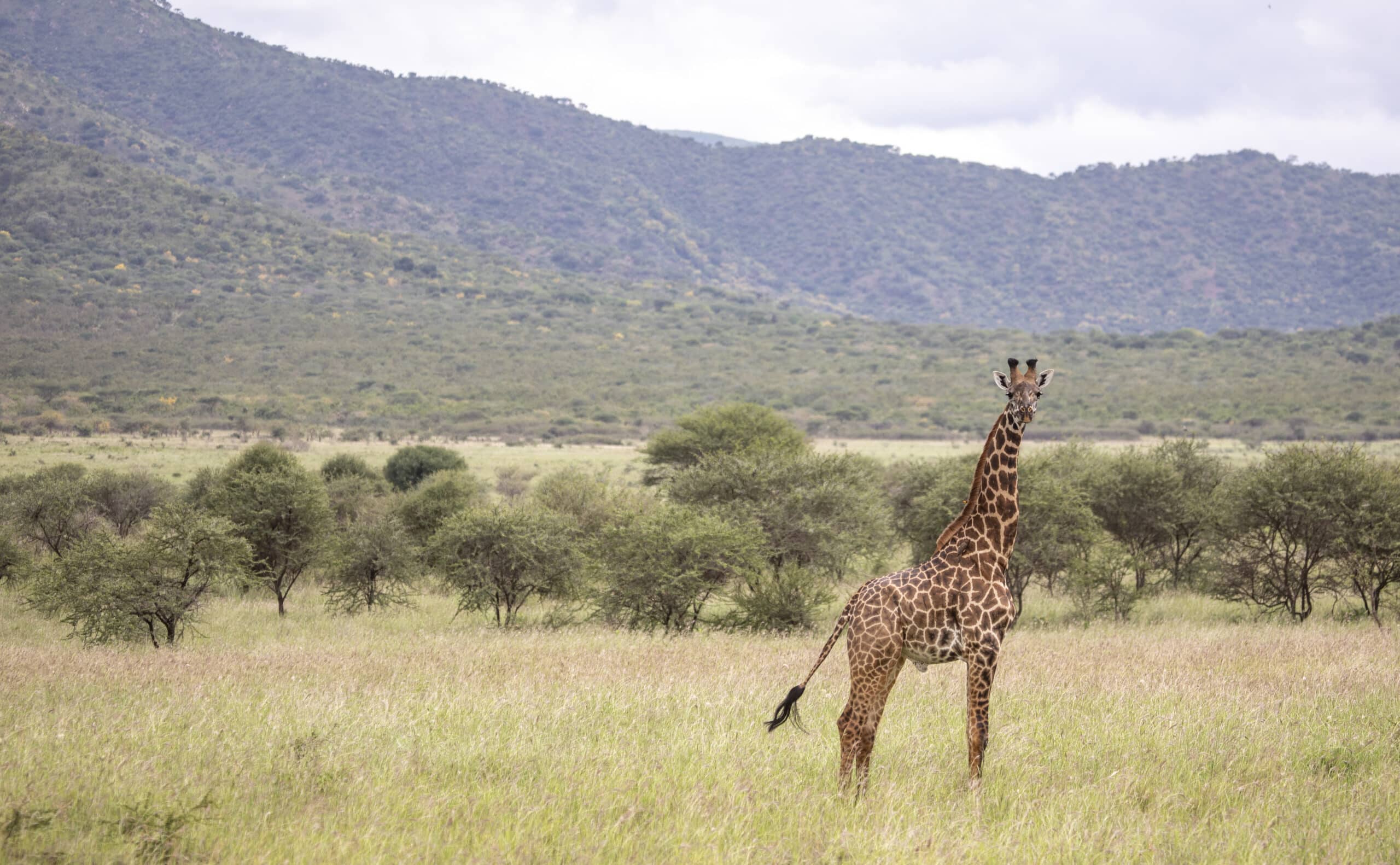
The park’s scenery is characterized by open grasslands, dry woodland, bushland, rocky hills and scattered trees. During the rainy season, the landscape becomes greener and more attractive, while the dry season creates a more open environment where wildlife can be easier to spot.
The distant mountain ranges provide a striking background to the park, creating excellent opportunities for landscape photography and scenic game drives.
Umba River
The Umba River and other seasonal water sources are important parts of the Mkomazi ecosystem. Water attracts wildlife and supports vegetation in an otherwise dry environment.
Riverine areas can also provide good opportunities for bird watching, especially when combined with a game drive or walking safari.
Pare and Usambara Mountain Views
Mkomazi is surrounded by some of northeastern Tanzania’s most impressive mountain landscapes. The Pare Mountains lie close to the western side of the park, while the Usambara Mountains are found farther to the east.
The contrast between dry savannah, woodland and mountain scenery gives Mkomazi a distinctive appearance and provides excellent opportunities for photography.
Wildlife in Mkomazi National Park
Mkomazi supports a wide variety of wildlife adapted to its relatively dry environment. Visitors may encounter elephants, giraffes, zebras, buffaloes, wildebeest, hartebeest, impalas and other antelope species during game drives.
Predators include lions, leopards, cheetahs and spotted hyenas, although sightings can be less predictable than in some of Tanzania’s larger and more densely populated wildlife areas. African wild dogs are one of the park’s most important species and a major reason for visiting.
Mkomazi is also home to several less commonly seen antelopes and dry-country species. The park’s combination of wildlife, conservation projects and relatively low visitor numbers makes it an interesting destination for travellers looking for a quieter safari.
Birdlife in Mkomazi National Park
Mkomazi is an excellent destination for bird watching, with more than 450 bird species recorded. Its combination of grasslands, bushland, woodland, rocky areas and seasonal water sources provides habitats for many different birds.
Visitors can look for colourful species, birds of prey, hornbills, rollers, bee-eaters and other savannah birds. Bird watching can be combined with game drives and guided walks, giving visitors opportunities to explore different habitats.
The wetter months are particularly attractive for bird lovers because the vegetation becomes greener and migratory birds may be present.
Top Things to Do in Mkomazi National Park
Game Drives
Game drives are the main way to explore Mkomazi National Park. The open areas and woodland provide opportunities to look for elephants, giraffes, zebras, buffaloes, antelopes and predators.
A game drive also allows visitors to experience the changing landscapes of the park, from open grasslands and dry bushland to areas near rivers and mountain foothills.
Rhino Viewing
Rhino viewing is one of Mkomazi’s most distinctive experiences. The black rhino sanctuary provides a controlled environment where visitors can observe these endangered animals while learning about conservation efforts.
Because this is a special activity, arrangements should be made in advance through the appropriate park or tour operator channels.
Guided Walking Safaris
Walking provides a different way to experience Mkomazi’s natural environment. Accompanied by a trained guide or ranger, visitors can explore the landscape on foot while learning about plants, animal tracks, insects, birds and other signs of wildlife.
Walking is especially rewarding for travellers interested in understanding the smaller details of the ecosystem rather than focusing only on large animals.
Bird Watching
With its diverse birdlife, Mkomazi is a rewarding destination for bird enthusiasts. Game drives and walking safaris can both be used for bird watching.
The different habitats support both resident and seasonal species, while riverine areas and other water sources can attract additional birds.
Photography
Mkomazi provides excellent opportunities for wildlife and landscape photography. Elephants against mountain backdrops, giraffes moving through open woodland, dry riverbeds and distinctive African landscapes create a wide variety of photographic subjects.
The park’s quieter atmosphere can also give photographers more time to enjoy the surroundings without the heavy vehicle traffic found in some of the more popular safari destinations.
Hiking and Nature Walks
The park offers opportunities for walking and hill hiking in designated areas. These activities allow visitors to experience the terrain more closely and enjoy views across the surrounding wilderness.
Hiking is particularly appealing to travellers who want to combine wildlife viewing with an active outdoor experience.
Camping
Camping allows visitors to experience Mkomazi’s wilderness more closely. Spending a night in the park gives travellers an opportunity to enjoy the sounds of nature and the peaceful atmosphere of the surrounding landscape.
Camping options include designated public and special campsites, while accommodation outside the park is also available in nearby areas such as Same.
Best Time to Visit Mkomazi National Park
Mkomazi can be visited throughout the year, but the dry season from June to September is generally a good period for wildlife viewing. During these months, vegetation becomes less dense and animals are more likely to gather around available water sources.
The months from October to February are warmer and can still provide good wildlife experiences. The short rains normally occur around October and November, bringing fresh vegetation to the landscape.
The long rains generally occur from March to May. During this period, the park becomes greener and birdlife can be particularly rewarding. Some roads and tracks may become more challenging after heavy rainfall, so travel arrangements should take seasonal conditions into account.
How to Get to Mkomazi National Park
By Road
Mkomazi is easily accessible by road from northern Tanzania. The main Zange entrance is only a short distance from Same town, which lies along the main highway connecting Arusha and Dar es Salaam.
The park is approximately 142 kilometres from Kilimanjaro International Airport and about 202 kilometres from Arusha. Its location makes it possible to combine Mkomazi with Kilimanjaro, Arusha, Moshi, the Pare Mountains or a longer journey towards the Tanzanian coast.
By Air
Charter flights can operate to Kisima Airstrip, located inside the park near the rhino sanctuary. Flying can be a convenient option for travellers who want to reduce road travel time or combine Mkomazi with other safari destinations.
Flight arrangements depend on the safari itinerary and should be organized in advance.
Where to Stay in Mkomazi National Park
Visitors can choose from campsites and tented accommodation in or near the park, while additional hotels and guesthouses are available in nearby towns such as Same.
Camping inside the park is a good option for travellers who want a closer connection with nature. Tented accommodation and nearby lodges provide more comfort while still allowing easy access to the park.
The choice of accommodation can depend on the length of the visit, safari style and whether Mkomazi is being visited as a short safari stop or as part of a longer northeastern Tanzania itinerary.
Why Visit Mkomazi National Park?
Mkomazi National Park offers a quieter and more remote safari experience while providing access to some of Tanzania’s important conservation areas. Its black rhino sanctuary, African wild dogs, diverse wildlife, birdlife and scenic mountain surroundings make it particularly interesting for nature and conservation enthusiasts.
Its convenient location near Kilimanjaro, Arusha and the main Arusha-Dar es Salaam highway also makes Mkomazi easy to include in a wider Tanzania itinerary. For travellers looking beyond the country’s most famous safari parks, Mkomazi provides an opportunity to experience a less crowded landscape and discover an important part of Tanzania’s wildlife heritage.
