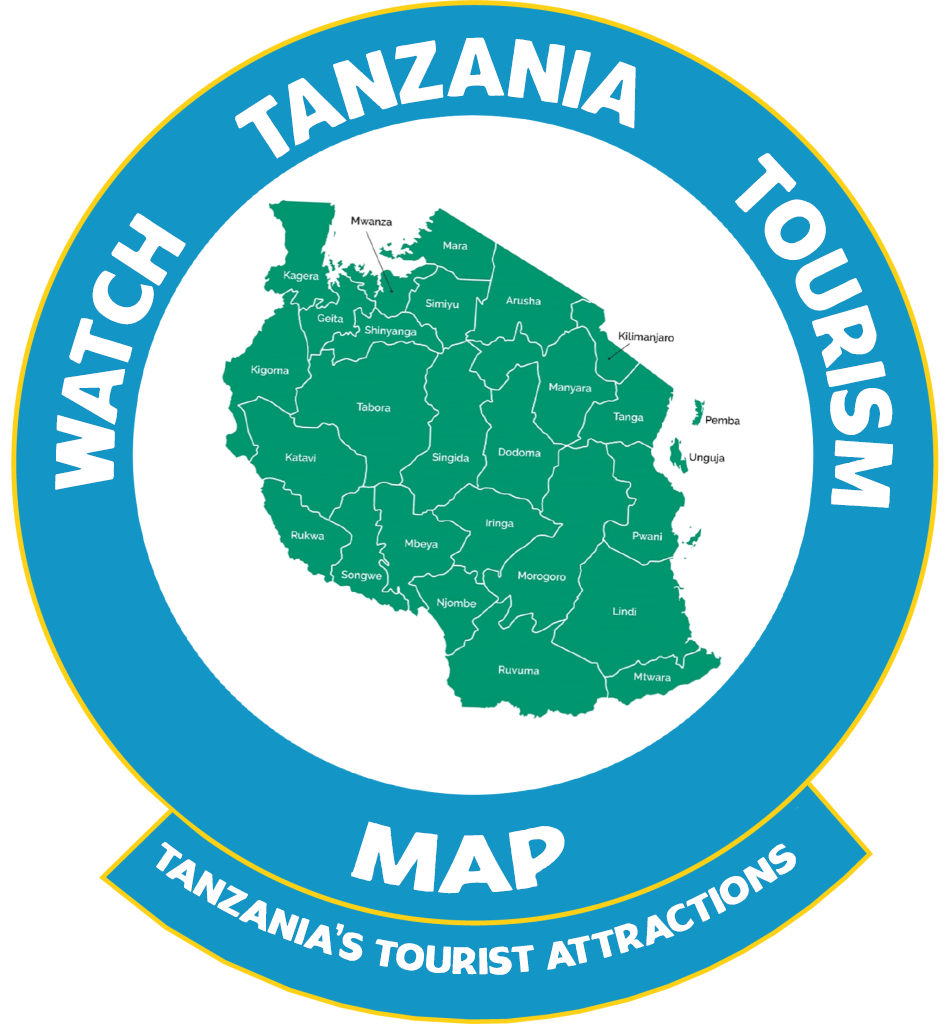
Tanzania is known for its extensive wildlife habitats, diverse landscapes, and large protected areas. From the woodlands of southern Tanzania to the open plains of the north and the remote wilderness of the west, the country offers a variety of environments that support rich wildlife populations and diverse birdlife.
Tanzania hunting safaris are organized through designated hunting areas and licensed operators, subject to applicable wildlife conservation laws and regulations. These experiences take place in selected areas where authorized activities are managed under established rules, permits, and wildlife management requirements.
Beyond hunting, visitors can discover Tanzania’s remarkable natural heritage, including Serengeti National Park, Mount Kilimanjaro, the Ngorongoro Conservation Area, and the historic island of Zanzibar.
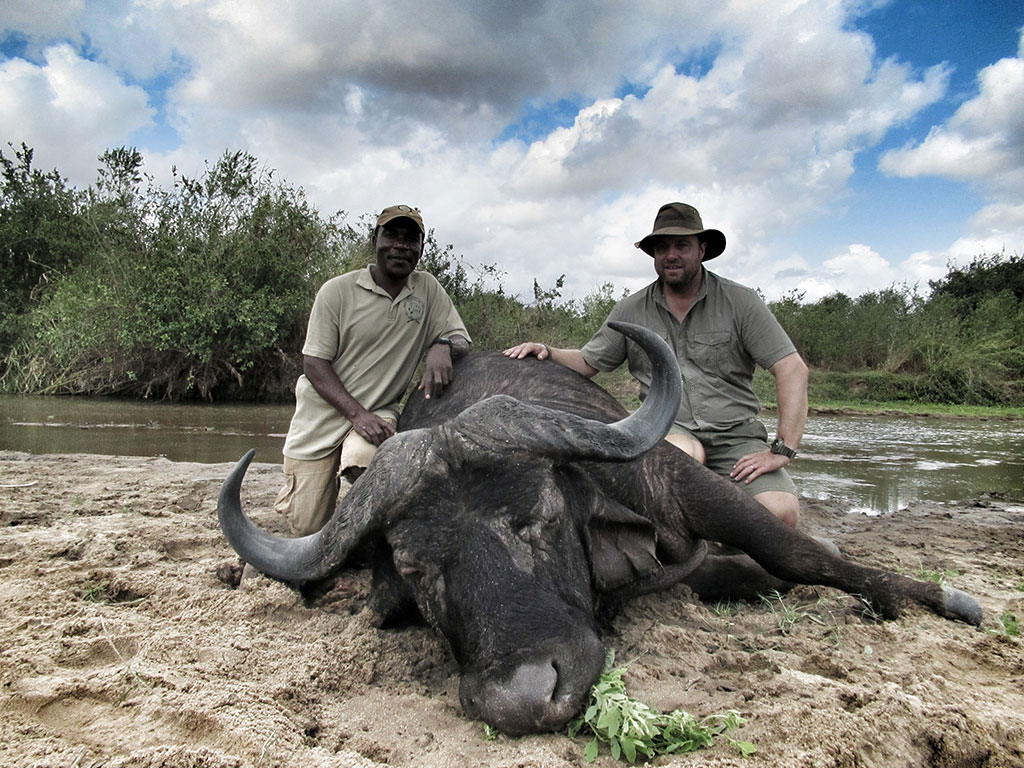
Hunting Season in Tanzania
The traditional hunting season described in the source information runs from July 1 to December 31, mainly during the drier months of the year. Some rainfall may occur in November and December, depending on the location and seasonal weather conditions.
Hunting dates, permitted activities, and species availability are subject to current government regulations, licensing requirements, and the specific hunting area. Travelers should confirm the applicable season with a licensed hunting operator before making arrangements.
Tanzania Hunting Safari Packages
Hunting safaris in Tanzania are organized into packages based on the duration of the safari, the designated hunting area, and the species permitted under the applicable license. Traditional package categories include Regular, Major, and Premium safaris.
Regular Hunting Safari
A Regular Safari is designed around a selected hunting period and the species available under the relevant package. The itinerary, hunting area, and applicable fees depend on the operator’s arrangements and current regulations.
Major Hunting Safari
A Major Safari provides a different package structure with its own authorized species and applicable fees. The final arrangements depend on the number of hunting days, the designated concession, and the permits issued.
Premium Hunting Safari
A Premium Safari is a package category with specific species allocations and requirements. Availability, permitted species, fees, and other conditions must be confirmed with the licensed operator.
Inter-Company Hunting Safaris
Where officially permitted, inter-company arrangements may allow hunters to move between designated hunting areas operated by different licensed companies. Such arrangements depend on authorization, applicable fees, permits, and the conditions established by the relevant authorities.
Wildlife and Hunting Areas in Tanzania
Tanzania has a wide range of habitats, including open savannah, miombo woodland, river systems, wetlands, and woodland plains. These environments support different wildlife populations, making the characteristics of each hunting area an important consideration when planning a safari.
Southern Tanzania
Southern Tanzania is known for extensive miombo woodlands and areas with permanent water sources. Depending on the location and applicable regulations, its wildlife habitats support species such as buffalo, elephant, lion, leopard, eland, sable antelope, kudu, waterbuck, impala, and various other mammals.
The region is suited to travelers interested in remote wilderness landscapes and the natural diversity of Tanzania’s southern wildlife areas.
Northern Tanzania
Northern Tanzania features open plains, semi-arid landscapes, and woodland habitats. The wider region is associated with diverse antelope species, including Grant’s gazelle, Thomson’s gazelle, gerenuk, lesser kudu, and other wildlife adapted to these environments.
The northern safari circuit is also home to internationally recognized attractions such as Serengeti National Park and the Ngorongoro Conservation Area.
Western Tanzania
Western Tanzania contains extensive wilderness areas, woodland habitats, wetlands, and river systems. Wildlife found in different parts of the region includes buffalo, eland, elephant, hippopotamus, waterbuck, reedbuck, zebra, and several antelope species.
The region is also important for birdlife and offers opportunities to appreciate some of Tanzania’s more remote natural landscapes.
Wildlife presence and the species legally available for hunting vary by location and are subject to current permits, quotas, and conservation regulations.
Responsible Hunting and Wildlife Conservation
Wildlife management in Tanzania operates within a legal framework intended to regulate wildlife use and protect natural resources. Hunting activities must be conducted by appropriately licensed operators and professional hunters in accordance with the applicable laws, permits, quotas, and seasonal restrictions.
Responsible wildlife management also requires attention to habitat protection, lawful species selection, and the long-term sustainability of wildlife populations. Any conservation benefits, revenue allocations, and community contributions depend on the relevant government framework and the arrangements applicable to each hunting area.
Before booking a hunting safari, clients should request clear information about the operator’s licenses, the authorized hunting block, applicable permits, and the current conservation and community-benefit arrangements.
Wing-Shooting Safaris in Tanzania
Wing-shooting safaris focus on authorized bird species in designated areas. Depending on the location, season, and applicable permissions, potential species may include guinea fowl, francolin, spurfowl, quail, sandgrouse, pigeons, doves, ducks, geese, and snipe.
These safaris require compliance with the relevant hunting licenses, bird-specific quotas, and daily bag limits. The number of participants per professional hunter and the fees payable should be confirmed with the licensed operator before travel.
Bird availability varies according to habitat, weather, and seasonal conditions. Travelers should obtain an up-to-date list of permitted species and current bag limits before confirming a wing-shooting itinerary.
Firearms, Ammunition, and Travel Requirements
Travelers planning a hunting safari should arrange all firearm and ammunition requirements well in advance. Importation, temporary possession, transportation, and use of firearms in Tanzania are subject to applicable laws and permit conditions.
Before departure, consult your licensed hunting operator and the relevant Tanzanian authorities regarding:
- Firearm import permits and declaration procedures.
- Permitted firearm types, calibers, and ammunition quantities.
- Transportation and storage requirements.
- Any additional documentation required for your itinerary.
Do not assume that firearm allowances or caliber requirements published in older information remain valid. Confirm all requirements before purchasing tickets or transporting equipment.
Trophy Documentation and Export
Exporting hunting trophies from Tanzania requires compliance with applicable wildlife export laws and documentation procedures. Depending on the species and destination country, documentation may include government-issued export certificates and permits under the Convention on International Trade in Endangered Species of Wild Fauna and Flora (CITES).
Import requirements differ between destination countries and may involve additional permits or restrictions. Travelers should consult their hunting operator, the relevant Tanzanian authorities, and a qualified taxidermist or wildlife-export specialist before the safari.
All required approvals should be confirmed before any trophy is transported or exported.
Health and Travel Preparation
Travelers should review Tanzania’s current entry, vaccination, and health requirements before departure. Depending on the traveler’s country of origin, recent travel history, and destination, specific vaccination certificates may be required.
It is advisable to consult a qualified travel-health professional and check the latest official travel guidance before the trip. Visitors should also carry suitable personal medication, travel insurance, and the documents required for their safari arrangements.
Language and Local Communication
English is widely spoken in Tanzania’s tourism industry, particularly among professional guides and safari operators. Swahili is the national language and is commonly used throughout the country.
Learning a few basic Swahili expressions can make everyday interactions more enjoyable and help visitors connect with local communities during their travels.
Plan Your Tanzania Hunting Safari
Planning a hunting safari requires careful coordination of travel dates, the authorized hunting area, permits, accommodation, transport, and applicable fees. Working with a properly licensed operator helps ensure that arrangements are made in accordance with current regulations.
