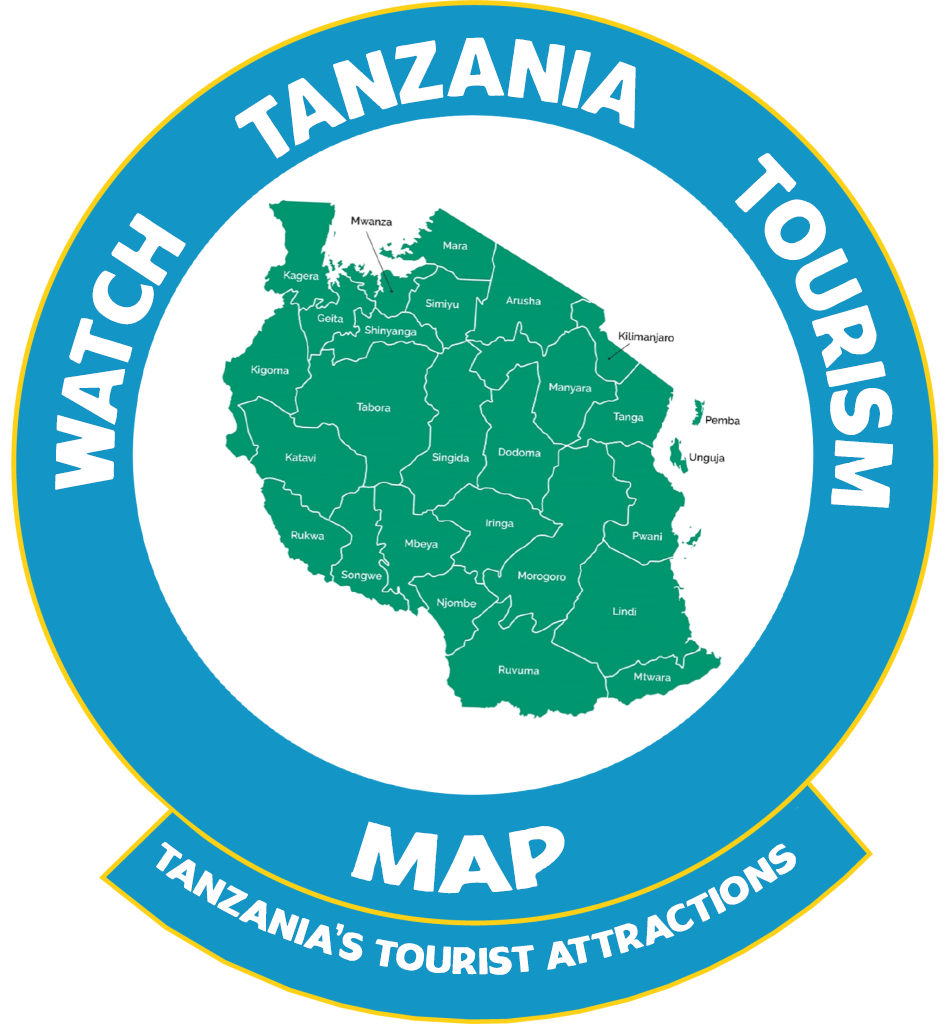
Tanzania is rich in natural resources, including diverse wildlife, coral reefs, mangrove forests, and marine ecosystems. Its coastline and islands support a wide variety of marine species while providing livelihoods for local communities through fishing and tourism.
The Marine Parks and Reserves Unit was established under the Marine Parks and Reserves Act No. 29 of 1994 to protect and manage Tanzania’s marine protected areas for sustainable use.
Attractions in Marine Parks and Reserves
-
Coral reefs and colorful tropical fish
-
Sea turtles and dolphins
-
Whale sharks and seasonal whales
-
Mangrove forests and seagrass beds
-
Sandy beaches, sandbanks, and small islands
-
Historic ruins and coastal culture
-
Marine birds and other coastal wildlife
Activities in Marine Parks and Reserves
-
Snorkeling and scuba diving
-
Swimming and sunbathing
-
Boat trips and kayaking
-
Dolphin and whale watching
-
Guided nature walks
-
Birdwatching and photography
-
Exploring historical sites
-
Sport fishing where permitted
Major Marine Parks and Conservation Areas in Tanzania
1. Mafia Island Marine Park
Mafia Island, located 120 km south of Dar es Salaam, is surrounded by some of the richest reefs in the world, with over 50 types of corals and 400 species of fish identified so far. Mafia’s best diving is at depths less than 30 m where you can see most kinds of tropical marine habitats, including exposed fringing reefs, rock walls, soft coral and algae dominated reefs. Large predatory fish and turtles are common and mostly unaffected by approaching divers. Chole Bay, Mafia’s deep – water anchorage, is part of the protected Marine Park. The diving here is amongst the most spectacular in the world and includes colorful coral gardens, walls at various levels and many shelves and coral heads.
FAST FACTS (MAFIA ISLAND MARINE PARK AND ITS 3 RESERVES
The largest Marine Park extends 882 Sq. km – in Mafia district, Pwani Region, 75% is below the water mark, lies 74.5 miles (120 km) South – east of Dar es Salaam. It was declared in 1995 to be the Marine Park. It hosts an outstanding mosaic of tropical marine habitats including coral reefs, sea grass beds, mangroves and intertidal.
Accessibility (Getting To)
Accessible by flight from Dar es Salaam International Airport, 120 km south – East of Dar es Salaam. Boats are available at Utende. Air transport is highly recommended. Going around MIMP requires hiring a boat from Kilindoni at Mafia.
Tourism Attractions
- Fruits bats (only found in Mafia, Seychelles and Comoro
- The Kua and Kisimani submerged ruins
- Cultural artifacts of the ancient world 600 B.C
- Pristine, clean sand beaches with clear water
- Migratory Humpback and Sperm Whales
- Dolphins
- Pristine habitats of coral reefs with greater diversity (coral gardens)
- Two species of sea turtles, green turtles (Chelonia mydas), and Hawks bill turtle (Eratmochelys imbricate).
- The 13th C Historic Ruins
- Whale Sharks (world largest fish).
Tourism Activities
- Swimming with the world largest fish
- Snorkeling
- Sunbathing
- Scuba diving
- Cruising
- Wind surfing
- Whale watching
- Night camping
- Visiting historical ruins & mingling with the local community culture.
- Biking in the local village
- Watching dolphins
- Sport fishing
Nearby Hotels
- Kinasi Lodge, Pole Pole Hotel, Chole Mjini Lodge, Mafia Lodge Hotel, Shamba Kilole Hotel.
2. Tanga Coelacanth Marine Park
This park was declared in 2009. The 552 Sq.km Park is found in Tanga Region, extending from Kigombe 35 km south of Tanga City to North of Tanga port. Named after the world oldest fish Coelacanth (Latimeria chalumnae) available in the park. The 4 reserves extends from North of Tanga City to the boundary of Tanzania and Kenya and Maziwe of Southern Tanga.
Accessibility (Getting To)
- Boats to reach TMRS are available at Tanga Yacht Club, while Maziwe is located 54 km south of Tanga and boats available at Pangani ferry and Ushongo village 16 km from Pangani where beach lodges for Marine excursionists are located. Boats to Zanzibar are available at this village.
Tourism Attractions
- Maziwe Sand Bar with crystal clear waters, over 200 fish species and 35 genera of corals (soft and hard)
- The park is home for the world oldest fish (Coelacanth)
- The Sand bar of Niule (Nyuli)
- Tongoni Ruins of 15th century mosque and 40 tombs
- Toten Island (Island of the dead) quarantine Island, ruins of mosque, graves, 500 years old well.
- Yambe Island with hidden pillar tomb, Coral gardens.
- Dense mangroves, coral gardens of Tanga Marine Reserve, and areas where dugong’s small population is believed to exist.
Tourism Activities
- Snorkeling
- Sunbathing
- Scuba diving
- Cruising
- Wind surfing
- Night camping
- Visiting historical ruins
- Sport fishing
- Biking in the local village
- Walking in Islands nature trails
Nearby Hotels
- Capricorn Beach Cottages, Peponi Beach Resort, Tang Beach Resort, TICC, Mkonge Hotel, Royal Naivera Hotel, Tanga Wonders Adventure Hotel, Illya Tours and Safaris Hotel.
3. Mnazi Bay–Ruvuma Estuary Marine Park
Located in southern Tanzania near the Mozambique border, this marine park features coral reefs, mangroves, seagrass beds, and long sandy beaches. It is an important habitat for dolphins, sea turtles, whales, and coastal birds.
4. Dar es Salaam Marine Reserves System
DMRS can be reached through boats from Dar es Salaam Msasani Slipway and Berinda hotel (North), Kipepeo (South). The Dar es Salaam Marine Reserves are unique for many reasons, their proximity to the city, potential biodiversity and richness, good scenic diving and snorkeling sites, marine birds and dolphin viewing. Occasionally humpback whales are also spotted in the deep waters around the reserves from May to August. The islands are open to visitors. During the day and have bandas(to keep you out of the sun), information boards and nature trails. Drinks and freshly cooked fish can be purchased from local community members who also serve as tour guides and rangers.
Fast Facts (Dar es Salaam Marine Reserves Systems (DMRS)
The first Gazettement was in 1975 whereby four (4) northern Islands; Mbudya, Bongoyo, Pangavini, Fungu Yasini, were declared as Marine Reserves, and later in 2007; Sinda, Kendwa and Makatube. The seven (7) islands lies in a range of 3 to 15 km from North and South of Dar es Salaam City, taking 15 to 30 minutes to reach them.
Accessibility (Getting To)
- For the Northern islands of Mbudya, Fungu Yasini, boats are available at Berinda, White Sand at the rate of more than Tshs 10,000 per person. Those going to Bangoyo, Luxury, public boats are available at Msasani Slipway at the rate of more than Tshs 20,000/=
Tourism Attractions
- Coconut crabs of Mbudya (climbing), breaking coconut for juice).
- Pristine, clean sand beaches, sand bank with clear water.
- Historical ruins (German hotel and Rest house of Sinda, German House of Bongoyo Island), 500 years graves of a Sharif buried in pieces in three places Mbudya, Bagamoyo and Zanzibar).
- The Champaign baobab tree (a baobab tree looking like a Champaign bottle of Sinda Island
- The sea turtle hatching beach of Sinda Island)
- The shark lagoon and cave of Bongoyo Island
- Coral gardens and ship wreck of Bongoyo
- Natural forests with trails for nature lovers (Sinda, Mbudya, Bongoyo nature trail)
- Fungu yasini Island with migratory sea birds
Tourism activities
- Snorkeling
- Sunbathing
- Scuba diving
- Cruising
- Wind surfing
- Night camping
- Visiting historical ruins
- Walking in islands nature trails.
5. Maziwe Island Marine Reserve
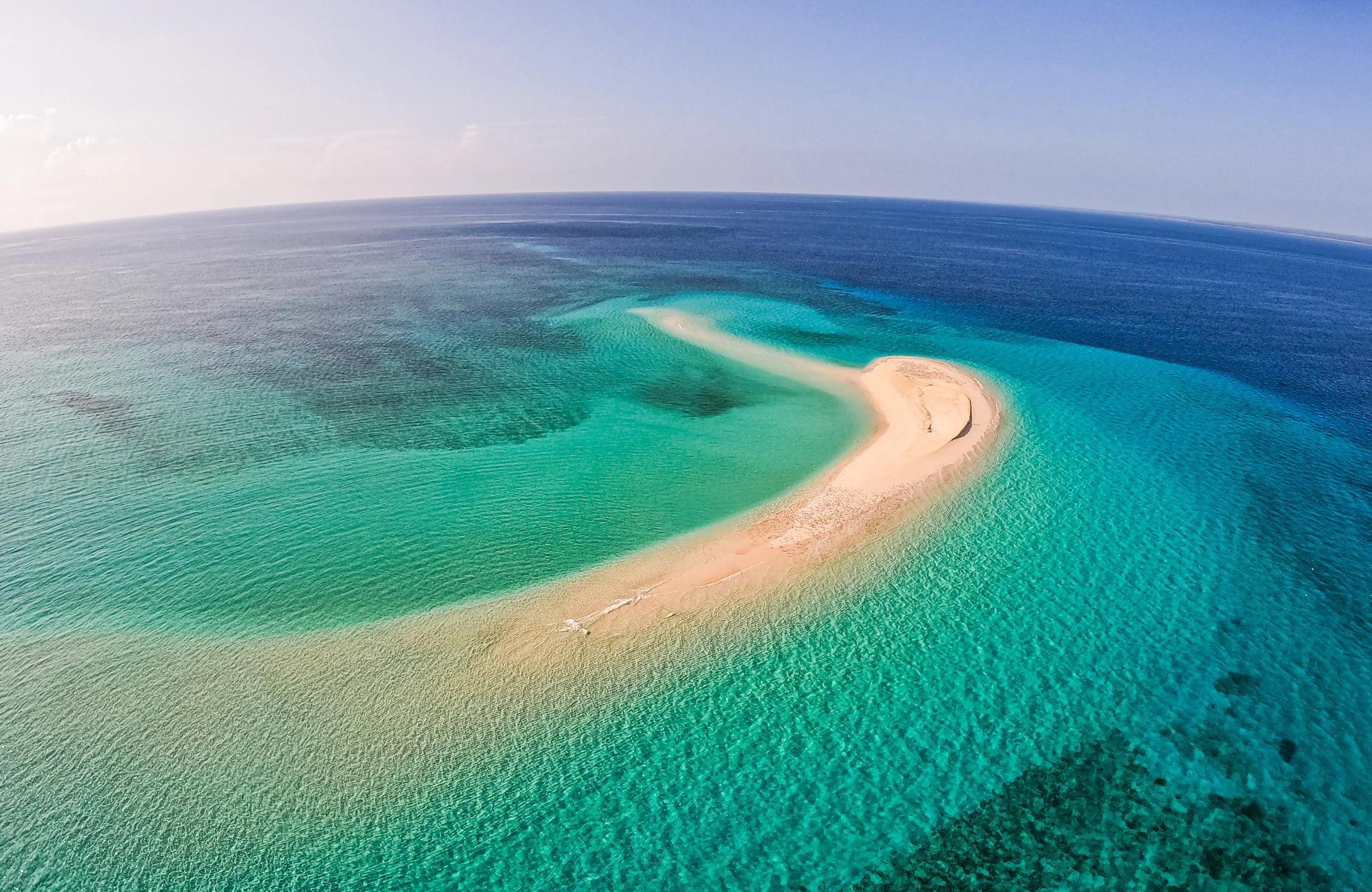
Maziwe Island Marine Reserve, situated 15 nautical miles east of Pangani, has over 350 fish species, 35 genera of coral and exceptional bird life. Maziwe Island was designated a reserve in the 1970s due to erosion caused from firewood collecting. The island now only emerges from the sea at low tide and is an ideal place for swimming, snorkeling, diving and sunbathing.
6. Chumbe Island Marine Sanctuary
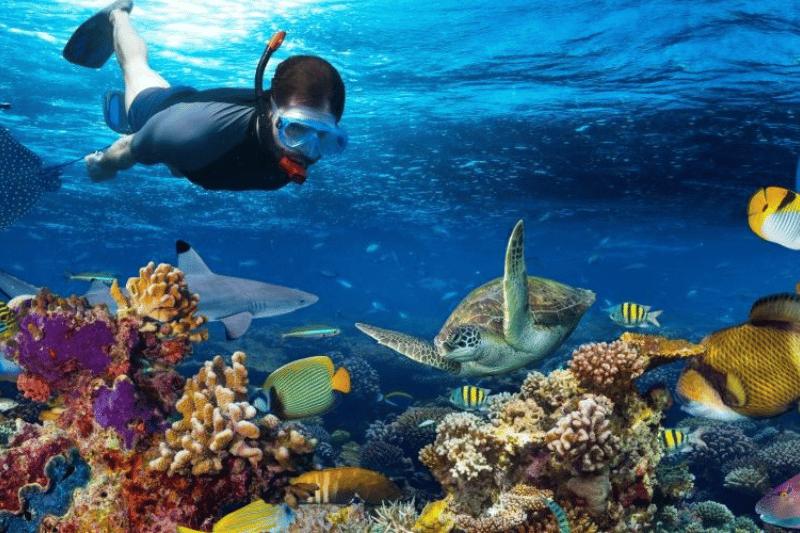
Chumbe offers some of the most pristine and colorful coral reefs in the world, with over 200 species of coral providing a sanctuary for more than 400 species of colorful fish. To protect these coral reefs, diving is not permitted in the marine park. The reef is shallow enough to see everything very clearly with a mask, snorkel and fins. There is also a coral – rag forest, which is home to the endangered Ader’s Duiker, giant coconut crabs, hermit crabs and a variety of bird species. Knowledgeable guides take guests on daily snorkeling and forest tours. Chumbe can be visited for day trips or longer, staying in ‘eco – bungalows” overlooking the Indian Ocean. Chumbe Island contains a lighthouse (which is still operational and was built by the British in 1904), a ruined mosque and the light house keeper’s house, is now converted into a spectacular education centre and restaurant. All profits from tourism on Chumbe Island are reinvested into the conservation and education programs operating in the park, and the island is staffed and managed by local Zanzibaris from the fishing community with voluntary support from overseas experts.
7. Mnemba Island Conservation Area
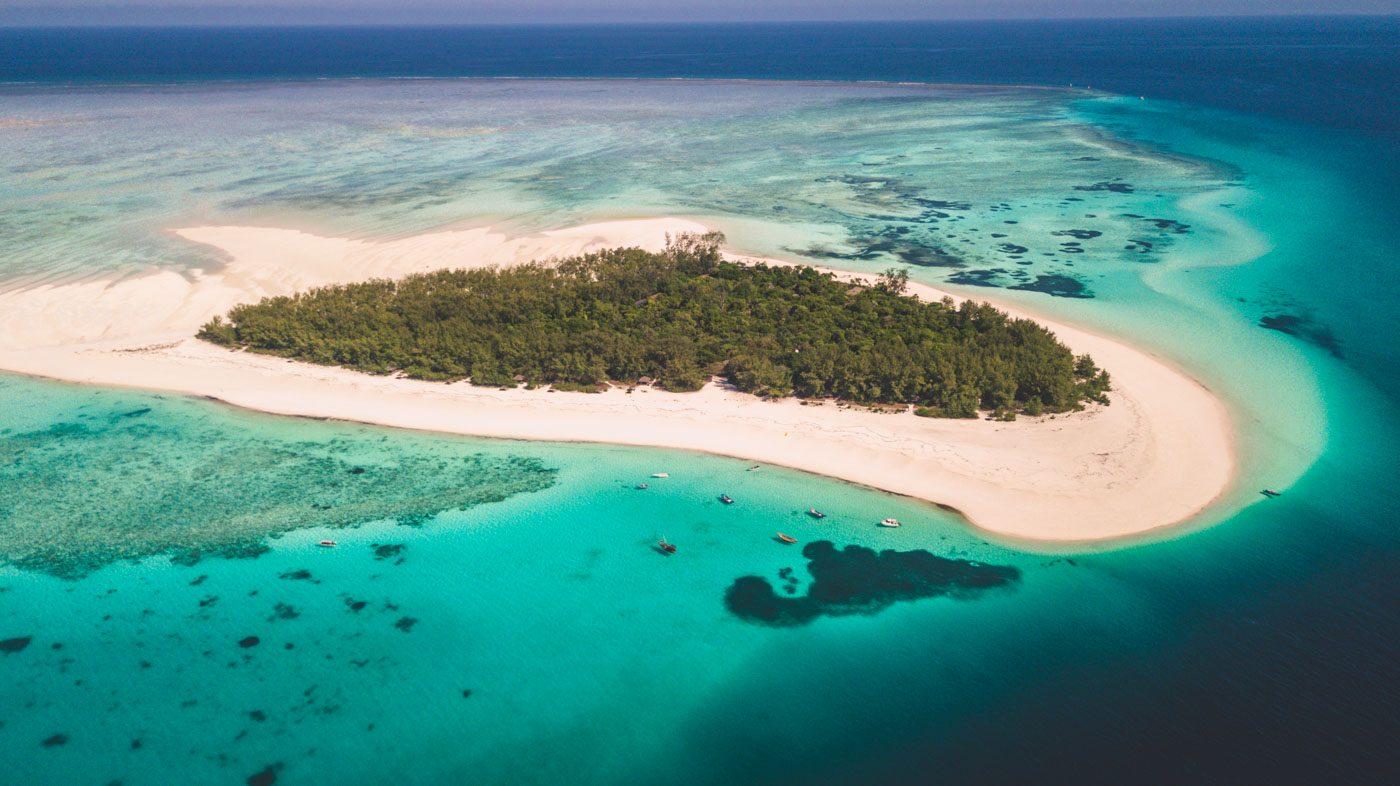
Mnemba Island is located about 4.5 km off the north eastern tip of Zanzibar Island. The Island is 1.5 km in circumference and is surrounded by spectacular coral reefs. Turtles lay and hatch their eggs all year round and there is excellent diving and snorkeling. The only human inhabitants of the island are the staff and guests staying at the exclusive, luxury lodge.
8. Misali Island Conservation Area
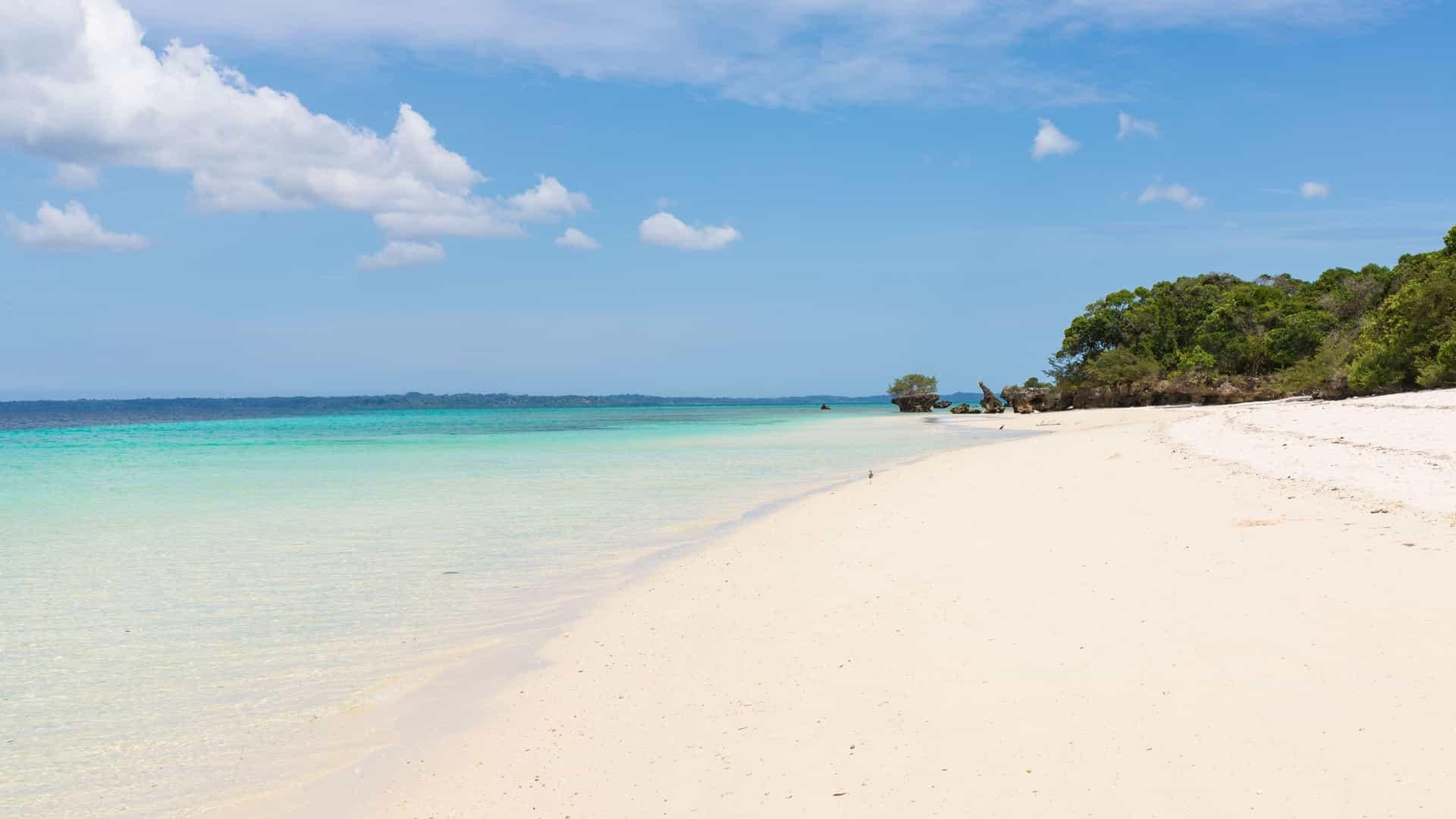
Misali Island, located just west of Pemba, has some of the highest recorded coral cover, and high species diversity with 40 genera of coral and 350 fish species. The 1 square kilometer of terrestrial area supports endangered nesting turtles, and the dense coastal thickets harbor population of green monkeys, the endangered and endemic Pemba flying Fox, globally endangered coconut crabs and various species of birds. Economically, fishing at Misali provides direct livelihood support to 11,400 people. There is a non – extraction zone that covers part of the total conservation area. Recreational activities such as diving and snorkeling, passage and scientific research are permitted within the non – extraction zone, but any type of activity that depletes the area’s natural resources is not allowed (such as fishing or shell and coral collecting).
9. Menai Bay Conservation Area
In the southwest of Zanzibar Island, near Fumba to the west and Unguja ukuu to the east, Menai Bay is a sea turtle breeding area and also encompasses several coral reefs, an abundance of marine life and dense mangrove forests. It is also famous for its Humpback and Bottle nose Dolphins. It extends from the southwest corner of Zanzibar Island encompassing several small islands and sand banks each with its own spectacular coral reef. Traditional boats make regular trips for snorkeling on the reefs, picnics on the islands and the star attraction of swimming with dolphins and whales.
