Let’s Explore
Tanzania Lakes and Rivers
Tanzania Lakes and Rivers
Tanzania is home to some of Africa’s most remarkable lakes and rivers, each offering its own scenery, wildlife, ecological importance, and cultural value. From the vast waters of Lake Victoria and the deep shores of Lake Tanganyika to the seasonal wetlands of Lake Rukwa and the unique environment of Lake Natron, these waterways form an important part of Tanzania’s natural landscape.
Tanzania’s rivers are equally important. They feed lakes, wetlands, forests, farms, and wildlife areas while supporting communities across the country. Some rivers are also closely connected with Tanzania’s famous wildlife destinations, making them excellent places to experience birds, hippos, crocodiles, fish, and other wildlife. For travellers, lakes and rivers provide opportunities for boating, fishing, birdwatching, canoeing, walking, photography, and cultural experiences.
Lake Victoria – Africa’s Largest Lake
Lake Victoria is the largest lake in Africa and one of the most important freshwater ecosystems on the continent. Shared by Tanzania, Kenya, and Uganda, the lake covers a vast area and supports communities, fisheries, wildlife, and numerous islands.
The Tanzanian side of Lake Victoria offers beautiful landscapes, fishing communities, birdlife, and opportunities to experience local culture. The lake supports many species of fish and attracts a wide variety of birds, while its shores provide habitats for animals such as hippos and waterbirds.
The islands and settlements around the lake add another dimension to the experience. A visit can combine scenic views with fishing, boating, birdwatching, and opportunities to learn about the traditional way of life of communities living around one of Africa’s great lakes.
Lake Tanganyika – Deep, Clear and Extraordinary
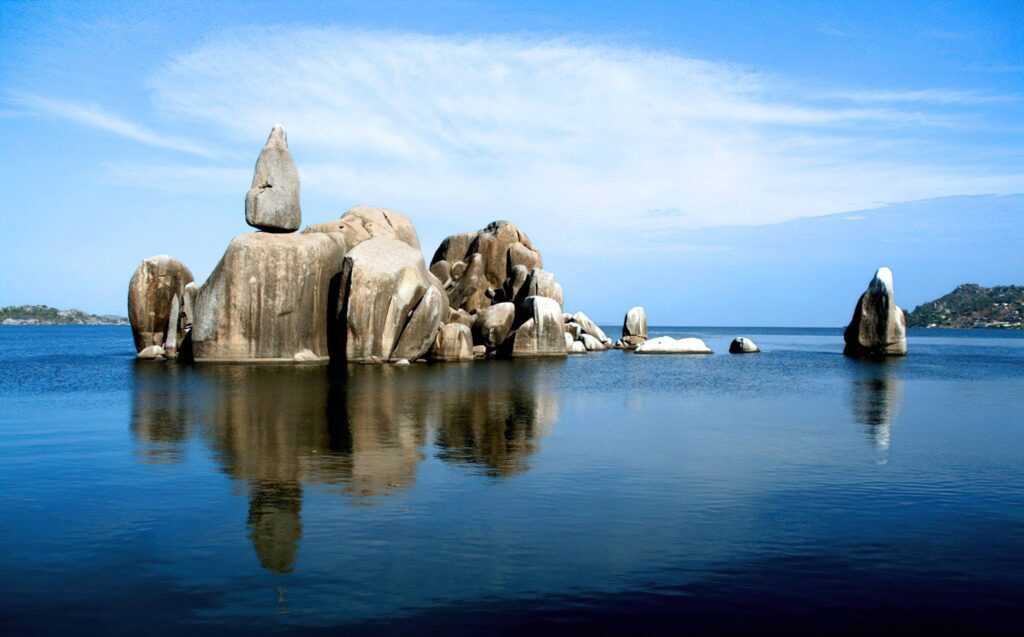
Lake Tanganyika is one of Tanzania’s most spectacular freshwater destinations. Stretching along the western side of the country, it is famous for its great depth, clear water, mountain scenery, and remarkable aquatic biodiversity.
The lake supports hundreds of fish species, including many found nowhere else. Its clear waters, sandy shores, surrounding forests, and dramatic landscapes make it particularly attractive for travellers interested in nature, photography, fishing, swimming, boating, and exploring remote parts of western Tanzania.
The lake is also closely connected with some of Tanzania’s most important wildlife areas, including Mahale Mountains National Park and Gombe National Park, where visitors can combine lake experiences with chimpanzee trekking and forest exploration.
Lake Malawi – Beautiful Southern Waters
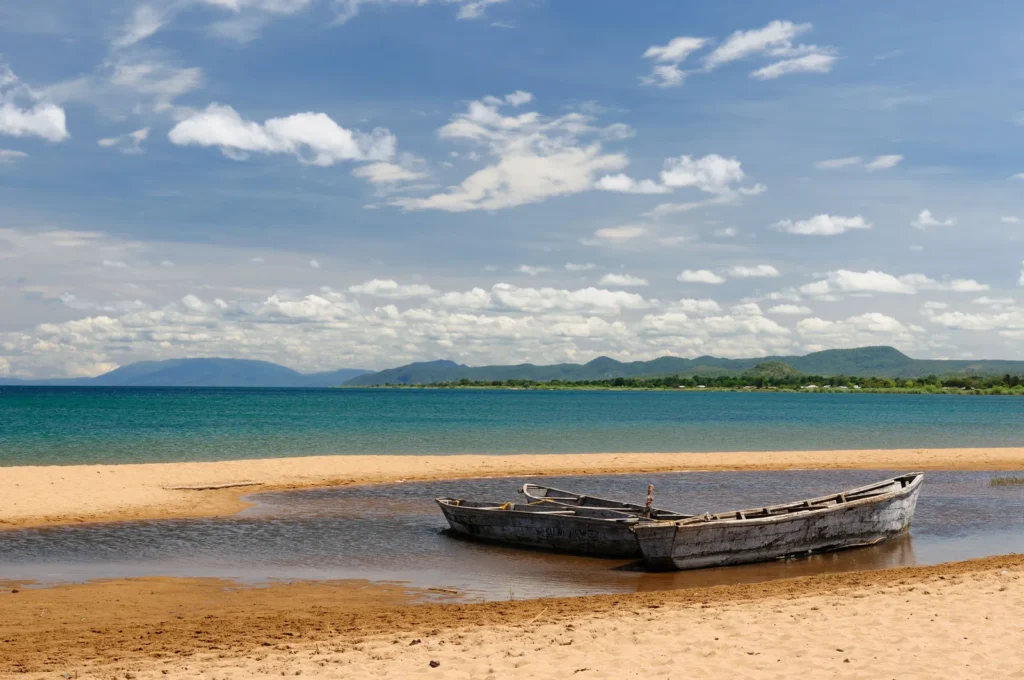
Lake Malawi, known as Lake Nyasa in Tanzania, lies along the southwestern part of the country and forms part of Tanzania’s border with Malawi and Mozambique. It is famous for its clear waters, sandy beaches, surrounding mountains, and exceptional freshwater biodiversity.
The lake supports a remarkable variety of colourful cichlid fish and provides a peaceful setting for swimming, fishing, boating, photography, and relaxing along the shore. The surrounding communities also add a strong cultural element to the experience, making the lake more than simply a scenic destination.
Lake Rukwa – A Changing Wetland Landscape
Lake Rukwa is a remote and fascinating lake in southwestern Tanzania. Its size and appearance can change considerably with the seasons, creating different landscapes as water levels rise and fall.
During wetter periods, the lake and surrounding wetlands provide important habitats for fish, birds, hippos, crocodiles, and aquatic plants. As water levels decrease, shallow pools, channels, floodplains, and marshes become more visible.
Its remote character makes Lake Rukwa particularly interesting for travellers looking beyond Tanzania’s better-known destinations and seeking less-developed natural landscapes.
Lake Natron – The Flamingo Haven
Lake Natron is one of Tanzania’s most unusual lakes, located in the northern part of the country close to the Kenyan border. It is a shallow, highly alkaline lake surrounded by volcanic landscapes and dramatic views of the Great Rift Valley.
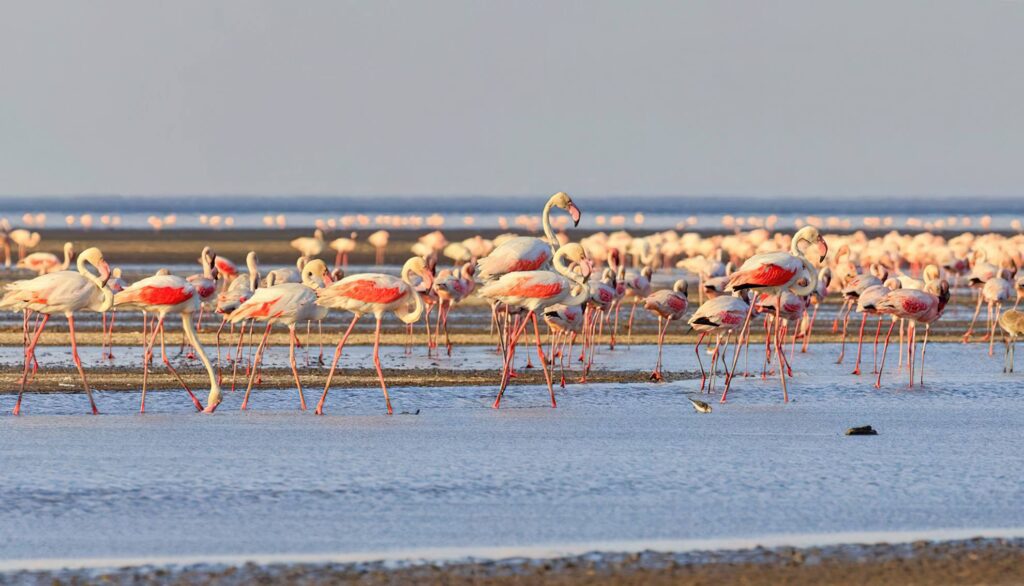
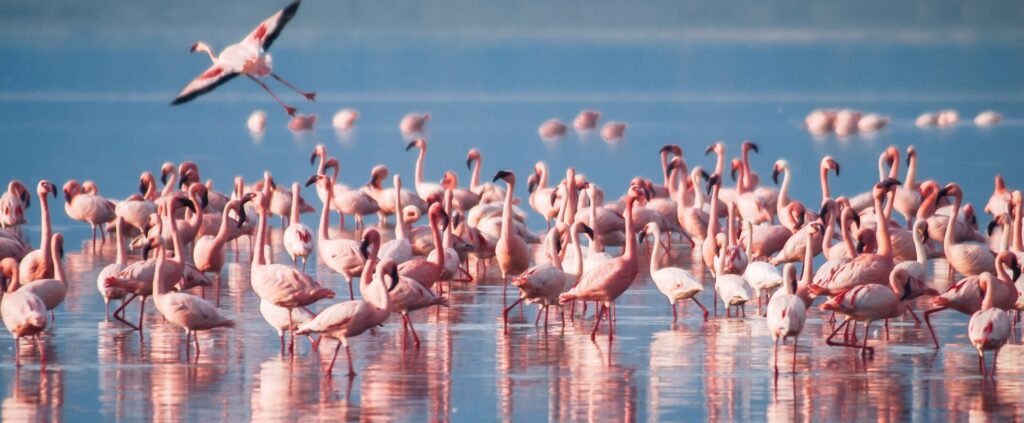
The lake’s mineral-rich environment supports algae that provide an important food source for lesser flamingos. Large numbers of flamingos gather around the lake, making it one of Tanzania’s most fascinating destinations for birdwatching and nature photography.
The landscape around Lake Natron is equally impressive, with volcanic terrain, open plains, and the imposing presence of Ol Doinyo Lengai. Visitors can combine a lake visit with hiking, cultural experiences, and exploration of the surrounding Rift Valley environment.
Lake Eyasi – Culture, Wildlife and Birdlife
Lake Eyasi is a shallow salt lake situated in the Great Rift Valley south of the Serengeti and southwest of the Ngorongoro Conservation Area. Its remote setting provides a different experience from Tanzania’s more famous safari destinations.
The lake attracts flamingos, pelicans, storks, ducks, and other waterbirds, particularly when conditions are favourable. The surrounding landscape is also home to wildlife such as baboons, antelopes, and zebras.
Lake Eyasi is especially important for cultural tourism. Visitors can meet communities living around the lake and learn about traditional lifestyles, hunting and gathering practices, crafts, and the relationship between people and the surrounding environment.
Lake Manyara – A Birdwatching Paradise
Lake Manyara lies at the base of the Great Rift Valley escarpment and forms an important part of Lake Manyara National Park. The shallow alkaline lake expands and contracts depending on rainfall and seasonal conditions.
Its wetlands attract large numbers of waterbirds, including flamingos, pelicans, storks, cormorants, kingfishers, and many other species. The surrounding woodland and groundwater forests further increase the variety of birds and wildlife found in the area.
A visit to Lake Manyara can easily be combined with a safari. The national park is known for elephants, buffaloes, hippos, baboons, monkeys, and its famous tree-climbing lions, making the lake and its surrounding ecosystem an excellent combination of scenery and wildlife.
Tanzania’s Rivers
Tanzania’s rivers are essential to the country’s ecosystems and communities. They provide water for wildlife, support wetlands and forests, nourish agricultural areas, and create important habitats for fish, birds, hippos, crocodiles, and other animals.
Many rivers also form part of Tanzania’s most important safari landscapes. Some flow through protected areas, while others connect highland forests with lakes, wetlands, and coastal environments.
Rufiji River – Tanzania’s Great Wildlife River
The Rufiji River is one of Tanzania’s most important rivers and the largest river system in the country. It flows through the Selous ecosystem, now largely associated with Nyerere National Park, creating a network of channels, lakes, wetlands, and floodplains.
The river is a major attraction for wildlife and boat safaris. Visitors can explore its waterways while observing hippos, crocodiles, elephants, buffaloes, waterbirds, and other animals gathering around the water.
Boat safaris along the Rufiji offer a completely different perspective from traditional vehicle safaris. Instead of watching wildlife from the road, travellers experience the landscape from the water, often at close range and in a peaceful setting.
Great Ruaha River – Lifeline of Ruaha
The Great Ruaha River is one of the defining features of Ruaha National Park. During the dry season, it becomes an especially important source of water for wildlife across the park.
Animals gather around the remaining pools and river sections, creating excellent opportunities for wildlife viewing. Elephants, giraffes, buffaloes, antelopes, crocodiles, hippos, and many bird species can be found around the river and its surrounding habitats.
The river also contributes to the distinctive landscape of Ruaha, where baobab-covered plains, rocky hills, woodland, and seasonal waterways create one of Tanzania’s most impressive southern safari environments.
Pangani River – From the Highlands to the Coast
The Pangani River flows from northern Tanzania towards the Indian Ocean, passing through landscapes that range from highland areas to the coastal region.
The river supports agriculture, communities, wetlands, and aquatic ecosystems along its course. Its connection between inland and coastal environments makes it important both environmentally and economically.
For visitors, the Pangani area offers opportunities to combine river scenery with cultural experiences, coastal activities, fishing, and exploration of Tanzania’s quieter northeastern landscapes.
Wami River – Wildlife and Wetlands
The Wami River flows through eastern Tanzania and is an important source of water for wildlife and surrounding communities. Its wetlands and riverine habitats support a variety of birds, fish, hippos, crocodiles, and other wildlife.
The river is particularly significant within the wider ecosystem of eastern Tanzania, where rivers and wetlands create important connections between wildlife habitats and coastal environments.
Kagera River – Northern Tanzania’s Important Waterway
The Kagera River forms part of the drainage system associated with Lake Victoria and is an important waterway in the Great Lakes region. Its waters and surrounding wetlands contribute to the wider ecosystem supporting Lake Victoria.
The river system is important for local communities, agriculture, fisheries, and wildlife while also contributing to the ecological character of northern Tanzania.
Why Explore Tanzania’s Lakes and Rivers?
Tanzania’s lakes and rivers offer much more than beautiful scenery. They are living ecosystems that support wildlife, birds, fish, forests, wetlands, agriculture, and communities.
A visit to these waterways can be part of many different travel experiences. You can enjoy a boat safari on the Rufiji River, watch flamingos around Lake Natron or Lake Manyara, explore the clear waters of Lake Tanganyika, discover the cultural communities around Lake Eyasi, or enjoy fishing and birdwatching around Lake Victoria.
For travellers interested in nature, photography, birdwatching, fishing, boating, culture, or quieter landscapes away from the main safari routes, Tanzania’s lakes and rivers provide exceptional opportunities to discover another side of the country.
Experience Tanzania from the Water
From the Great Lakes of western Tanzania to the wildlife-rich rivers of the south and the dramatic Rift Valley lakes of the north, Tanzania’s waterways reveal a different side of the country.
Whether you are looking for a peaceful boat trip, an exciting wildlife encounter, a birdwatching experience, a fishing adventure, or a cultural journey, our Tanzania travel experts can help you choose the right lake or river experience and include it in your safari or tailor-made itinerary.
Discover Tanzania’s lakes and rivers and experience the country beyond the traditional safari routes.
