
Let’s Explore
Tanzania Birdwatching
Tanzania Birdwatching
Discover Tanzania Through Its Birdlife
Tanzania is one of Africa’s outstanding birdwatching destinations, with an extraordinary variety of birds found across its forests, grasslands, wetlands, mountains, lakes, rivers, and coastal areas. More than 1,000 bird species have been recorded in the country, including colorful resident species, birds of prey, waterbirds, forest specialists, and seasonal migrants.
Birdwatching offers a different way to experience Tanzania’s natural environment. Instead of focusing only on large animals, you have the opportunity to observe the smaller and often overlooked wildlife that plays an important role in every ecosystem. The sound of birds calling from the forest, a kingfisher hunting beside a river, or a flock of flamingos gathering on a lake can become some of the most memorable moments of a Tanzania journey.
Why Choose Birdwatching in Tanzania?
Tanzania’s great advantage for birdwatchers is the incredible variety of habitats found within a relatively large but accessible country. The landscape changes from the dry savannahs of the northern safari circuit to high mountain forests, freshwater lakes, wetlands, miombo woodlands, coastal forests, and tropical islands.
Because different birds depend on different environments, moving between these habitats allows you to experience a much wider range of species. A safari in the Serengeti may introduce you to large raptors and open-country birds, while a forest excursion in the Eastern Arc Mountains can reveal species that are rarely found in open landscapes.
Birdwatching can also be combined easily with a traditional wildlife safari. While looking for elephants, lions, giraffes, or buffalo, your guide can also point out birds along the route, making every game drive an opportunity to learn more about Tanzania’s biodiversity.

Tanzania's Different Bird Habitats
Savannah and Grasslands
Tanzania’s vast savannahs provide habitat for many birds adapted to open landscapes. These areas are particularly interesting for observing eagles, vultures, secretary birds, bustards, rollers, starlings, hornbills, and other species that move across grasslands and scattered woodland.
The open environment also makes many birds easier to spot because there are fewer dense trees and bushes blocking the view. Early morning game drives are especially rewarding when birds are active and the cooler temperatures encourage movement.
Forests and Mountain Habitats
Tanzania’s forests contain a completely different community of birds. Dense vegetation provides food, shelter, and nesting sites for forest specialists, including colorful turacos, sunbirds, barbets, cuckoos, and numerous smaller species.
The Eastern Arc Mountains and other forested highland areas are particularly important for bird conservation because some species have very restricted ranges. Birdwatching in these environments often requires more patience because birds may remain high in the canopy or hidden among dense vegetation. Experienced guides can help locate them by recognizing their calls and movements.
Lakes, Rivers, and Wetlands
Tanzania’s lakes, rivers, swamps, and seasonal wetlands attract large numbers of water-dependent birds. These habitats provide abundant food and breeding areas, particularly where shallow water and exposed mudflats are available.
Depending on the location and season, you may see flamingos, pelicans, herons, egrets, storks, kingfishers, cormorants, ibises, and many other waterbirds. Wetlands are also excellent places to observe feeding behavior because different species often use different parts of the same water system.
Coastal and Island Habitats
The Indian Ocean coastline and islands such as Zanzibar offer another important birdwatching environment. Coastal forests, mangroves, coral-rag forests, wetlands, and agricultural landscapes support a mixture of mainland, coastal, and island species.
Birdwatching in Zanzibar can be combined with beach holidays, cultural experiences, forest walks, and visits to historical sites. This makes it a particularly good option for travelers who want to include nature activities without planning a dedicated safari.
Important Birdwatching Destinations
Serengeti National Park
The Serengeti is famous worldwide for its wildlife and Great Migration, but its birdlife is equally fascinating. The park’s enormous grasslands, rocky kopjes, rivers, and wooded areas provide different habitats for a wide range of species.
Birds of prey are particularly impressive here. Eagles, vultures, hawks, and other raptors can often be seen soaring above the plains or watching from elevated positions. Colorful rollers, starlings, bee-eaters, and other smaller birds add variety to the open savannah.
Ngorongoro Conservation Area
The Ngorongoro landscape contains forests, grasslands, highland areas, crater habitats, and wetlands. This combination creates excellent conditions for both forest and open-country birds.
Within the crater, the lakes and wetlands attract numerous waterbirds, while the surrounding grasslands support species adapted to open habitats. The highland forests also provide opportunities to search for forest birds that are not commonly encountered on a standard game drive.
Lake Manyara National Park
Lake Manyara is particularly attractive to birdwatchers because several different habitats occur within a relatively small area. The lake, groundwater forest, woodland, open plains, and wetland areas each support different bird communities.
Waterbirds can be especially numerous when conditions are suitable, while the forest provides opportunities to look for species that prefer shaded and densely vegetated environments. The park is therefore an excellent addition to a northern Tanzania safari.
Tarangire National Park
Tarangire is one of Tanzania’s rewarding birdwatching destinations, particularly because of its river system, seasonal wetlands, woodland, and distinctive baobab landscapes.
Birdlife is closely connected to the availability of water. During drier periods, birds may concentrate around permanent water sources, making them easier to observe. The park’s diverse habitats also support many woodland and savannah species.
Arusha National Park
Arusha National Park offers an interesting combination of montane forest, open grassland, lakes, and volcanic landscapes. Its location near Arusha makes it convenient for shorter birdwatching excursions or as an addition to a longer northern Tanzania itinerary.
The park is especially valuable for travelers interested in forest and highland birds, while the lakes provide opportunities to observe water-associated species.
Eastern Arc Mountains
The Eastern Arc Mountains are among Tanzania’s most important areas for biodiversity and are particularly interesting for serious birdwatchers. The ancient forests provide habitat for species with highly restricted distributions.
Areas around the Usambara and Uluguru Mountains can offer a very different birding experience from the open savannah parks. Walks through forest trails are often the best way to search for smaller birds because many species are heard before they are seen.
Zanzibar
Zanzibar provides opportunities to explore tropical and island birdlife while enjoying the island’s beaches and cultural attractions. Forest areas, wetlands, mangroves, gardens, and agricultural landscapes all support birds.
A visit to protected forest areas can be especially rewarding for travelers interested in species associated with Zanzibar’s unique island environment. Birdwatching can easily be combined with other Zanzibar activities, creating a balanced nature and beach itinerary.
Resident Birds and Migratory Birds
Tanzania has a strong combination of resident and migratory birdlife. Resident species remain in the country throughout the year, although their movements can change according to rainfall, food availability, and water conditions.
Migratory birds arrive during particular periods of the year after traveling from Europe, Asia, and other parts of Africa. Their presence increases the variety of species that can be observed, making the wetter months particularly attractive to birdwatchers who want to see both resident and migrant birds.
The period from November to April is generally considered an excellent time for observing many migratory species. This period also brings breeding activity for numerous resident birds, meaning you may see birds displaying, nesting, feeding young, or defending their territories.
What Birds Can You See?
Tanzania offers an impressive range of birdlife, from tiny sunbirds to large birds of prey. Depending on your destination and the time of year, you may encounter:
- Flamingos and other waterbirds
- Eagles, hawks, and vultures
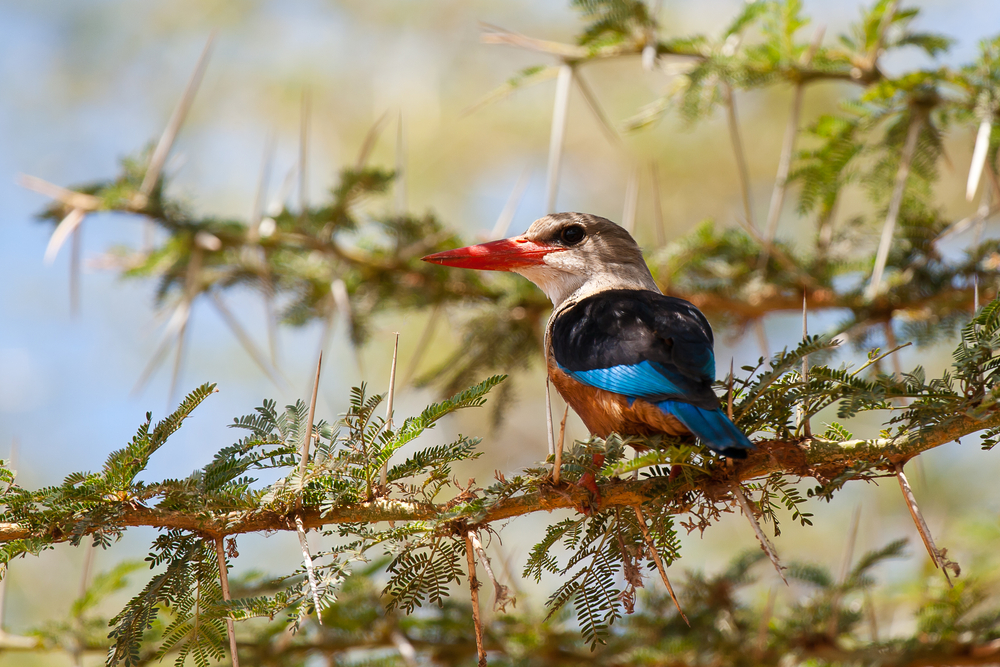
- Kingfishers and bee-eaters
- Rollers and starlings
- Hornbills and barbets
- Herons, egrets, and storks
- Turacos and forest birds
- Weavers and colorful seed-eating birds
- Owls and other nocturnal species
- Migratory birds from Europe and Asia
Some birds are easy to identify because of their bright colors, distinctive shapes, or characteristic behavior. Others can be much more challenging and may only be identified through their calls or brief movements through vegetation. This is where an experienced birding guide becomes particularly valuable.
Birdwatching With an Expert Guide
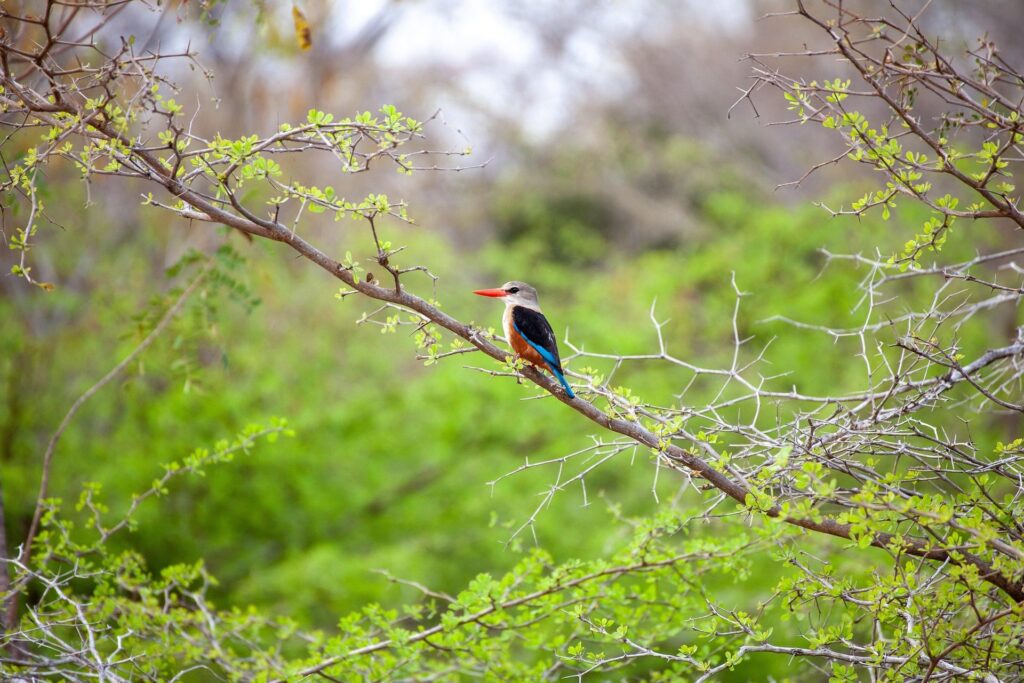
A knowledgeable guide can transform a normal safari into a much richer birdwatching experience. Guides learn to recognize birds not only by sight but also by their calls, flight patterns, feeding behavior, preferred habitats, and seasonal movements.
They can also help you understand why certain birds are found in particular locations. For example, a bird feeding around shallow water may depend on a specific type of wetland, while a forest species may only survive where mature trees and suitable food sources remain available.
For dedicated birdwatchers, we can plan routes around specific habitats or target species rather than simply adding occasional birding stops to a standard safari.
Best Time for Birdwatching
Birdwatching is possible throughout the year, but different seasons offer different advantages.
November to April
This is an excellent period for bird diversity because many migratory species are present. Vegetation is generally greener, food becomes more abundant, and many resident birds are active during the breeding season.
June to October
The dry season offers generally comfortable travel conditions and good visibility in many wildlife areas. Vegetation can be less dense, making some birds easier to spot, while resident species continue to provide excellent birdwatching opportunities.
The best travel period ultimately depends on whether your priority is migratory birds, resident species, breeding activity, particular habitats, or combining birdwatching with a broader Tanzania safari.
What to Bring for Birdwatching
A few simple items can make your birdwatching experience much more enjoyable. Binoculars are essential for observing birds at a distance, while a field guide or bird identification app can help with species identification.
A camera with a suitable telephoto lens is useful for photography, although good bird photography requires patience and careful positioning. Comfortable walking shoes, lightweight clothing, sun protection, insect repellent, and a notebook for recording observations are also useful.
Most importantly, bring patience. Some of the most interesting birds may appear only briefly, and others may be easier to hear than see.
Birdwatching as a Conservation Experience
Birdwatching also helps travelers understand the importance of protecting Tanzania’s natural habitats. Birds respond quickly to changes in forests, wetlands, water sources, and grasslands, making them valuable indicators of the health of an ecosystem.
Responsible birdwatching means observing birds without disturbing nests, breeding areas, or feeding behavior. Keeping a respectful distance, following park regulations, and avoiding unnecessary noise help protect the very wildlife travelers have come to appreciate.
Combine Birdwatching With Your Tanzania Holiday
Birdwatching does not have to be a separate trip. It can be incorporated into a wildlife safari, mountain hiking adventure, cultural journey, or Zanzibar holiday.
A northern Tanzania safari can combine major wildlife destinations with dedicated birding stops, while mountain and forest excursions can focus on specialized highland species. On Zanzibar, birdwatching can be combined with beaches, forests, marine activities, and cultural experiences.
This flexibility makes Tanzania suitable for both dedicated birdwatchers and travelers who simply want to discover more of the country’s wildlife.
Experience Tanzania One Bird at a Time
Birdwatching reveals a quieter and more detailed side of Tanzania. Beyond the elephants, lions, and sweeping landscapes, there is a world of color, movement, sound, and behavior waiting to be discovered.
Whether you are an experienced birder looking for specific species or a first-time visitor who simply enjoys nature, Tanzania offers rewarding opportunities across its national parks, forests, mountains, wetlands, lakes, and islands.
Plan Your Tanzania Birdwatching Adventure
Tell us what you would like to see, how much time you have, and which parts of Tanzania interest you most. We can help create a birdwatching itinerary that combines the right habitats, destinations, seasons, and experiences for your journey.
