
Let’s Explore
Katavi National Park
Katavi National Park
Katavi National Park is a remote wilderness destination in western Tanzania, known for its vast floodplains, impressive wildlife concentrations, and peaceful safari experiences away from busy tourist routes. Covering approximately 4,471 square kilometres, the park features open grasslands, seasonal lakes, riverine forests, wetlands, and extensive miombo woodlands. Its remote location makes it an excellent choice for travelers seeking an authentic African safari surrounded by largely untouched natural landscapes.
The park is particularly famous for its enormous buffalo herds, large gatherings of hippos, and crocodiles found along the Katuma River. Elephants, giraffes, zebras, antelopes, lions, and spotted hyenas also inhabit the area. During the dry season, wildlife gathers around the remaining water sources, creating exceptional opportunities for game viewing and photography. Katavi is ideal for experienced safari travelers, wildlife enthusiasts, birdwatchers, and visitors looking to explore one of Tanzania’s less-visited national parks.
Wildlife in Katavi National Park
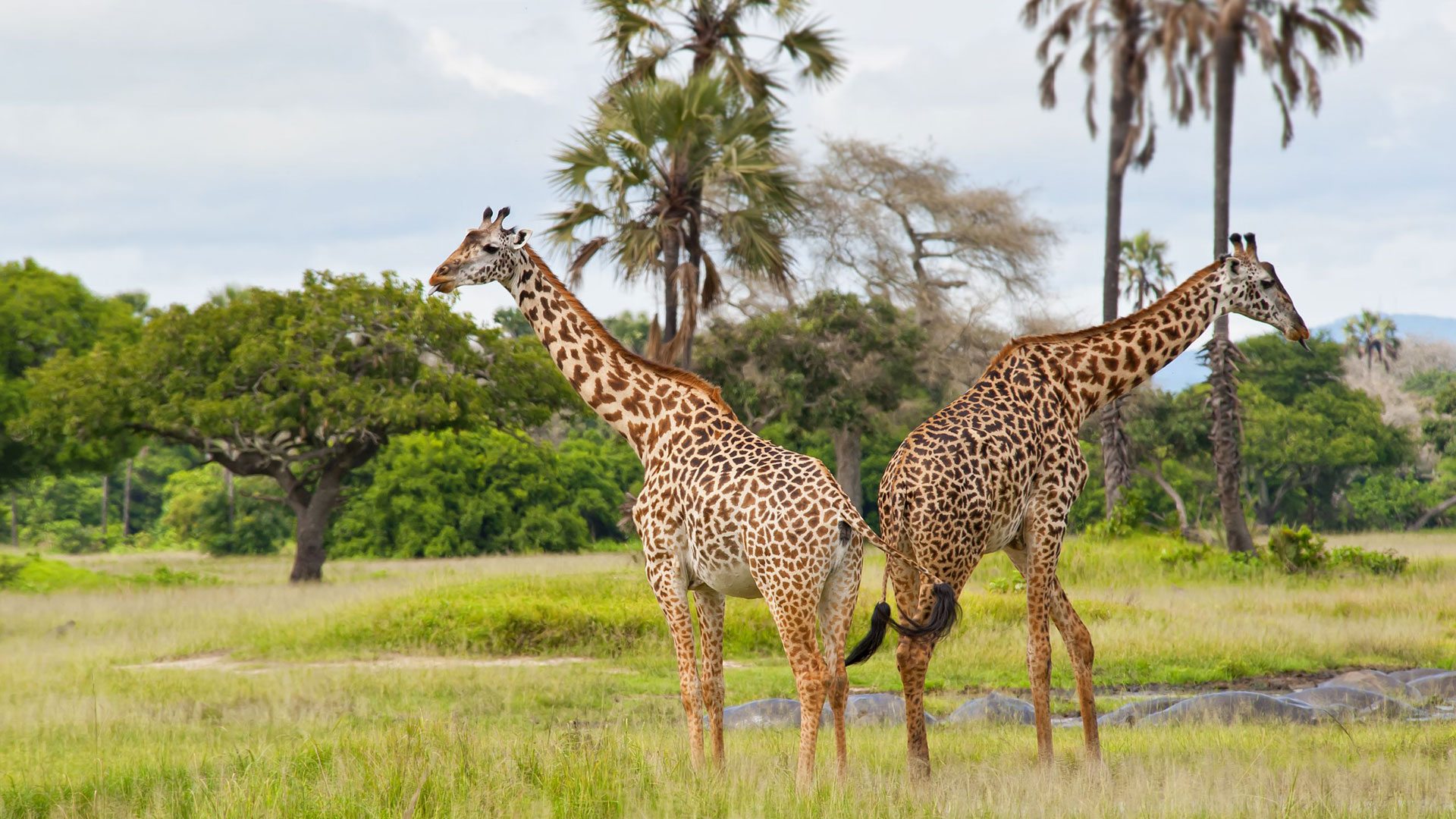
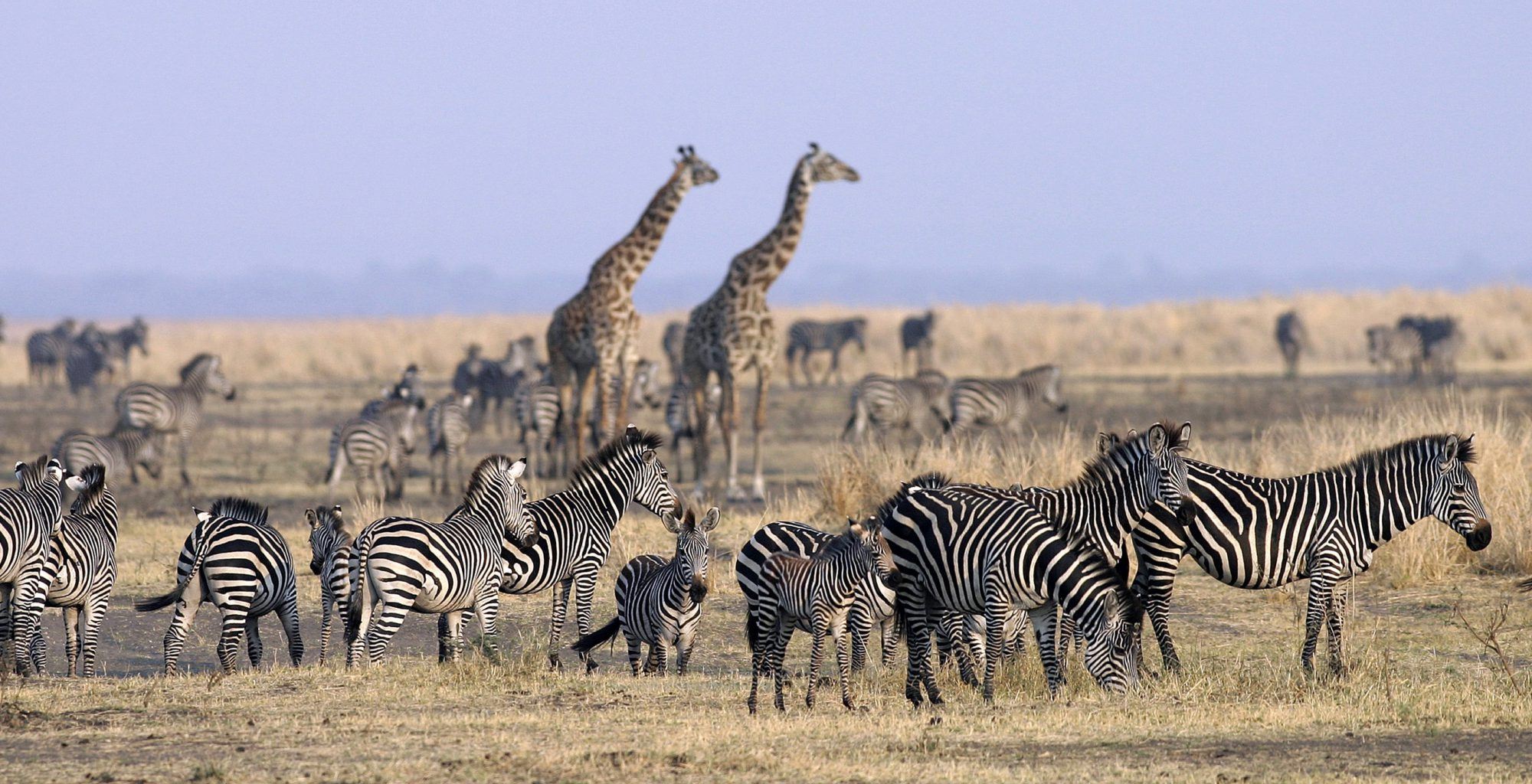
Katavi supports a remarkable variety of wildlife across its floodplains, woodlands, and wetlands. Buffaloes are among the park’s most impressive animals, sometimes gathering in enormous herds across the open plains. Elephants move between water sources and woodland habitats, while zebras, giraffes, topi, impalas, waterbucks, and other antelope species can be seen grazing across the landscape.
Predators such as lions, leopards, and spotted hyenas inhabit the park, taking advantage of the abundant prey. The Katuma River is especially famous for its hippo populations and large Nile crocodiles, which become concentrated in shrinking pools as the dry season progresses. These seasonal changes create dramatic wildlife encounters that make Katavi particularly rewarding for nature lovers.
Top Attractions in Katavi National Park
Katuma River
The Katuma River is one of the park’s most important natural features, supporting wildlife throughout the changing seasons. During the dry months, water becomes increasingly limited, attracting large numbers of animals to the remaining pools. Visitors can observe hippos, crocodiles, and other wildlife along the river while enjoying the surrounding floodplains and open landscapes.
Lake Katavi Floodplains
The seasonal floodplains around Lake Katavi are among the park’s most striking landscapes. During the rainy season, these areas fill with water and support rich vegetation and birdlife. As the water recedes, grazing animals gather on the exposed plains, attracting predators and creating excellent opportunities for wildlife viewing.
Lake Chada Plains
The Lake Chada area is known for its broad grasslands, seasonal wetlands, and impressive wildlife concentrations. Buffaloes, elephants, zebras, and antelopes move through the surrounding habitats in search of food and water. The open scenery also offers excellent conditions for wildlife photography and observing animal behavior.
Hippo and Crocodile Pools
Katavi’s shrinking water pools provide one of its most memorable wildlife spectacles. During the dry season, large groups of hippos crowd into the remaining water while crocodiles rest along muddy banks. Visitors may witness territorial behavior among hippos, making these pools particularly interesting for wildlife enthusiasts.
Miombo Woodlands
The park’s extensive miombo woodlands provide a different environment from the open floodplains. These woodlands support various antelope species, including sable antelope, as well as elephants and numerous birds. Exploring this habitat reveals the ecological diversity that makes Katavi more than just a destination for river and plains wildlife.
Chorangwa, Lukima, and Ndido Waterfalls
Katavi also features waterfalls in its more remote areas, including Chorangwa, Lukima, and Ndido. Guided hikes provide opportunities to explore these scenic locations, appreciate the surrounding vegetation, and experience a different side of the park beyond traditional game drives.
Activities in Katavi National Park
Game Drives
Game drives are the main activity in Katavi National Park. Visitors explore the floodplains, riverbanks, and woodlands in search of elephants, buffaloes, giraffes, zebras, antelopes, and predators. The dry season is particularly rewarding because wildlife often gathers around the remaining water sources, making animal sightings more frequent in suitable areas.
Guided Walking Safaris
Guided walking safaris offer a closer look at Katavi’s natural environment. Accompanied by an authorized ranger, visitors can learn about animal tracks, plants, insects, and smaller wildlife that may be overlooked during vehicle-based safaris. Walking excursions also provide a greater appreciation of the park’s wilderness and ecological diversity.
Birdwatching
Katavi is an excellent destination for birdwatching, with habitats ranging from seasonal wetlands and riverbanks to open grasslands and miombo woodlands. Visitors may encounter storks, herons, pelicans, fish eagles, and various other resident and migratory birds. The seasonal wetlands are particularly attractive to waterbirds when water and food are abundant.
Wildlife Photography
The park’s open plains, dramatic wildlife gatherings, and relatively low visitor numbers create excellent conditions for photography. Visitors can capture large buffalo herds, elephants crossing the floodplains, hippos gathered in river pools, and predators moving through the grasslands. The changing light during early morning and late afternoon also provides attractive opportunities for landscape and wildlife photography.
Hiking to Waterfalls
Hiking excursions allow visitors to explore Katavi’s less-visited landscapes and discover its waterfalls. These guided experiences combine physical activity with scenic views, woodland exploration, and opportunities to appreciate the park beyond its wildlife-rich plains.
Best Time to Visit Katavi National Park
The dry season, generally from June to October, is the best time to visit Katavi National Park for concentrated wildlife viewing. As seasonal water sources disappear, animals gather around the Katuma River and remaining pools. August, September, and October can be especially rewarding for observing large buffalo herds, hippos, crocodiles, and predators.
The rainy season, generally from November to May, transforms the park with greener vegetation, seasonal wetlands, and increased bird activity. However, heavy rainfall can make some roads difficult to navigate, and many safari camps operate seasonally. Travelers should confirm accommodation availability and access conditions before planning a visit during the wetter months.
How to Get to Katavi National Park
Katavi National Park is located in western Tanzania, far from the country’s main northern safari destinations. Flying is often the most convenient option, with access through Mpanda Airport or suitable airstrips serving the park, depending on available flights and seasonal schedules.
Travel by road is also possible from towns such as Mbeya, Tabora, and Kigoma, but journeys can be long and require careful planning. A reliable four-wheel-drive vehicle is recommended, particularly when traveling on rough roads or during the rainy season. Due to its remote location, visitors should arrange transport, accommodation, fuel, and other essential supplies in advance.
Why Visit Katavi National Park?
Katavi National Park offers an exceptional safari experience for travelers who want to discover Tanzania’s remote wilderness and impressive wildlife populations. Its enormous buffalo herds, crowded hippo pools, crocodile sightings, and predator activity create memorable opportunities for wildlife observation. The park’s seasonal floodplains, scenic woodlands, and quiet atmosphere provide a distinctive alternative to Tanzania’s more frequently visited safari destinations.
For travelers seeking a less-crowded safari with excellent wildlife photography, guided walks, and authentic wilderness experiences, Katavi is a remarkable destination to include in a western Tanzania safari itinerary.
