Let’s Explore
Mount Ol Doinyo Lengai
Mount Ol Doinyo Lengai
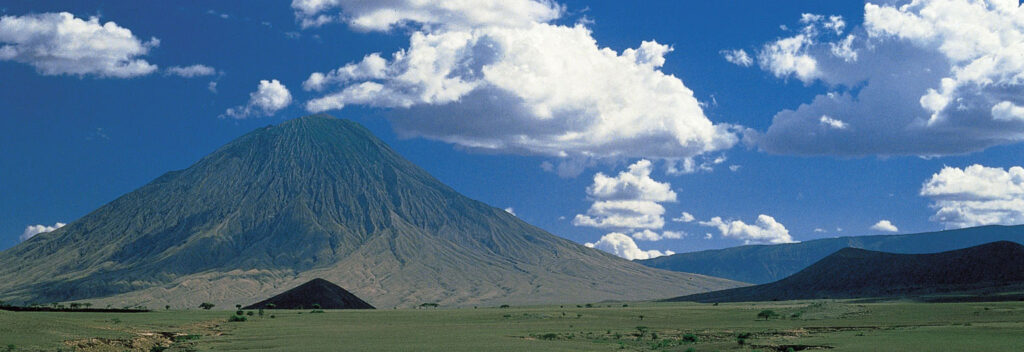
Mount Ol Doinyo Lengai, also known as Ol Doinyo Lengai, is an active volcano in northern Tanzania. Its name comes from the Maasai language and means “Mountain of God.” The mountain rises to about 2,962 metres (9,718 feet) above sea level and is located near Lake Natron, in the Great Rift Valley.
Ol Doinyo Lengai is particularly interesting because it is the only known active volcano that erupts natrocarbonatite lava, a rare type of volcanic lava rich in sodium and potassium carbonates. This makes the mountain important not only for tourism but also for geological research.
Location
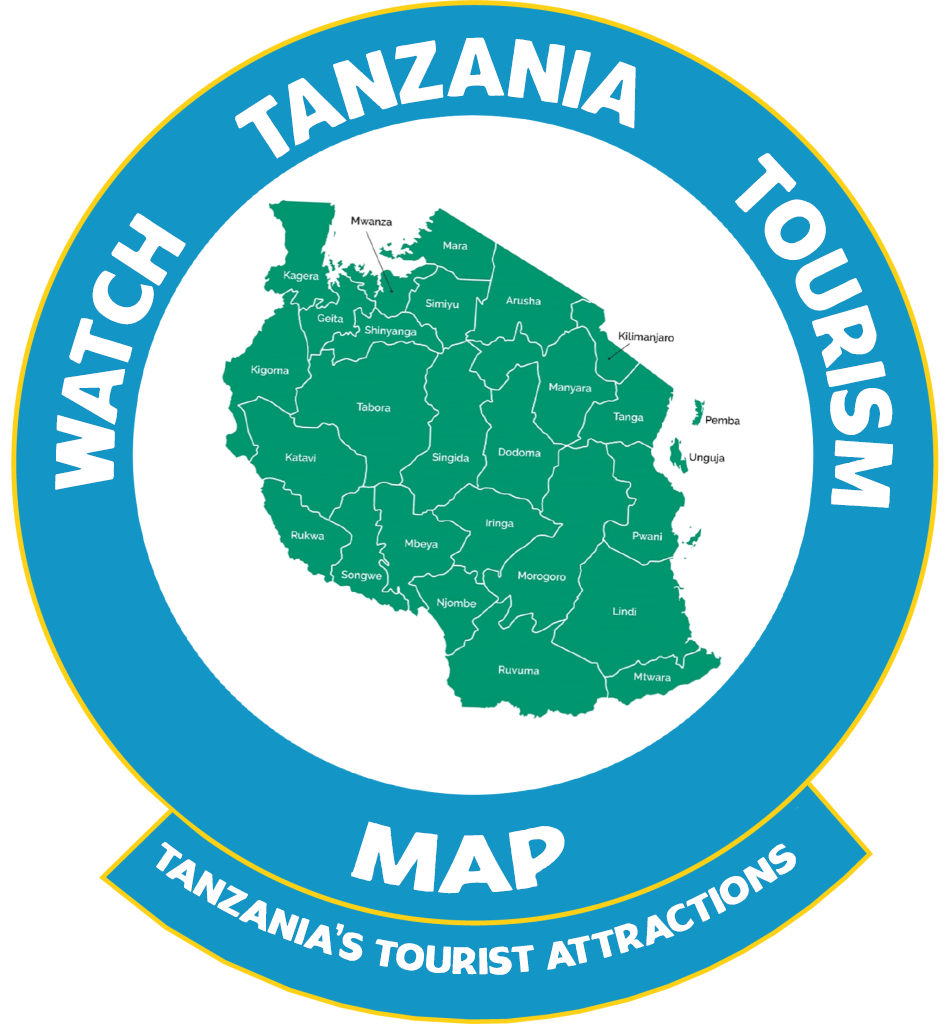
Mount Ol Doinyo Lengai is situated in the Arusha Region of northern Tanzania, south of Lake Natron. It lies within the dramatic landscape of the East African Rift System, an area known for volcanic mountains, escarpments, lakes, and geothermal activity.
The mountain is relatively remote compared with Mount Kilimanjaro and Mount Meru. Reaching the area usually involves travelling through rural landscapes, making the journey part of the adventure.
The Volcano and Its Geology
Ol Doinyo Lengai is an active stratovolcano formed by volcanic activity associated with the Great Rift Valley. Unlike most volcanoes, which commonly produce silica-rich lava, Lengai is famous for producing natrocarbonatite lava.
This lava is unusual because it is relatively cool and fluid compared with many other types of volcanic lava. Fresh natrocarbonatite lava can appear dark or black, but it may become lighter in colour as it reacts with moisture and the atmosphere.
The volcano has experienced several eruptions throughout its history. Because it remains active, volcanic conditions can change, and access to the summit may sometimes be restricted for safety reasons.
Climbing Mount Ol Doinyo Lengai
Climbing Ol Doinyo Lengai is considered a demanding mountain trek. The route is steep, and loose volcanic rock can make the ascent physically challenging. Unlike many Kilimanjaro routes, the climb does not follow a long gradual trail. Much of the ascent involves steep volcanic terrain.
Summit attempts commonly begin during the night or very early in the morning. Starting early helps climbers avoid some of the daytime heat and allows them to reach higher sections around sunrise.
A climb requires good physical preparation, proper hiking equipment, sufficient water, and an experienced local guide. Because the mountain is an active volcano, climbers should always follow current safety instructions from local authorities and mountain guides.
Views from the Summit
One of the main attractions of climbing Ol Doinyo Lengai is the spectacular scenery from higher elevations. On clear days, climbers can see Lake Natron, the surrounding Rift Valley, and the distant volcanic and mountainous landscapes of northern Tanzania.
The sunrise from the mountain can be especially impressive, with the changing light revealing the rugged volcanic landscape below.
Ol Doinyo Lengai and Lake Natron
Mount Ol Doinyo Lengai is closely associated with Lake Natron, a shallow alkaline lake famous for its striking landscapes and large populations of lesser flamingos.
The lake and volcano form a unique natural environment where visitors can combine mountain trekking with wildlife and birdwatching experiences. A visit to Lengai can therefore be part of a wider northern Tanzania itinerary that includes Lake Natron and nearby cultural attractions.
Maasai Culture
The area around Ol Doinyo Lengai is traditionally inhabited by Maasai communities. The mountain has important cultural and spiritual significance in Maasai traditions, reflected in its name, “Mountain of God.”
Visiting the area provides an opportunity to learn about local traditions, pastoral lifestyles, and the relationship between communities and the surrounding landscape. Cultural experiences should be arranged respectfully with local communities and guides.
Best Time to Climb
Ol Doinyo Lengai can be climbed at different times of the year, but drier periods are generally more suitable because the steep volcanic trail can become difficult when wet.
Weather conditions around the mountain can change quickly, and temperatures vary considerably between the lower slopes and higher elevations. Since the volcano is active, the availability of the climbing route can also depend on current volcanic and safety conditions.
Why Visit Mount Ol Doinyo Lengai?
Mount Ol Doinyo Lengai offers a very different experience from Tanzania’s more famous Kilimanjaro and Mount Meru climbs. Its active volcanic character, unusual natrocarbonatite lava, steep terrain, Maasai cultural importance, and spectacular Rift Valley scenery make it a distinctive destination for adventurous travellers.
A visit to Ol Doinyo Lengai, Lake Natron, and the surrounding Rift Valley can also be combined with a northern Tanzania safari, creating an itinerary that includes volcanic landscapes, wildlife, birdlife, and cultural experiences.
