
Let’s Explore
Mount Hanang
Mount Hanang
Mount Hanang is one of Tanzania’s prominent volcanic mountains, rising above the surrounding plains of the Manyara Region. Known for its steep slopes, forested sections, scenic hiking trails, and panoramic views, the mountain offers a rewarding destination for travellers interested in mountain climbing, nature, and cultural experiences.
Standing at approximately 3,420 metres above sea level, Mount Hanang is among the highest mountains in Tanzania. It rises dramatically near the town of Katesh and provides a striking contrast to the surrounding agricultural land and open landscapes. Unlike the more frequently visited Mount Kilimanjaro, Mount Hanang offers a quieter climbing experience for hikers seeking a challenging adventure away from the busiest mountain routes.
Location
Mount Hanang is located in Hanang District, Manyara Region, in northern Tanzania. It lies near Katesh town, which serves as the main starting point for visitors planning to climb the mountain.
The mountain stands within the Great Rift Valley region, surrounded by plains, farming communities, and settlements. Its location makes it an interesting addition to journeys through northern Tanzania, particularly for travellers exploring the landscapes between Arusha, Babati, and the southern parts of the Rift Valley.
Mount Hanang's Landscape
Mount Hanang is a volcanic mountain characterized by steep ridges, forested slopes, rocky sections, and open areas at higher elevations. Its landscape changes as hikers ascend, moving from cultivated land and lower vegetation into cooler mountain environments.
The higher slopes offer wide views across the surrounding plains and agricultural areas. On clear days, the elevated viewpoints provide excellent opportunities for landscape photography and observing the distinctive geography of the Great Rift Valley region.
The mountain’s natural environment also supports a variety of plants and wildlife adapted to different elevations and habitats.
Hiking and Climbing Mount Hanang
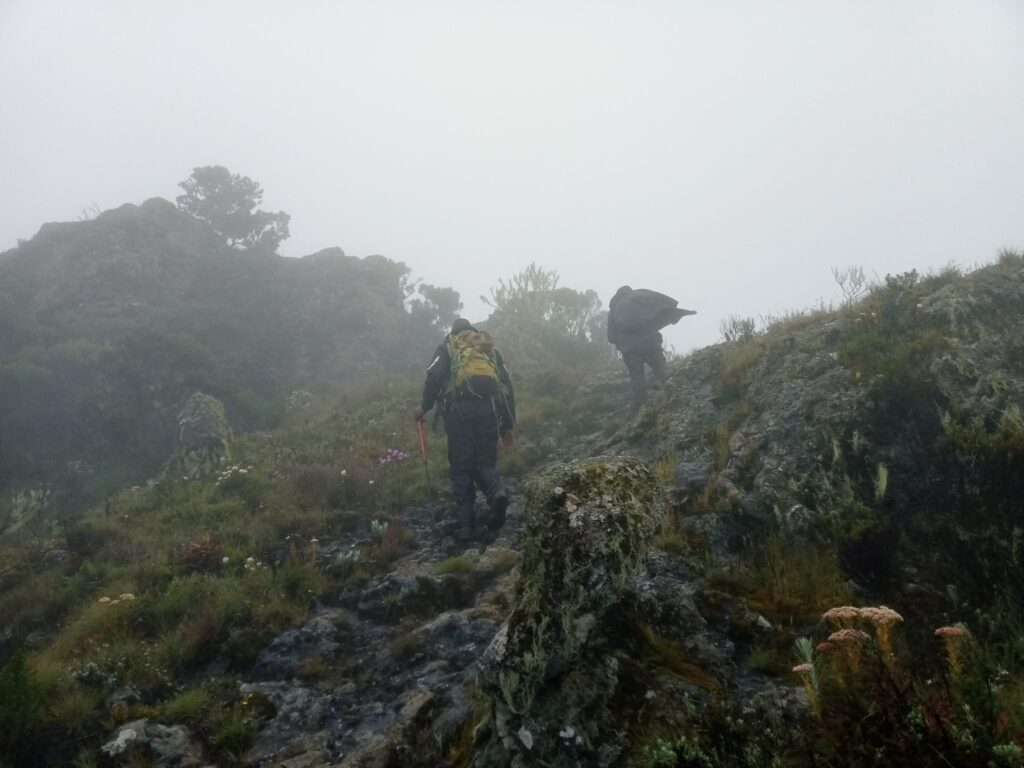
Hiking is the main activity on Mount Hanang. The climb involves steep sections and sustained uphill walking, making it suitable for travellers with a reasonable level of physical fitness and some hiking experience.
Many climbs begin near Katesh and pass through lower vegetation and forested sections before reaching higher, more exposed terrain. The route offers changing scenery throughout the ascent, with increasingly broad views as hikers gain elevation.
Depending on the chosen itinerary, the climb may be organized as a long day hike or a multi-day experience. A local guide is recommended to assist with navigation, assess trail conditions, and help visitors prepare for the mountain’s terrain and changing weather.
Climbers should carry sufficient drinking water, energy-rich food, sturdy hiking boots, warm clothing, and rain protection. Although Mount Hanang is lower than Kilimanjaro, its steep trails and elevation can make the ascent physically demanding.
Summit Views
Reaching the summit of Mount Hanang is a rewarding experience for hikers who enjoy challenging mountain routes. From the upper slopes, visitors can appreciate the mountain’s volcanic features and the expansive plains extending across the surrounding region.
The views reveal a landscape of cultivated fields, rural settlements, and distant hills. Changing light throughout the day can create striking scenery, making the summit and upper ridges particularly appealing to landscape photographers.
Weather conditions can affect visibility, so clear views are never guaranteed. Climbers should follow their guide’s advice when choosing the best time to ascend and descend.
Wildlife and Biodiversity
Mount Hanang supports a range of vegetation types and wildlife habitats across its different elevations. Forested slopes and surrounding natural areas provide shelter for birds, small mammals, insects, and various plant species.
Birdwatching can be an enjoyable activity during the climb, particularly in areas with native vegetation. The mountain’s changing habitats also provide opportunities to observe how plant communities adapt to differences in elevation, temperature, and moisture.
Although Mount Hanang is not primarily a destination for large-animal safaris, its natural environment offers a worthwhile experience for visitors interested in mountain ecology and nature exploration.
People and Culture
The area surrounding Mount Hanang is home to rural communities whose livelihoods are closely connected to agriculture and livestock keeping. Farms and settlements occupy much of the lower landscape, reflecting the importance of the mountain’s surrounding land to local life.
The wider Hanang District is associated with communities including the Iraqw and Barabaig, among others. Visitors may have opportunities to learn about local farming practices, livestock traditions, food, and daily life through respectful cultural visits arranged with local guides or community hosts.
Exploring the area provides a chance to appreciate not only the mountain’s natural scenery but also the cultural diversity of northern Tanzania.
Climate
Mount Hanang experiences changing weather conditions depending on elevation and season. The lower slopes are generally warmer, while temperatures become cooler as hikers ascend. Higher sections can be exposed to wind, mist, and sudden changes in weather.
Rainfall can make trails slippery, particularly on steep sections. Climbers should bring layers of clothing to remain comfortable during both warm periods and cooler conditions near the summit.
Before beginning the ascent, visitors should check the weather forecast and local trail conditions with their guide.
Best Time to Visit
Mount Hanang can be climbed at different times of the year, but the drier months are generally more convenient for hiking.
June to October is often a favourable period because rainfall is usually lower and trails may be easier to navigate. January and February can also provide suitable climbing opportunities, depending on weather conditions.
During rainy periods, the mountain becomes greener, but muddy paths and reduced visibility may make the climb more challenging. It is advisable to arrange the trek with a local guide and confirm current conditions before travelling.
Why Visit Mount Hanang?
Mount Hanang is an excellent choice for travellers seeking a mountain adventure beyond Tanzania’s most famous climbing destinations. Its volcanic landscape, demanding hiking trails, scenic summit views, and nearby rural communities create a varied outdoor experience.
Whether you are interested in reaching the summit, photographing the Great Rift Valley landscape, observing mountain vegetation, or learning about local life near Katesh, Mount Hanang offers a memorable opportunity to explore another side of northern Tanzania.
For hikers looking for a less-crowded alternative to the major mountain routes, Mount Hanang combines physical adventure, natural scenery, cultural discovery, and rewarding panoramic views in one distinctive destination.
