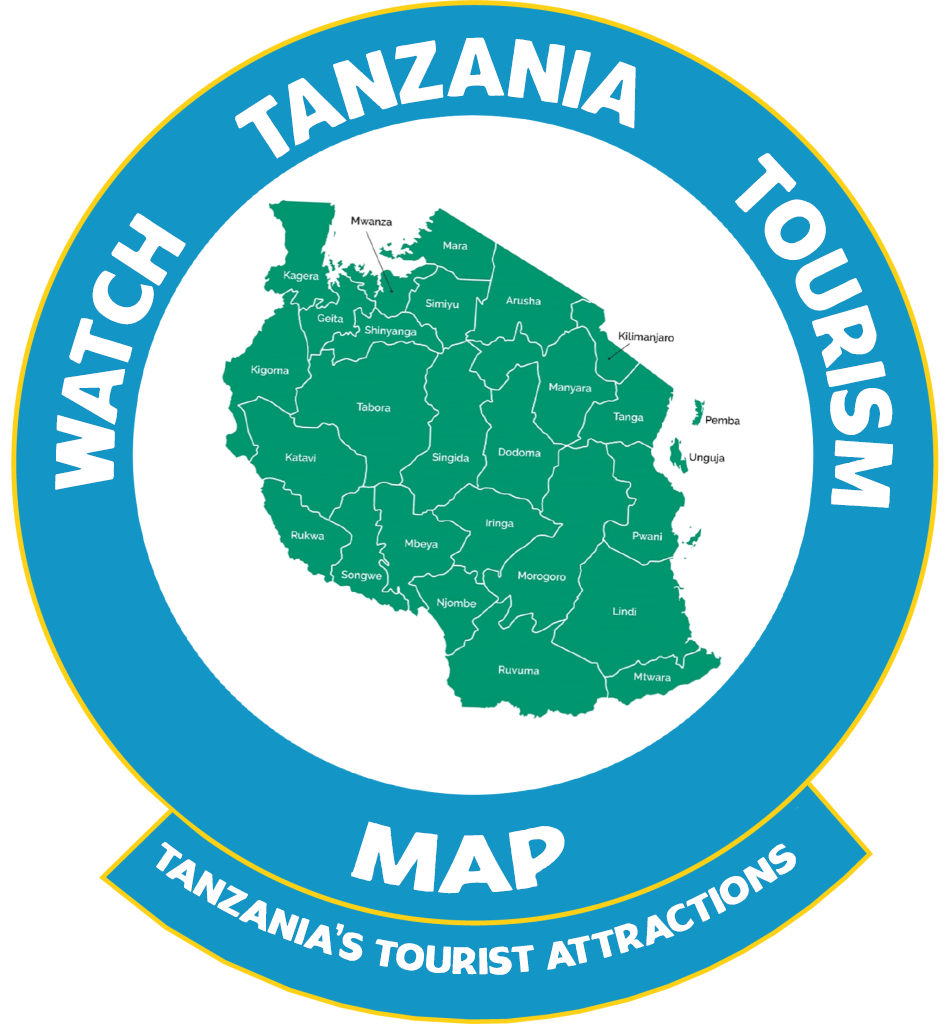
When Is the Best Time to Visit Tanzania?
Planning a holiday in Tanzania is an exciting decision. With its incredible wildlife, beautiful national parks, tropical islands, and breathtaking mountains, Tanzania offers memorable experiences throughout the year. However, the best time to visit depends on what you want to see, the activities you plan to enjoy, your preferred weather, and whether you prefer traveling during the busy tourist season or when fewer visitors are around.
Many travelers choose the dry season, from June to October, for wildlife safaris because animals are often easier to spot around water sources. The period from January to March is also popular, especially for witnessing the wildebeest calving season in the southern Serengeti. However, every season has its own advantages, and Tanzania can be an excellent destination throughout the year.
Whether you are planning a wildlife safari, a beach holiday in Zanzibar, a climb up Mount Kilimanjaro, or a birdwatching adventure, understanding Tanzania’s seasons will help you choose the right time for your trip.
Best Time to Visit Tanzania by Season
Tanzania lies in the Southern Hemisphere, close to the equator. Its climate varies depending on altitude and location, but much of the country experiences distinct dry and rainy periods. Understanding these seasons can help you plan your activities and choose suitable destinations.
1. Dry Season (June to October)
The dry season is one of the most popular times to visit Tanzania. Rainfall is generally low, humidity is lower in many inland areas, and daytime temperatures are often comfortable for outdoor activities.
Wildlife viewing is particularly rewarding during these months because vegetation becomes thinner and animals frequently gather near rivers and waterholes. The Serengeti, Tarangire, and Ngorongoro Conservation Area are excellent destinations for safari enthusiasts. In the northern Serengeti, visitors may also have opportunities to witness wildebeest river crossings, depending on the migration’s location and timing.
This period is also suitable for climbing Mount Kilimanjaro, exploring national parks, and enjoying Zanzibar’s beaches. However, it is a busy travel season, so accommodation and safari bookings should be arranged well in advance.
2. Short Rainy Season (November to December)
The short rains usually arrive in November and may continue into December, although their timing and intensity vary from year to year. Rain often comes in brief showers, leaving plenty of opportunities for wildlife viewing and outdoor exploration.
The landscape begins to turn green, flowers appear, and the countryside becomes more attractive for photography. Migratory birds also arrive, making this a rewarding period for birdwatchers.
Visitor numbers may be lower than during the peak dry season, particularly outside the Christmas and New Year holidays. This can offer a more relaxed safari experience, although occasional rain may affect some activities and road conditions.
3. Hot and Relatively Dry Season (January to February)
January and February are generally warm months in many parts of Tanzania, with local conditions varying according to altitude and region. These months are especially popular for travelers interested in wildlife, photography, and mountain climbing.
The southern Serengeti and Ndutu area are well known for the wildebeest calving season, when large numbers of wildebeest give birth to their young. This attracts predators such as lions, cheetahs, and hyenas, creating excellent opportunities to observe wildlife interactions.
The warm weather is also suitable for beach holidays in Zanzibar, although humidity can be high and occasional showers may occur. Travelers planning to climb Kilimanjaro can also consider this period, particularly when conditions are favorable.
4. Long Rainy Season (March to May)
The long rains generally occur from March through May. Rainfall can be frequent and heavy, particularly in April, while temperatures in some areas become more moderate. The countryside becomes lush and green, creating beautiful scenery for nature lovers and photographers.
This season can be rewarding for birdwatching, landscape photography, and travelers who prefer quieter destinations. Safari parks may have fewer visitors, and some accommodation providers offer lower seasonal rates.
However, heavy rain can make certain roads muddy or difficult to access, and some camps may close temporarily. Wildlife viewing remains possible, but itineraries may require greater flexibility. Travelers considering a safari during these months should work with an experienced local operator who understands seasonal road conditions and wildlife movements.
Best Time to Visit Tanzania by Activity
The right time to visit Tanzania also depends on the experiences you want to enjoy. Some activities are available throughout the year, while others are more rewarding during particular months.
Best Time for a Wildlife Safari
Tanzania offers wildlife safaris throughout the year, but the dry season from June to October is often preferred for general game viewing. Shorter vegetation and reduced water availability in some areas can make animals easier to locate.
The northern safari circuit, including Serengeti National Park, Tarangire National Park, and Ngorongoro Crater, offers excellent wildlife opportunities. During the green season, the scenery becomes more vibrant, young animals can be seen in some areas, and birdlife becomes particularly abundant.
The best safari period ultimately depends on the park you plan to visit and the wildlife experiences you want to prioritize.
Best Time to See the Great Wildebeest Migration
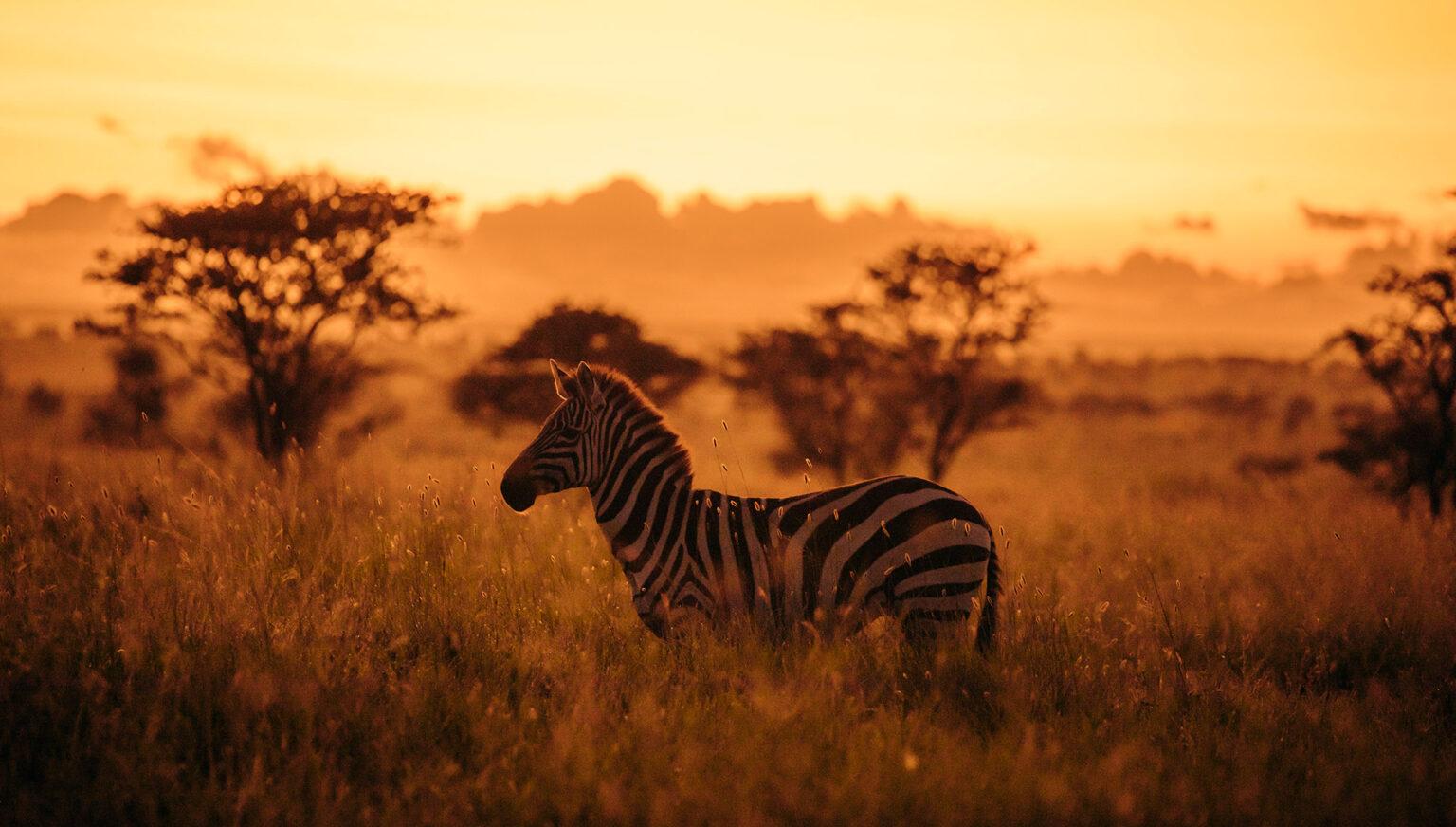
The Great Wildebeest Migration moves through the Serengeti ecosystem throughout the year. Its location changes as herds follow rainfall and fresh grazing, so there is no single month that guarantees the best experience everywhere.
- January to March: The southern Serengeti and Ndutu area are important calving grounds, offering opportunities to see newborn wildebeest and predators.
- April to May: Herds generally begin moving away from the southern plains as seasonal conditions change. Rain can affect road access.
- June to July: Many herds move through the western and central Serengeti, with river crossings possible in some locations.
- July to October: The northern Serengeti and Mara River area can offer opportunities to witness dramatic river crossings, although their timing and location are unpredictable.
- November to December: Herds often move back toward the eastern and southern plains as fresh grazing becomes available.
If witnessing the migration is your main priority, choose your travel dates according to the expected location of the herds and allow some flexibility in your itinerary.
Best Time for Birdwatching
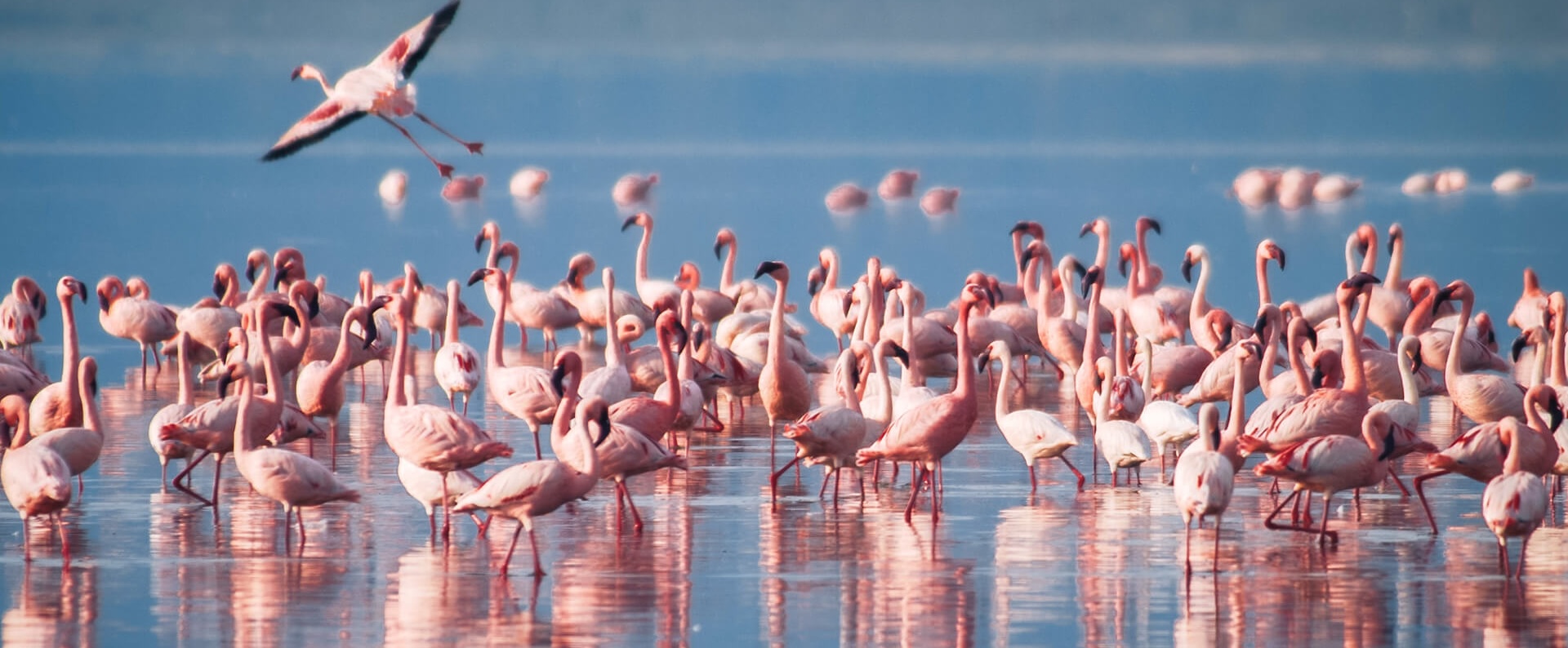
Birdwatching is possible throughout the year, but November to April is particularly rewarding because many migratory birds are present. During this period, the landscapes are often greener, and many resident species are breeding or displaying.
Tanzania’s diverse habitats support a wide variety of birdlife, from wetlands and lakes to forests, grasslands, and coastal environments. Lake Manyara, the Serengeti, Tarangire, and the wetlands around Lake Victoria offer interesting birdwatching opportunities.
The dry season can also be productive, especially around water sources where birds gather. The best months depend on the species you hope to observe.
Best Time for Diving and Snorkeling
Tanzania’s coast and islands offer diving and snorkeling opportunities throughout much of the year. Conditions depend on the location, sea state, tides, visibility, and weather.
June to October is generally a favorable period for many coastal activities, with relatively dry weather and comfortable temperatures. January and February can also be excellent for swimming, snorkeling, and diving in suitable conditions.
The long rains, particularly April and May, may bring rougher seas, reduced underwater visibility, and temporary disruptions to excursions. If diving is a major part of your holiday, check local marine conditions and seasonal operator schedules before booking.
Best Time to Visit Zanzibar
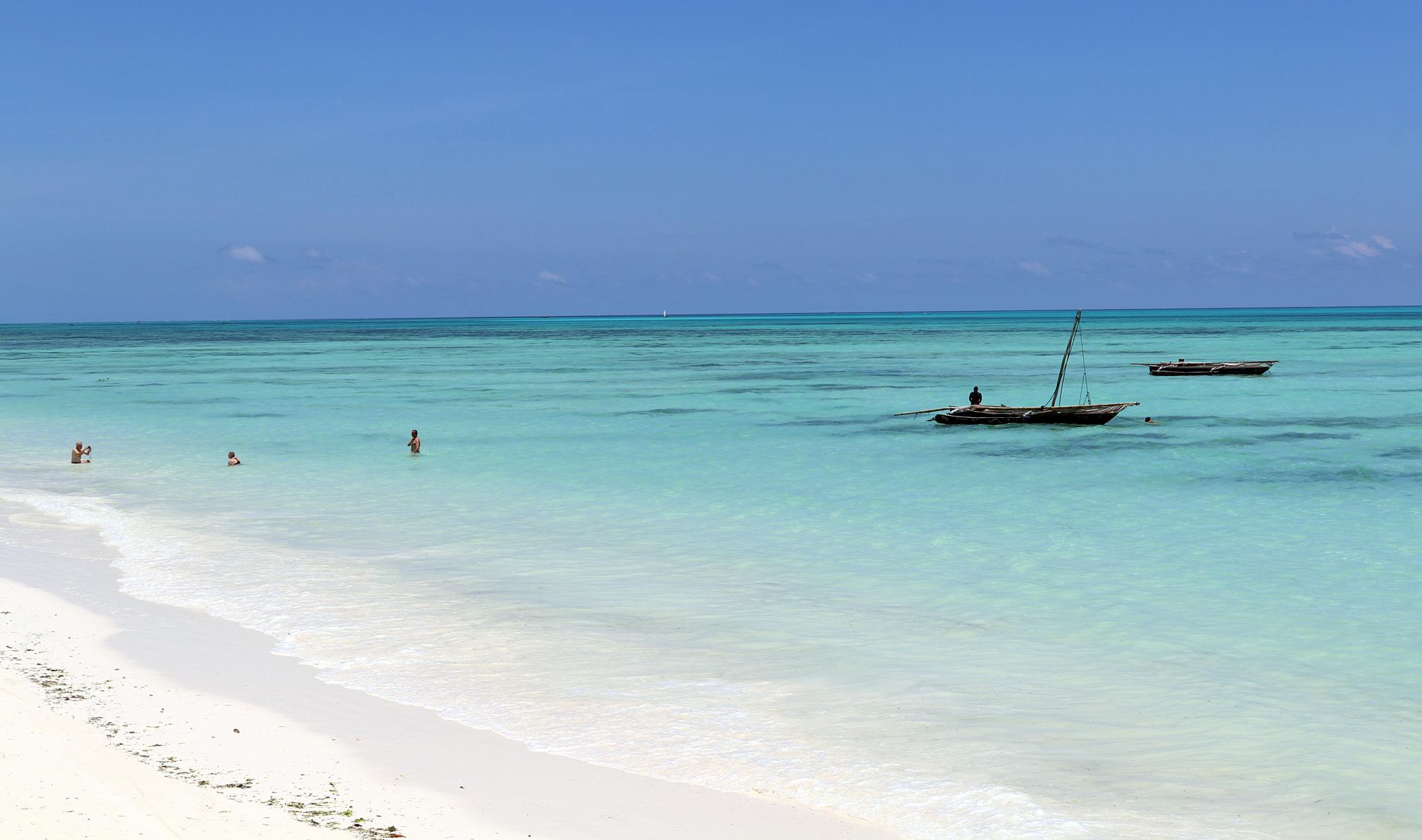
Zanzibar is a year-round beach destination, but June to October is often recommended for travelers seeking relatively dry weather and comfortable temperatures. These months are ideal for relaxing on the beach, exploring Stone Town, taking spice tours, and enjoying boat trips when sea conditions permit.
January and February are also popular for warm-weather holidays, swimming, snorkeling, and diving. Temperatures are usually higher, and humidity can be noticeable.
March to May is the main rainy period, with April often experiencing substantial rainfall. November and December bring shorter rains, although sunny periods are still common. For the best experience, consider your preferred weather and the specific activities you want to enjoy.
Best Time to Climb Mount Kilimanjaro
Mount Kilimanjaro can be climbed throughout the year, but January to early March and June to October are commonly preferred periods. These months often provide more favorable conditions for trekking, although weather on the mountain remains unpredictable.
January and February are generally warmer, while June to October is often cooler and drier. Both periods can offer rewarding climbing experiences, depending on the route and daily weather conditions.
The long rains from March to May and the shorter rains around November can make trails wetter and more challenging. Nevertheless, experienced trekkers may still consider these months with appropriate preparation.
Remember that temperatures drop significantly with altitude. Even when the foothills are warm, the summit can be below freezing, so suitable clothing, gradual acclimatization, and a qualified mountain crew are essential.
Best Time to Visit Tanzania by Region
Tanzania has varied landscapes and climatic conditions. The weather you experience in the Serengeti may differ considerably from conditions along the coast or on Mount Kilimanjaro.
Northern Tanzania
The northern circuit includes Serengeti National Park, Ngorongoro Conservation Area, Tarangire National Park, Lake Manyara National Park, and Arusha National Park.
June to October is a popular period for general wildlife viewing, while January to March is especially attractive for the wildebeest calving season in the southern Serengeti. The rainy months offer greener scenery and excellent birdwatching opportunities, although road conditions can vary.
Southern Tanzania
Southern Tanzania includes destinations such as Nyerere National Park, Ruaha National Park, Mikumi National Park, and Udzungwa Mountains National Park.
The dry season, particularly June to October, is generally favorable for wildlife viewing because animals often concentrate near available water. Access and camp operations can vary by park and season, so check local conditions before traveling.
The rainy season brings lush vegetation and flowing rivers but may make some remote roads difficult to navigate.
Western Tanzania
Western Tanzania is known for remote wilderness areas, including Mahale Mountains National Park, Gombe Stream National Park, and Katavi National Park.
The drier months are generally preferred for accessing many of these destinations. Mahale and Gombe are particularly associated with chimpanzee trekking, while Katavi offers a remote safari experience. Access to some parks and camps is seasonal, so advance planning is important.
Coastal Tanzania and the Islands
The mainland coast, Zanzibar, Pemba, and Mafia Island experience warm, humid conditions for much of the year. June to October is generally a favorable period for beach holidays, while January and February are also popular.
The main rainy season can bring heavier rainfall and rougher sea conditions. Travelers planning diving, snorkeling, boat trips, or island excursions should confirm local conditions before departure.
What Is the Cheapest Time to Visit Tanzania?
Travel costs depend on your destinations, accommodation level, transport, and travel dates. The long rainy season, particularly April and May, may offer lower rates at some lodges, camps, and hotels because fewer tourists visit.
The dry season and popular wildlife periods tend to attract greater demand, so accommodation and safari prices may be higher. Christmas, New Year, and other peak travel dates can also be expensive.
If you want to balance cost, weather, and wildlife viewing, consider traveling in the shoulder season. Depending on your itinerary, late May, June, or November may offer a useful balance, although conditions and prices vary by destination.
So, When Should You Visit Tanzania?
There is no single best time to visit Tanzania because every season offers something different.
- For general wildlife safaris: June to October.
- For the wildebeest calving season: January to March.
- For possible Mara River crossings: July to October, depending on herd movements.
- For birdwatching: November to April.
- For Zanzibar beach holidays: June to October or January to February.
- For Mount Kilimanjaro climbing: January to early March or June to October.
- For greener landscapes and potentially fewer visitors: The rainy seasons, with suitable planning.
The best choice depends on your interests, budget, and preferred travel style. With the right itinerary, Tanzania can provide remarkable experiences in every season, from exciting wildlife encounters and mountain adventures to peaceful beaches and cultural discoveries.
Plan Your Tanzania Holiday
Not sure when to travel? Our Tanzania safari specialists can help you choose the right season, destinations, and activities for your trip. Whether you are planning a wildlife safari, a Kilimanjaro climb, or a relaxing Zanzibar holiday, we can help you create an itinerary suited to your interests and budget.
