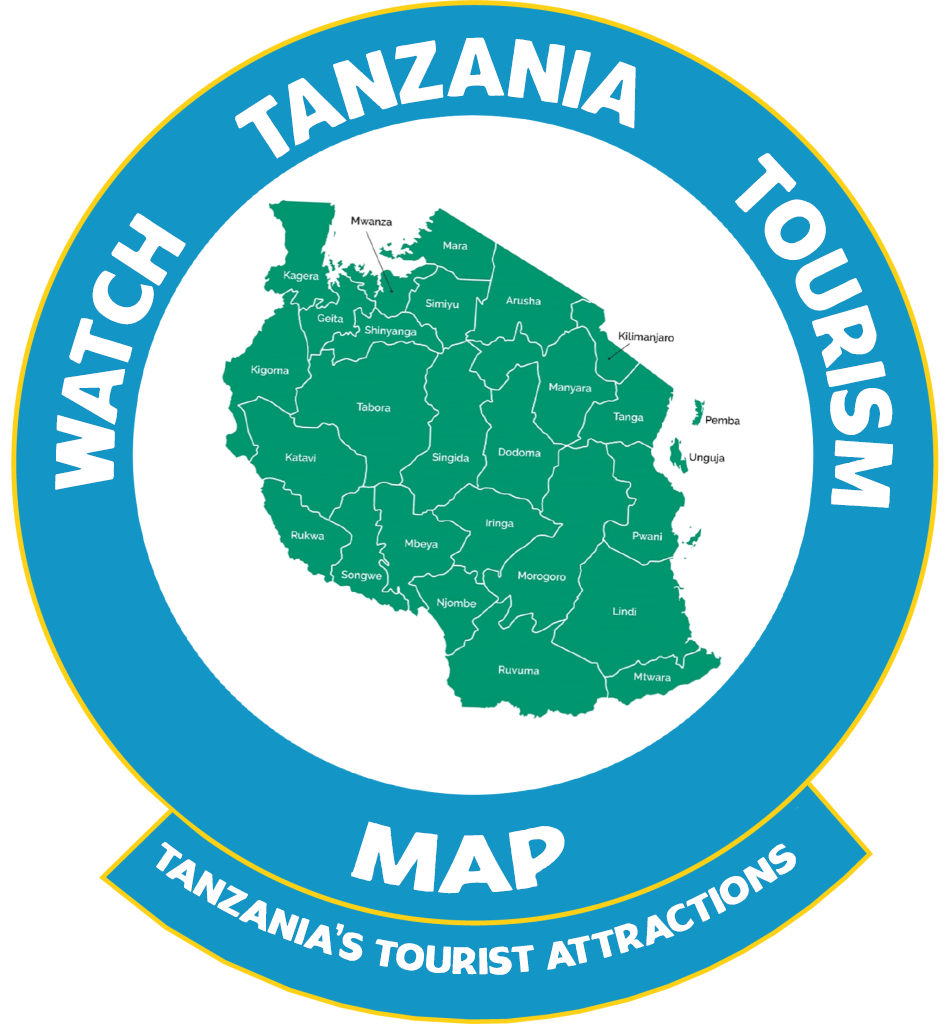
Eastern Zone Regions
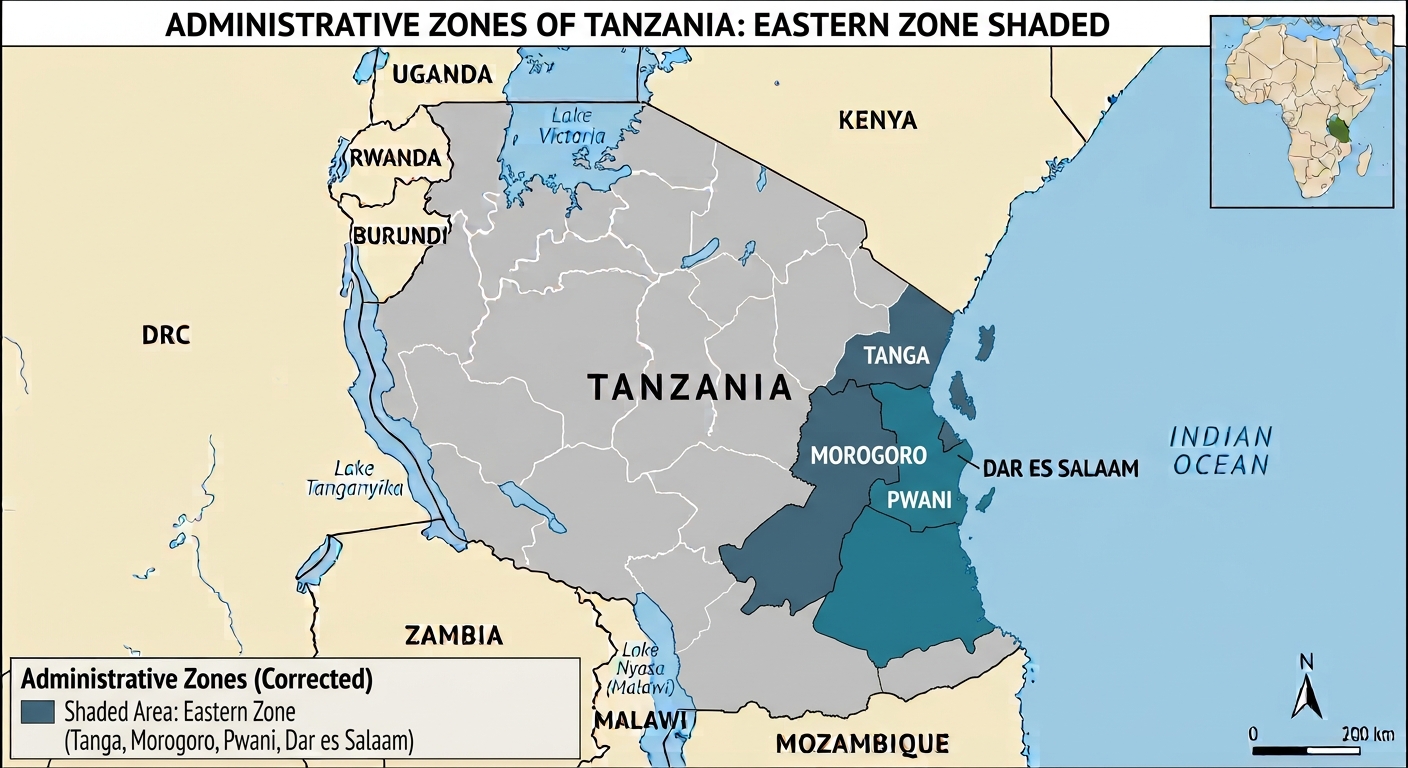
Eastern Zone Regions covers mainly the eastern parts of Tanzania – including, Tanga Region (Although sometimes treated to be located in Northern zone regions), Dar es Salaam Region, Pwani (Coast) Region, Morogoro Region, and Zanzibar Islands.
- Pwani (Coast) Region
- Dar es – Salaam Region
- Morogoro Region
- Zanzibar Islands
- Tanga Region
Pwani (Coast) Region Profile (Fast Facts) & Map/ Main places
- Bagamoyo
- Chalinze
- Kibaha Urban
- Kibaha Rural
- Kisarawe
- Mafia
- Mkuranga
- Rufiji
- Kibiti
Pwani (Coast) Region in Brief:
- Pwani (Coast) Region is one of Tanzania’s 31 administrative regions with the total area of 32,547 Sq.km (12,566 sq. mi). The regional capital is Kibaha town council.
Population:
- According to the 2012 national census, the region had a population of 1,098,668. From 2002 to 2012, the region’s 2.2 percent average annual population growth rate was the seventeenth highest in the country. It was also the 21st most densely populated region with 34 people per square kilometer.
Borders:
- The Pwani (Coast) Region is bordered by Tanga Region to the north, Dar es Salaam Region and the Indian Ocean to the east, to the south by the Lindi Region, and Morogoro to the west.
Districts & Populations:
- Bagamoyo (311,740), Kibaha TC (128,488), Kibaha DC (70,209), Kisarawe (101,598), Mafia 46,438), Mkuranga (222,921), Rufiji (217,274).
Tourism Attractions in Pwani (Coast) Region
- Historical Town of Bagamoyo
- Selous Game Reserve (currently upgraded as J.K. Nyerere National Park, and the largest national park in Tanzania and Africa
- Wami River
- Kaole Ruins
- Saadani National ParkMafia Island
- Rufiji River
Dar es Salaam Region Profile (Fast Facts)/ Main places to see
- Ukonga
- Ilala
- Segerea
- Temeke
- Kigamboni
- Mbagala
- Kawe
- Ubungo
- Kibamba
- Kinondoni
Dar es Salaam Region in Brief:
- Dar es Salaam, literally “the haven of Peace,” or simply Dar, formerly Mzizima) is Tanzania’s largest and richest city, the largest city in eastern Africa by population, and is a regionally important economic centre. The city is the largest and most populous Swahili speaking city in the world. It is the capital of the Dar es Salaam Region administrative province and consists of three administrative districts; northern Kinondoni, central Ilala, and southern Temeke. The area of Dar es Salaam Region is 1,393 Sq.km, and this make Dar es Salaam to be the smallest region in Tanzania by an area. During German occupation in the early 20th century, Dar es Salaam was the centre of colonial administration and the main contact point between the agricultural mainland and the world of trade and commerce in the Indian Ocean and Swahili coast. Remnants of a colonial past, both British and German, can still be seen in landmarks and architecture around the city. The National museum, the village museum, and many landmarks, including St Joseph’s Cathedral, the White Father’s Mission House, the Botanical Gardens, and the Old State House make for an interesting walking tour around the waterfront and city centre. There is a fusion of cultural influences; Arab, Indian, German and British influences can be found in the city’s architecture. Dar es Salaam is Tanzania’s most prominent city in arts, fashion, media, music, film and television. Down at Kariakoo, cheerful Tinga Tinga paintings are stacked next to folded piles of Khangas and kitenges, traditional medicines sit alongside near pyramids of fruits and vegetables as shopkeepers sell their goods. Tourists are well catered for, with a choice of accommodation for all budgets, from backpacker hostels to five star hotels. For the business traveler, there are a number of hotels offering world class conference and accommodation facilities. There is a wide array of restaurants offering Thai, Indian, Italian, Japanese, Ethiopian cuisine and more. Of course, you can also find local restaurants serving chips (French fries), ugali and nyama choma (freshly grilled meat). If you are a street foodie you can try the mishkakis (grilled beef or chicken skewers) and fried Muhogo (tapioca) clipped in spicy chili sauce sold at the street kiosks at the Oysterbay Beach located on the peninsula. Dar es Salaam has an electric live music scene. Traditional taarab orchestras rub shoulders with dance bands playing jazz, salsa, and afro funk. Rap, hip – hop and bongo flava artists collaborate and perform around the city. For the art and history aficionados, the National Museum, Botanical Gardens and Village Museum are another diverting way to spend a day, tracing the history of Tanzania, from prehistoric fossils through to the relics of colonialism. Beyond the museums, music and art found in the city centre, visitors could cross over to Kigamboni by a 10 minutes ferry ride where they spend the morning at the waterpark or just relax and catch a tan at the popular Mikadi Beach. Dar has its own selection of spectacular beaches at Kunduchi, Mji mwema and Jangwani. At Jangwani, there is snorkeling and diving on offer, with the chance to see tuna, Kingfish and even the white tipped reef shark.
25 Fun Things To do in Dar es Salaam.
Bongoyo Island:
- Bongoyo Island is a small island off the coast of Dar es Salaam that makes a fantastic day trip of lazying on the beach, snorkeling and dining on fresh fried fish and chips. Since becoming a marine reserve a few years ago, fees have severely increased, but it is still worth it. Get to the island by taking a boat from the Slipway Shopping Center.
TingaTinga Art Center:
- Tanzanians have long been famous around Africa for their art work (even on the streets of Dar). The modern movement of Tingatinga painting is one of the favorite styles of Tanzania art. An artistic movement that began with Edward Said Tingatinga, the style is characterized by extremely bright oil colors and animated imaginative figures. The Tingatinga center is a rainbow of color and artistic inspiration. You can browse around and buy anything you see.
Coco Beach on the weekends:
- Coco Beach, also known as OysterBay, is a stretch of beach located on the Msasani Peninsula of Dar es Salaam. If you are looking for fun things to do, head over to Coco Beach on the weekend when it is packed full of local Tanzanians and Asians. There are plenty of street food snacks and sometimes live music. The open area is also a place where frequent concerts and parties take place – check the city events guide. Swimming is not really recommended at Coco Beach, though some choose to wade in the water.
Askari Monument:
- One of the most well – known historical statues of significance in Dar es Salaam is Askari Monument. Depicting a soldier with his bayonet pointing to the harbor, the monument is a reminder of the soldiers that fought as the Carrier Corps in world war I. The cast bronze Askari Monument is supposedly located in the precise center of Dar, in the middle of the round about that bisects Samora Avenue with Maktaba Street.
Tanzanian Beverages:
- Everywhere you travel you will encounter a new and unique set of local beverages. When you are in Tanzania you may want to sample the selection of locally brewed beer, have a few cups of Dar street coffee and especially guzzle a pungent Stoney Tangawizi.
National Museum:
- If you want to learn more about the history and culture of Tanzania or see some of the fossils that have been uncovered in the country, you will be interested in visiting the National Museum.
Mwenge Carvers Village:
- Located on the outskirts of town, Mwenge carvers’ village is a great attraction in Dar es Salaam if you are in the market for Tanzanian souvenirs. Though there is a lot of the same – same type of things, if you take the time to browse around you will come away with some unique and quality Tanzanian handicrafts.
Zanzibar Mix:
- There is one dish in Dar es Salaam that is rare, but is a gem of an example of an expertly prepared dish that sums up the realm of cultures and traditions of the city: Zanzibari Mix. Zanzibar Mix is incredible – a comforting combination of deep fried fritters in a coconut milk curry and garnished with fresh chutneys and chili sauce.
North Beach – Jangwani and Mbuja Island
- North of Dar es Salaam there are a few lovely beaches and islands to enjoy as well. From White Sands Hotel in Jangwani, you can take a boat to Mbuja island, a great place to unwind and eat freshly caught Indian seafood.
Indian Food:
- With a sizable population of Indians, there is a decent selection of delicious Indian food available (just like with Kenyan food). The Upanga area, in central Dar, is one of the best areas of town to locate good Indian food.
Pugu Hills Nature Reserve:
- Pugu Hills is a designated nature reserve located around 25 Kilometers from the center of Dar es Salaam. Along with an opportunity to hike the trails, you can also choose to bird watch or visit the cave which is famous for its colony of bats. You can either get to Pugu Hills on your own or take a day tour.
Kariakoo Market:
- One of the busiest and most thrilling markets in Dar es Salaam is the local Kariakoo market. This is the place to go if you are hunting for the best bargains in town or wish to see the authentic side of local style Tanzanian shopping. Make sure you haggle to get the best deals. Be cautious with your money and possessions as Kariakoo is a bustling crowded place.
Temple Road:
If you are walking around downtown, take a stroll down Temple Road where you will find a selection of religious temples. There is not much else to do, but you can visit a few of the temples and have a look around.
Kanga shopping – Uhuru St
- A popular thing to buy in Dar es Salaam are the colorful pieces of wrap around cloth known as Kangas. These brightly dyed rectangles of fabric are available in infinite colors, with infinite patterns and often include a message written in Kiswahili. Head over to Uhuru street in down town for a huge selection of Kangas.
Azania Lutheran Church:
- Originally built by German Missionaries in Tanzania, the Azania Lutheran Church is an iconic structure located at Dar es Salaam’s harbor front. From the cathedral you will have easy access to other tourist attractions around town.
Nyama Choma:
- Just like in neighboring Kenya, nyama choma (roasted meat – often goat) is wildly popular and incredibly delicious. Go to a local restaurant, order your choice of meat and wait for it to slowly roast. In Tanzania, nyama choma is served with a few chillies and sometimes tomatoes and red onion garnish. Many Tanzanians choose to wash down their nyama choma with a few beers.
Tanzania Street Food
- Whether it is roasted maize or mama cooked Tanzanian chapatis, also try Mishkaki which is the Tanzanian version of meat on a stick – street style shish kebabs!
South Coast Beaches
- There are a number of hotels that you can visit, or you can rent your own personal banda thatch covered hut for the day. The lanky palm trees rustling in the breeze and the rhythmic wash of waves makes spending a day on the South Coast Beaches one of the most relaxing things to do. One of the best things to do is to go horse riding on one of the best beaches you will ever encounter. The Dar Horse Club is located near the world famous Ras Kutani Resort. Get there by personal vehicle or by local daladala minivan. You will need to cross to the Kigamboni side of Dar by taking the ferry across the port.
Swahili Delicacies
- Only open in the evenings Mamboz is famous for its barbeque chicken and chips, located on Libya street in the centre of Dar. Other places to try matoke (green banana) are chef’s pride (Chagga Street Central Dar) or Jamaa Restaurants (One located near Askari Monument the other, one block from Azam Zanzibar Ferry Terminal).
Night Life
- The Good, the Bad and the Funky – there are two spots that have risen in statures as the best places to enjoy the evening with a bunch of mates; Dar Live and DAR LIVE has a Zanzibar feel to it, being on the beach, and is open and very casual. The bar is on the beach, nestled among Dhow furniture in a most rustic fashion, open throughout the week. Runway is the opposite, a modern up class liquor lounge, styled in the latest international chic design. Best to go are Saturdays and Sundays. The George and Dragon has a very strong expat following with various activities every night to keep anyone entertained. Club Maisha has a more local following and is the leading Night Club in term of strobe lights, dance floor and multilevel facility. Latest on the block and with the best views of Dar by night is High Spirit Bar, Lounge & Night Club located on the roof top of IT plaza Ohio Street.
Village Museum
- More of a hand on than the National Museum, the village museum offers a chance to observe a number of typical style Tanzanian traditional huts and learn more about the tribes of the country. Dance and drum performances are held in the evenings on weekends.
Dar es Salaam Fish Market
- One of the favorite things to do is wake up early in the morning and wander around the Dar fish market. People gather from around the city to purchase the fresh catch of the day. Arrive at around 6.30 am to catch the mot energized fish auctions taking place.
Bagamoyo Town
- Similar to Mombasa or Lamu. Bagamoyo town located north of Dar es Salaam, is an ancient East African trade port. The town has been influenced by Arabs and Indians to create a uniquely Swahili culture. On a day trip to Bagamoyo, you can visit ancient ruins, old churches and mosques and tour one of Tanzania’s only college of arts known as Chuo Cha Sanaa Bagamoyo. If you don’t have your own transportation, you can get to Bagamoyo by local bus or by taking a day tour.
The Slipway
- The slipway is Dar es Salaam’s premier shopping and leisure centre. Here, you can shop, drink, dine or watch the sunset over the Indian Ocean. Parents can set their children loose in around waterfront playground and travelers can relax in lovely hotel rooms.
Fishing
- Latham Island (Fungu Kisim Kasi) is a small, uninhabited oceanic island. The island and its associated reefs stick out the Indian Ocean in the middle of nowhere an insignificant pinhead in the Indian Ocean. This structure promotes currents, and provides haven for baitfish and their predators and is thus a great big game fishing destination. The island lies 45 nautical miles East of Dar es Salaam so may be fished on a day trip or more advisably on an overnighter, during which the adventurous angler can try to the mighty Broadbill Swordfish. There are several charter operators out of Dar, and they generally fish at Latham itself or for shorter and cheaper outings, work the Zanzibar channel. Both fisheries can provide exciting sport – offering chances at Black and Striped Marlin, Sailfish, Wahoo, Yellow fin such as Grouper and Red Snapper, and many more. It is an angler’s paradise. If you have a day off in Dar and love to hear a big real scream, don’t hesitate to take off into the blue water, it’s right at your feet.
Morogoro Region Profile (Fast Facts) & Map/ Main places
- Morogoro Urban
- South Morogoro
- South East Morogoro
- Gairo
- Mvomero
- Mikumi
- Kilombero
- Mlimba
- East Ulanga
- West Ulanga
- Kilosa
Morogoro Region in Brief
Morogoro is well known from 19th century literature as the gateway through which traders from Zanzibar passed inland to collect ivory, slaves and gum copal. According to Stanley, who passed through Morogoro in his search for David Livingstone, one of the Sultans of Zanzibar created a fortress here, only to have it washed away by flooding. In 1885, this region became part of German East Africa and was exploited for its natural resources; timber, semi – precious stones and minerals(camelian, quartz crystal, ruby, tourmaline and mica in particular). A variety of specialized crops were attempted on the lower slopes. Morning side, a once productive farm on Uluguru north, dates from this time, and lies on the intermediate level of the mountain side facing west.
