
Let’s Explore
Livingstone Mountains
Livingstone Mountains
The Livingstone Mountains are a scenic mountain range in southwestern Tanzania, known for their forested slopes, steep ridges, cool highland climate, and spectacular views overlooking Lake Nyasa, also known as Lake Malawi. The range forms part of the southern highlands of Tanzania and contributes to the region’s rich natural landscapes and biodiversity.
The mountains offer a distinctive experience for travellers interested in hiking, nature exploration, birdwatching, and rural culture. Their combination of highland forests, agricultural communities, dramatic escarpments, and views across the lake makes them an appealing destination for visitors looking to discover lesser-known parts of Tanzania.
Location
The Livingstone Mountains are located in southwestern Tanzania, mainly within the Mbeya Region, along the northeastern side of Lake Nyasa. They form part of the mountainous landscape surrounding the northern end of the lake and extend through areas of highland terrain overlooking the water.
The range lies near the Kitulo Plateau and the wider southern highlands, although these are distinct landscapes with their own natural features. Nearby settlements and roads around Kyela and the northern Lake Nyasa area provide access to parts of the surrounding region.
The location of the Livingstone Mountains makes them an interesting addition to journeys through southern Tanzania, particularly for travellers exploring Lake Nyasa, the southern highlands, and nearby natural attractions.
Mountain Landscapes
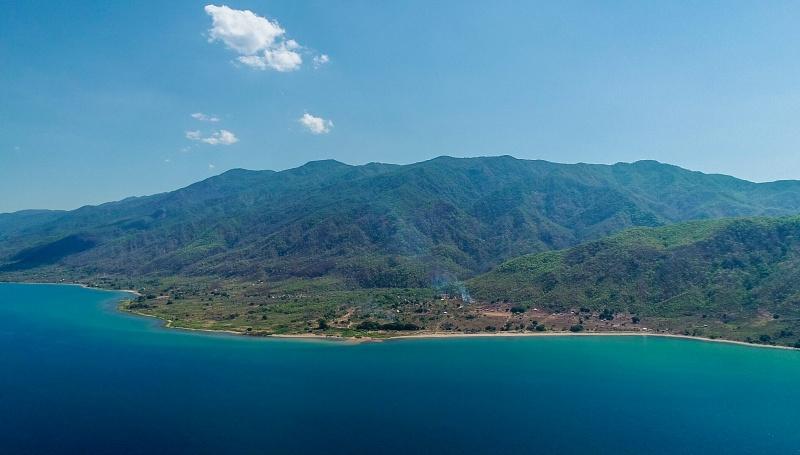
The Livingstone Mountains are characterized by steep slopes, forested hillsides, rocky ridges, and deep valleys descending toward Lake Nyasa. The contrast between the highlands and the blue waters below creates some of the region’s most impressive scenery.
Vegetation changes with elevation, rainfall, and land use. Natural forest areas provide important habitats for wildlife, while cultivated slopes and rural settlements reflect the role of agriculture in the local landscape.
From suitable viewpoints, visitors can enjoy wide views across Lake Nyasa and the surrounding mountains. The combination of highland scenery and lakeside landscapes gives the range a distinctive character compared with Tanzania’s volcanic peaks.
Lake Nyasa Viewpoints
One of the most appealing features of the Livingstone Mountains is their position above Lake Nyasa. The steep terrain creates elevated viewpoints overlooking the lake, its shoreline, and the surrounding highlands.
These landscapes are particularly attractive to photographers and travellers who enjoy scenic walks. Depending on the location and weather, visitors may see the lake stretching toward the horizon, with mountain slopes descending toward lakeside settlements and agricultural areas.
Exploring these viewpoints provides a different perspective on Tanzania’s natural beauty, combining mountain scenery with one of East Africa’s largest lakes.
Hiking in the Livingstone Mountains
Hiking provides an opportunity to explore the Livingstone Mountains more closely. Walking routes through the surrounding highlands can pass through villages, cultivated land, forested areas, and elevated viewpoints.
The terrain varies considerably, with some routes involving steep ascents and uneven paths. Visitors should choose hikes according to their fitness level and available time, particularly when exploring less-developed trails.
Arranging a local guide is recommended for unfamiliar routes. A guide can assist with navigation, explain the local environment, and help visitors understand the cultural and agricultural practices of nearby communities.
Because hiking infrastructure may be limited in some areas, visitors should organize transport, water, food, and route arrangements before setting out.
Wildlife and Biodiversity
The Livingstone Mountains form part of a wider region with varied habitats, including montane vegetation, forest patches, and highland agricultural landscapes. These environments support different bird species, insects, plants, and other wildlife.
Birdwatching can be rewarding in areas where natural vegetation remains, while forest habitats are important for maintaining local biodiversity and protecting water sources.
The mountains are also part of the broader ecological landscape surrounding Lake Nyasa, a lake internationally recognized for its remarkable aquatic biodiversity. However, the lake’s fish diversity is distinct from the terrestrial wildlife found on the mountain slopes.
People and Culture
Communities living around the Livingstone Mountains depend on agriculture, livestock keeping, fishing in nearby areas, and other local livelihoods. Farms and settlements occupy many of the lower slopes and valleys, where the climate and available land support different crops.
Visitors may have opportunities to experience village life, learn about local farming methods, and discover how communities adapt to the steep terrain and changing highland conditions.
The nearby Lake Nyasa region also has strong cultural connections to fishing and lakeside life. Exploring both the mountains and the surrounding communities provides a broader understanding of the area’s natural resources and traditions.
Climate
The Livingstone Mountains experience cooler conditions at higher elevations than the lakeshore and surrounding lowlands. Temperatures and rainfall vary with altitude, exposure, and season.
The wetter months bring greener vegetation and increased water flow, while cloud and mist may sometimes reduce visibility across the lake. Higher slopes can also become slippery after rainfall.
Visitors planning outdoor activities should bring suitable walking shoes, layered clothing, and rain protection. Checking local weather conditions before hiking is particularly important when exploring steep or unfamiliar terrain.
Best Time to Visit
The Livingstone Mountains can be explored throughout the year, although the drier months are generally more convenient for hiking and enjoying panoramic views.
June to October is often a suitable period for outdoor activities because rainfall is typically lower. The months around January and February may also offer opportunities to explore, depending on local weather conditions.
During the rainy season, the surrounding vegetation becomes greener, but muddy paths, heavy showers, and cloud cover may make some routes more difficult. Visitors should check local conditions and arrange guidance before planning longer hikes.
Why Visit the Livingstone Mountains?
The Livingstone Mountains offer a rewarding destination for travellers looking beyond Tanzania’s better-known safari parks and climbing routes. Their elevated position above Lake Nyasa, dramatic mountain slopes, rural communities, and natural habitats create opportunities for scenic exploration and cultural discovery.
Whether enjoying views across the lake, hiking through the highlands, observing birds, or learning about local livelihoods, visitors can experience a quieter and less-explored side of southwestern Tanzania.
For travellers interested in combining mountain scenery with lakeside landscapes, the Livingstone Mountains offer a distinctive experience built around nature, hiking, culture, and panoramic views of Lake Nyasa.
