
Let’s Explore
Pare Mountains
Pare Mountains
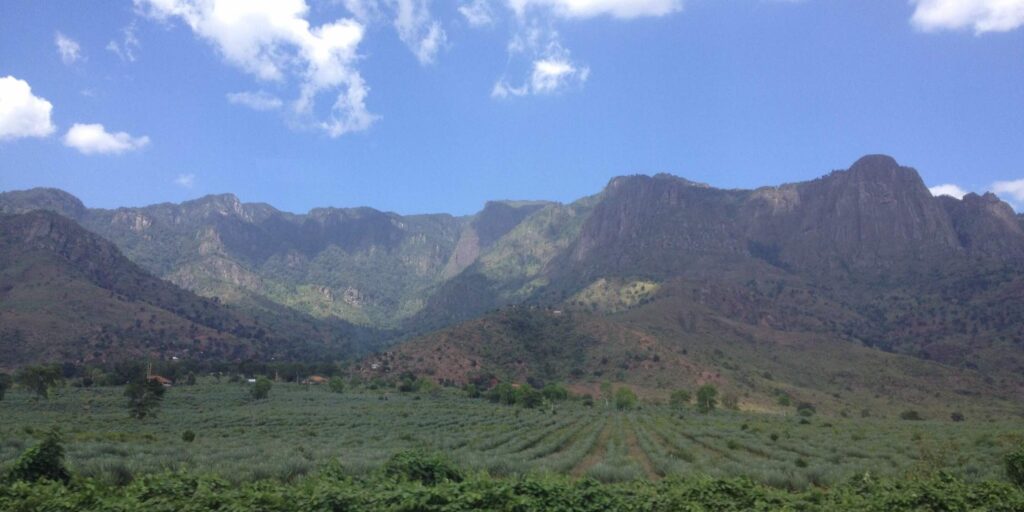
The Pare Mountains are a scenic mountain range in northeastern Tanzania, known for their green hills, forest patches, traditional villages, terraced farms, and panoramic views of the surrounding plains. They form part of the Eastern Arc Mountains, an ancient mountain chain recognized for its rich biodiversity and ecological importance.
The range is divided into the North Pare Mountains and the South Pare Mountains. Although less visited than Mount Kilimanjaro and the Usambara Mountains, the Pare Mountains offer rewarding experiences for travellers interested in hiking, birdwatching, cultural tourism, rural life, and exploring Tanzania’s lesser-known landscapes.
Location
The Pare Mountains are located in the Kilimanjaro Region of northeastern Tanzania, south of Mount Kilimanjaro and east of the main road connecting Moshi with Same and the Tanga Region. The range lies near the Kenya border and forms part of the Eastern Arc Mountains.
The town of Same provides access to parts of the South Pare Mountains, while Mwanga and surrounding settlements serve as gateways to the North Pare Mountains. The area’s location makes it possible to combine mountain exploration with visits to nearby destinations in northern Tanzania.
North Pare Mountains
The North Pare Mountains are characterized by rugged hills, forest patches, agricultural land, and traditional settlements spread across the mountain slopes. The landscape offers a combination of natural scenery and rural life, with farms and villages reflecting the long-standing relationship between local communities and the surrounding environment.
Visitors can explore village paths, enjoy views across the plains, and experience the peaceful atmosphere of the mountain communities. Hiking through this area provides opportunities to observe local farming practices and discover landscapes that are different from the open savannahs commonly associated with Tanzania.
South Pare Mountains
The South Pare Mountains are known for their steep ridges, forested areas, cultivated slopes, and scenic viewpoints. The range rises above the surrounding lowlands, creating impressive contrasts between the green mountain landscape and the drier plains below.
The South Pare Mountains are particularly suitable for travellers seeking walking adventures and cultural experiences away from busy tourist routes. Local trails pass through villages, farms, and natural vegetation, allowing visitors to experience the region at a relaxed pace.
Wildlife and Biodiversity
The Pare Mountains form part of the Eastern Arc Mountains, an area of exceptional conservation importance. Their remaining natural forests support a variety of plants, birds, insects, and other wildlife, including species associated with the region’s unique mountain ecosystems.
Birdwatching is one of the rewarding activities for nature enthusiasts, especially in forested areas where specialized forest birds may be found. The forests also help protect water sources, maintain soil stability, and support the livelihoods of nearby communities.
Although the Pare Mountains are not primarily known for large mammal safaris, their ecological diversity makes them valuable for visitors interested in nature, conservation, and less-explored environments.
Hiking in the Pare Mountains
Hiking is one of the best ways to discover the Pare Mountains. Trails and local walking routes lead through mountain villages, cultivated hillsides, forest patches, and ridges overlooking the surrounding plains.
Depending on the route, visitors can enjoy short village walks or more demanding hikes involving steep climbs and uneven terrain. The experience combines mountain scenery with opportunities to learn about local traditions and everyday life.
Hiring a local guide is recommended, particularly for longer hikes or routes through unfamiliar areas. A guide can assist with navigation, explain the landscape, and introduce visitors to the communities and cultural heritage of the region.
Climate
The Pare Mountains generally experience cooler conditions than the surrounding lowlands because of their elevation. Temperatures vary according to altitude, season, and location, while rainfall supports agriculture and the remaining forest habitats.
The mountain slopes can become slippery during rainy periods, and cloud cover may affect visibility at higher elevations. Visitors planning to hike should bring comfortable walking shoes, suitable clothing, and rain protection.
People and Culture
The Pare Mountains are home to the Pare people, whose cultural traditions and livelihoods are closely connected to the mountain environment. Agriculture plays an important role in local life, with communities cultivating crops on the slopes and in the surrounding valleys.
A visit to the region offers opportunities to experience traditional village life, local markets, farming practices, and the cultural heritage of the Pare communities. Travellers can also learn how people have adapted agriculture and settlement patterns to the steep terrain and available water resources.
These cultural experiences provide an important dimension to exploring the mountains, allowing visitors to understand the relationship between the local communities, their history, and the surrounding landscape.
Best Time to Visit
The Pare Mountains can be visited throughout the year, but the drier months are generally more suitable for hiking and outdoor activities.
June to October is often a convenient period for mountain walks because rainfall is usually lower. January and February may also offer suitable conditions, depending on the local weather.
During the rainy seasons, vegetation becomes greener, but trails may be muddy and slippery. Weather conditions can vary across the range, so visitors should check local conditions before planning longer hikes.
Why Visit the Pare Mountains?
The Pare Mountains offer an opportunity to explore a lesser-known part of Tanzania through hiking, nature observation, cultural encounters, and scenic mountain landscapes. Their traditional villages, agricultural slopes, and forest habitats provide a different experience from the country’s more established safari and mountain-climbing destinations.
For travellers looking to explore beyond the familiar routes, the Pare Mountains provide a rewarding combination of mountain scenery, local culture, biodiversity, and outdoor adventure. Whether walking between villages, enjoying views over the surrounding plains, or learning about the traditions of the Pare people, visitors can discover a quieter and more authentic side of northeastern Tanzania.
