
Let’s Explore
Mikumi National Park
Mikumi National Park
Mikumi National Park is one of Tanzania’s popular wildlife destinations, located in the Morogoro Region between Dar es Salaam and the southern highlands. The park features open grasslands, acacia woodlands, rolling hills and seasonal water sources that support a wide variety of wildlife. Its Mkata Floodplain is particularly well known for game viewing, offering visitors opportunities to observe animals in their natural habitat.
The park is home to elephants, giraffes, zebras, wildebeest, buffaloes, impalas and several other wildlife species. Lions, leopards and spotted hyenas are also found in the park. With its accessible location and diverse wildlife, Mikumi is an excellent choice for travellers seeking a safari experience in southern Tanzania, whether for a short trip from Dar es Salaam or as part of a longer wildlife adventure.
Attractions in Mikumi National Park
Mkata Floodplain
The Mkata Floodplain is one of the main attractions in Mikumi National Park. Its open grasslands and scattered acacia trees provide excellent conditions for wildlife viewing. Visitors can often see elephants, zebras, giraffes, buffaloes and antelopes grazing across the plains. Lions may also be spotted resting in the grass or searching for prey. The wide-open landscape makes this area ideal for game drives and wildlife photography.
Hippo Pools
The hippo pools are popular places to observe hippopotamuses resting in the water. These water sources also attract birds and other wildlife, creating opportunities for nature observation and photography. Visiting the pools adds variety to a safari and allows travellers to discover the aquatic habitats that support life within the park.
Wildlife Viewing
Mikumi National Park offers opportunities to see a wide variety of African animals during game drives. Elephants move through the grasslands and woodland, while giraffes browse on acacia trees and zebras graze in open areas. Buffaloes and different antelope species are also common sights. The park supports predators such as lions, leopards and spotted hyenas, although sightings depend on seasonal conditions and animal movements.
Scenic Landscapes
The landscapes of Mikumi include open savannah, woodland, hills and seasonal wetlands. The surrounding Uluguru Mountains add beauty to the scenery, creating attractive views for visitors and photographers. Changes in vegetation throughout the year give the park different appearances, from dry open plains to green grasslands after the rains.
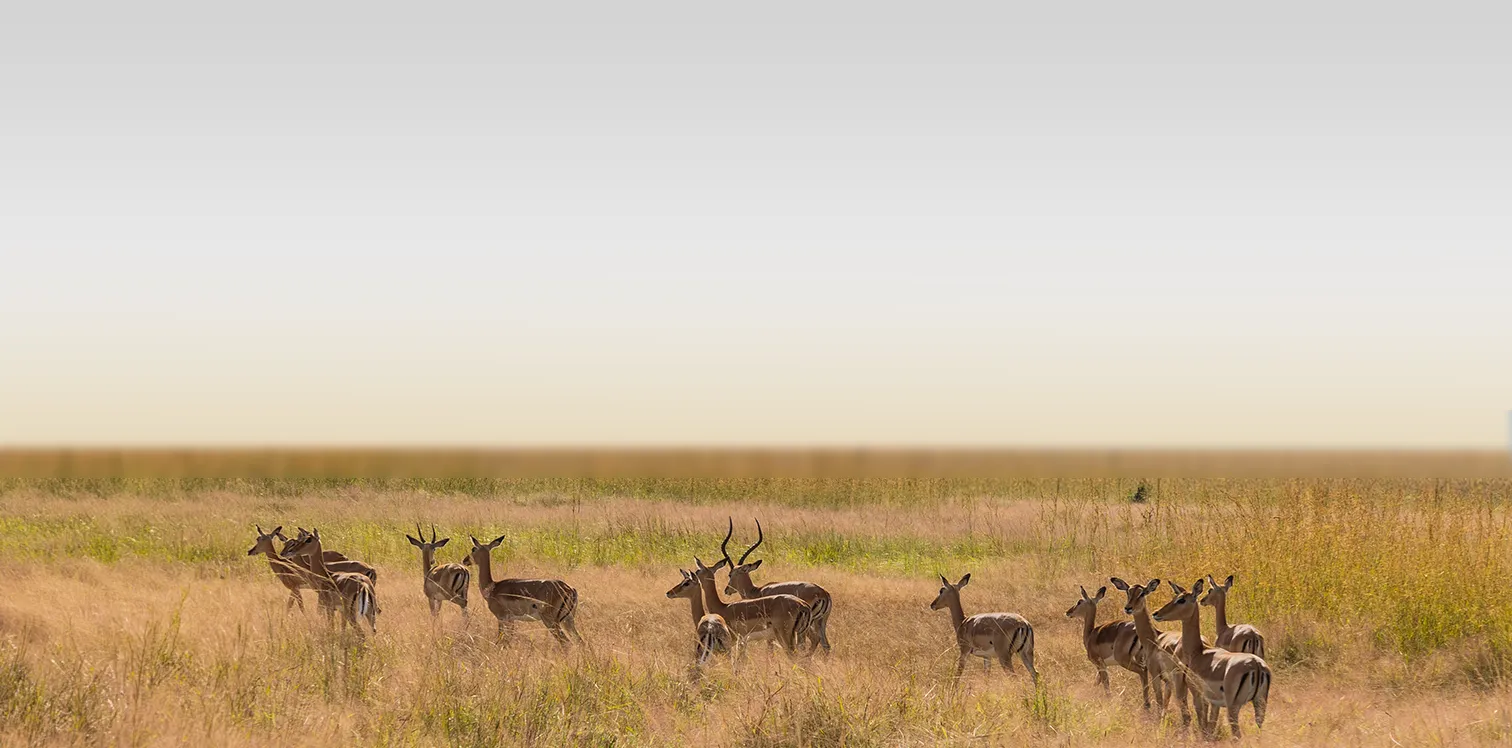
Wildlife in Mikumi National Park
Mikumi National Park supports a rich diversity of wildlife, making it a rewarding destination for safari enthusiasts. Its grasslands and woodlands provide habitats for large mammals, predators and smaller animals.
Animals commonly associated with the park include:
Elephants: Frequently seen moving through woodland and open grasslands.
Lions: Important predators that can sometimes be spotted during game drives.
Giraffes: Often found feeding on leaves from acacia trees.
Zebras: Commonly seen grazing in open areas.
Buffaloes: Found in herds across the park.
Wildebeest: Grazing animals that contribute to the park’s wildlife diversity.
Antelopes: Including impalas, eland and other species.
Hippopotamuses: Usually found in pools and suitable water habitats.
Leopards and spotted hyenas: Predators that inhabit the park but may be more difficult to observe.
Wildlife viewing is generally rewarding throughout the year, although animal movements and visibility vary with rainfall, vegetation and water availability.
Birdlife in Mikumi National Park
Mikumi is an excellent destination for birdwatching, with a wide variety of resident and migratory bird species. Its grasslands, woodlands, wetlands and water sources provide suitable habitats for many birds.
Visitors may encounter hornbills, bee-eaters, rollers, eagles, storks and other colourful species. Birds of prey can often be seen soaring above the plains, while waterbirds gather around wetlands and pools. Birdwatching can be combined with game drives, making it an enjoyable activity for both experienced bird enthusiasts and casual visitors.
The wetter months are particularly appealing for birdwatching because the landscape becomes greener and migratory birds may be present.
Top Things to Do in Mikumi National Park
Game Drives
Game drives are the main activity in Mikumi National Park. Travelling through the park in a safari vehicle allows visitors to explore different habitats while searching for elephants, lions, giraffes, zebras and other animals. Morning and afternoon drives offer opportunities to observe wildlife behaviour and photograph the changing landscapes.
Birdwatching
Birdwatching allows visitors to discover the park’s diverse birdlife. Different habitats support different species, from colourful woodland birds to waterbirds around pools and wetlands. A knowledgeable guide can help identify birds and explain their behaviour.
Wildlife Photography
Mikumi provides excellent opportunities for wildlife and landscape photography. Visitors can photograph elephants crossing the plains, giraffes feeding among acacia trees, zebras grazing in open grasslands and birds resting near water sources. The broad landscapes also provide attractive backgrounds for nature photography.
Guided Nature Walks
Guided nature walks may be available in designated areas, subject to park regulations and the required arrangements. Walking with an authorized guide or ranger provides a closer look at plants, animal tracks, insects and other features that may be overlooked during a vehicle safari.
Nature Observation
Beyond large mammals, visitors can appreciate the park’s vegetation, seasonal water sources and changing landscapes. Observing how animals interact with their surroundings provides a deeper understanding of the natural environment and the importance of wildlife conservation.
Best Time to Visit Mikumi National Park
Mikumi National Park can be visited throughout the year, but the best time depends on your interests and preferred safari experience.
June to October: The dry season is generally one of the best periods for wildlife viewing. Vegetation becomes thinner, and animals may gather around available water sources, making them easier to observe.
November to February: The landscape becomes greener following the short rains. This period can be rewarding for birdwatching and photography, with fresh vegetation adding colour to the scenery.
March to May: The long rains bring greener landscapes and support birdlife. However, heavy rainfall can make some roads and tracks more difficult to navigate.
For travellers mainly interested in spotting large mammals, the dry season is generally a good choice. Visitors who prefer green scenery and birdwatching may enjoy the wetter months.
Where to Stay in Mikumi National Park
Visitors to Mikumi National Park can choose from lodges, tented camps and campsites in or around the park. These accommodation options cater to different budgets and travel preferences.
Lodges provide comfortable rooms and convenient access to safari activities, while tented camps offer a closer connection with the surrounding natural environment. Camping is another option for travellers who prefer a more outdoor experience.
The best accommodation depends on your budget, desired level of comfort and length of stay. Booking in advance is recommended, especially during busy travel periods.
Why Visit Mikumi National Park?
Mikumi National Park offers an enjoyable combination of wildlife viewing, scenic landscapes and accessible safari experiences. Its open plains, diverse animal populations, birdlife and hippo pools make it an appealing destination for first-time safari visitors, families, couples and wildlife photographers.
The park is also a convenient starting point for exploring southern Tanzania. Visitors can combine a Mikumi safari with destinations such as Nyerere National Park or Udzungwa Mountains National Park for a broader experience of the country’s wildlife and natural landscapes. Whether you are planning a short safari or a longer adventure, Mikumi provides an opportunity to discover Tanzania’s remarkable natural heritage.
