
Tanzania is an exceptional destination for water sports and aquatic adventures, offering a wide range of experiences along its Indian Ocean coastline, tropical islands, freshwater lakes, and wildlife-rich rivers. From relaxing boat excursions and traditional dhow sailing to deep-sea fishing, scuba diving, and kite surfing, there are activities to suit different interests and experience levels.
The country’s diverse aquatic environments provide opportunities to discover marine wildlife, explore coral reefs, enjoy scenic boat rides, and learn about the coastal traditions that have shaped local communities for centuries. Whether you are planning a beach holiday in Zanzibar, a wildlife safari with a river excursion, or an active adventure on the water, Tanzania offers many ways to make your journey memorable.
1. Blue Safaris
Blue safaris are among the most enjoyable ways to explore Tanzania’s rivers, lakes, and coastal waters. These excursions involve traveling by motorboat, sailing vessel, or traditional boat through beautiful aquatic environments while observing wildlife, appreciating the scenery, and discovering places that are difficult to reach by road.
One of the best places to experience a river safari is Nyerere National Park, where boat trips along the Rufiji River provide opportunities to see hippos resting in the water, crocodiles along the riverbanks, and numerous bird species feeding near the shoreline. The river’s channels, sandbanks, and surrounding vegetation create a remarkable setting for photography and wildlife observation. A boat safari also offers a different perspective from a traditional game drive, allowing visitors to appreciate the relationship between wildlife and the river ecosystem.
Another fascinating destination is Mahale Mountains National Park, located beside Lake Tanganyika. Boat journeys across the lake reveal clear waters, forested mountain slopes, and secluded lakeshore scenery. The area is famous for its wild chimpanzees, which visitors can observe on guided forest treks rather than directly from the boat.
The Wami River near Saadani National Park is another destination where visitors can enjoy boat excursions surrounded by wetlands, riverine vegetation, and abundant birdlife. Along the Indian Ocean coast, blue safaris around Zanzibar and nearby islands combine sailing, swimming, snorkeling, and visits to sandbanks or small islands.
Blue safaris are suitable for travelers who want to combine relaxation, nature, and adventure. Depending on the destination and excursion, trips may last a few hours or a full day, making them an excellent addition to a Tanzania safari or beach holiday.
2. Canoeing
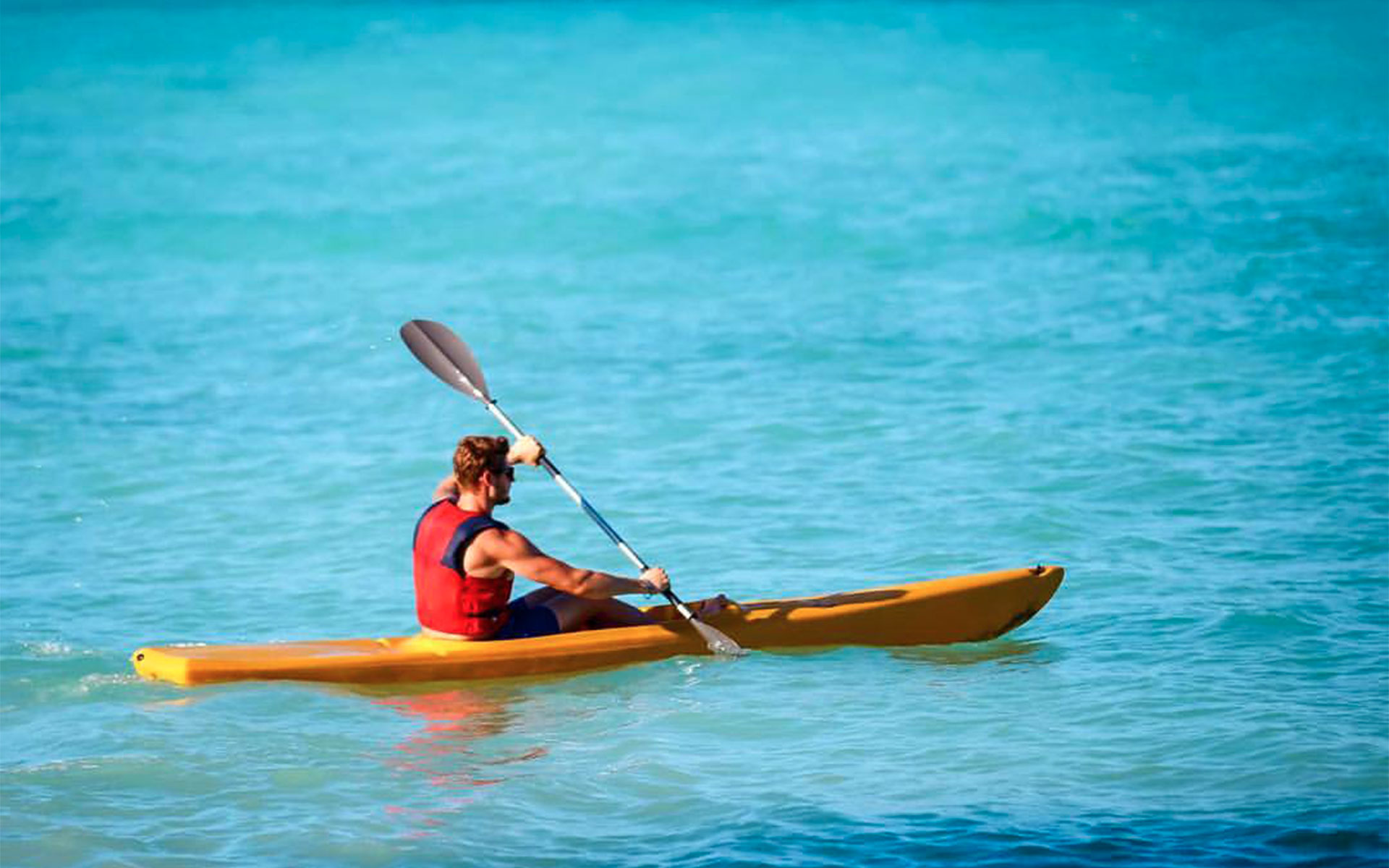
Canoeing provides a peaceful and engaging way to explore Tanzania’s lakes, wetlands, and coastal environments. Unlike motorized boat excursions, canoeing allows visitors to move quietly across the water, enjoy the surrounding scenery, and observe nature at a slower pace.
Arusha National Park offers guided canoeing experiences on Small Momella Lake. As visitors paddle across the lake, they can enjoy views of the surrounding hills and open landscapes while looking for waterbirds and other wildlife along the shoreline. Depending on the conditions, animals such as buffalo and giraffes may be visible near the water, although sightings are never guaranteed.
Canoeing is also an opportunity to discover the ecological importance of wetlands. Lakes and marshes provide habitats for many bird species and support the wider environment by providing feeding and breeding areas for wildlife. Moving quietly through these settings can make birdwatching particularly rewarding.
In Zanzibar, canoeing may be available in selected coastal areas and mangrove environments. Mangrove forests are important natural habitats that provide shelter for fish, crabs, birds, and other organisms. They also help protect shorelines from erosion and support the livelihoods of coastal communities.
Canoeing is suitable for visitors seeking a relaxing outdoor activity, although availability, routes, and safety requirements vary by destination. Guided excursions are recommended in unfamiliar waters, and visitors should use appropriate flotation equipment and follow local instructions.
3. Deep-Sea and Inland Fishing
Tanzania offers a wide variety of fishing experiences, from offshore excursions in the Indian Ocean to freshwater fishing in rivers and lakes. The country’s diverse aquatic habitats support many fish species, attracting recreational anglers and visitors interested in experiencing local fishing traditions.
Deep-Sea Fishing
The waters surrounding Zanzibar, Pemba Island, and Mafia Island are popular destinations for offshore fishing. The Pemba Channel, which separates Pemba from mainland Tanzania, is known for its deep waters and opportunities to pursue large game fish.
Depending on the season, location, and sea conditions, anglers may encounter species such as tuna, kingfish, barracuda, dorado, and marlin. Fishing excursions usually involve traveling by boat to selected fishing grounds with experienced local crews who understand the tides, currents, and seasonal movements of fish.
A typical trip may begin early in the morning, when conditions can be suitable for traveling offshore. Visitors can enjoy the ocean scenery, watch seabirds, and experience the excitement of fishing in deeper waters. Some operators provide fishing equipment, bait, refreshments, and guidance, although inclusions vary.
Inland Fishing
Freshwater fishing offers a different experience in Tanzania’s rivers and lakes. Selected rivers around Mount Kilimanjaro and Mount Meru provide opportunities for trout fishing, while the Kilombero and Great Ruaha river systems are associated with tigerfish and other freshwater species.
Lake Victoria and Lake Tanganyika also support important fisheries and diverse aquatic life. Fishing in these areas can introduce visitors to the importance of freshwater resources for local communities, food supplies, and regional economies.
The type of fishing experience depends on the location, available facilities, and local regulations. Travelers should check whether permits are required and choose responsible operators who follow applicable fishing restrictions and conservation guidelines.
4. Traditional Dhow Cruises
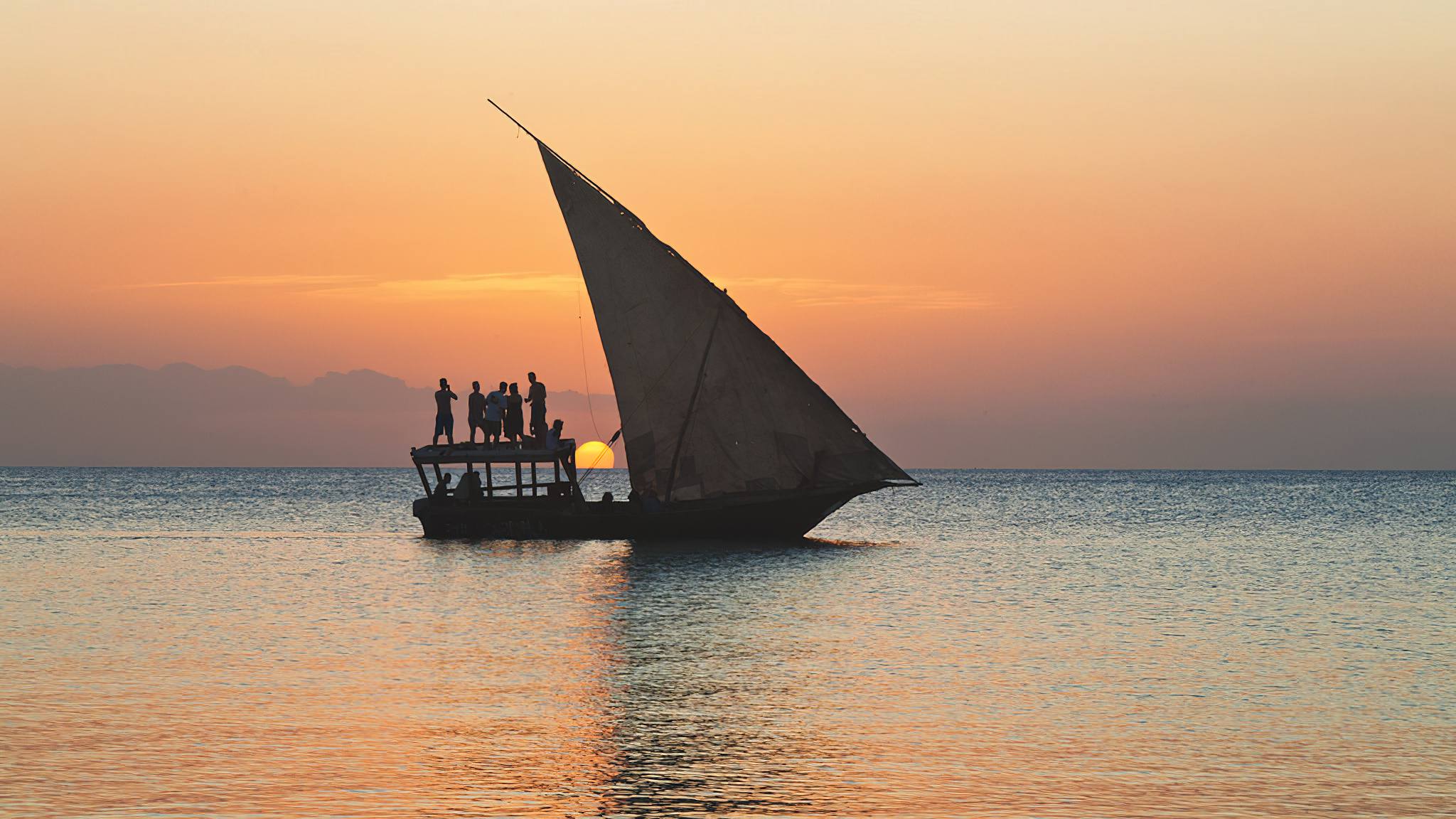
Traditional dhow cruises offer visitors a chance to experience Tanzania’s coastal beauty while learning about the maritime history of the Swahili coast. For centuries, dhows have been used to transport goods and people across the Indian Ocean, connecting coastal East Africa with Arabia, India, and other trading regions.
These wooden vessels are recognized by their distinctive sails and traditional construction. Although modern boats are also used for coastal excursions, sailing on a traditional dhow offers a special atmosphere that reflects the region’s long relationship with the sea.
Zanzibar is one of the best places to enjoy a dhow cruise. Visitors can choose from sunrise sailing, sunset excursions, private charters, and trips that include swimming or picnics on sandbanks. Some excursions also combine dhow sailing with snorkeling around nearby reefs, depending on the itinerary and sea conditions.
Sunset cruises are particularly popular because they provide beautiful views of the coastline as the sky changes color over the Indian Ocean. During the journey, travelers can relax on board, enjoy the sea breeze, and admire the island’s beaches and distant landmarks.
A dhow cruise can be suitable for couples, families, groups of friends, and photographers. It also provides an opportunity to appreciate traditional sailing culture and the role that maritime trade has played in shaping Zanzibar’s history.
Visitors should confirm the type of vessel, trip duration, safety equipment, refreshments, and any additional activities included before booking.
5. Scuba Diving and Snorkeling
Tanzania’s Indian Ocean coastline is home to a rich marine environment featuring coral reefs, tropical fish, sea turtles, and other fascinating underwater species. Zanzibar, Pemba Island, and Mafia Island are among the country’s leading destinations for snorkeling and scuba diving.
Snorkeling
Snorkeling is an accessible way to discover underwater life without requiring extensive training. Using a mask, snorkel, and fins, visitors can observe colorful fish and coral formations in suitable shallow-water locations.
Around Zanzibar, snorkeling excursions often visit selected reefs and sandbanks where conditions allow visitors to explore the marine environment. Mafia Island is also known for its coral reef habitats and marine biodiversity. The experience varies according to water clarity, tides, currents, and weather.
Snorkeling is suitable for many travelers, including beginners, provided they are comfortable in the water and follow appropriate safety guidance. Life jackets and guided supervision can help make excursions more accessible.
Scuba Diving
Scuba diving allows visitors to explore deeper underwater environments using specialized breathing equipment. Divers may encounter coral gardens, reef fish, underwater rock formations, and other marine life that cannot always be seen from the surface.
Pemba Island is known for its underwater walls and reef systems, while Zanzibar offers a range of dive sites suitable for different experience levels. Mafia Island is another important destination for marine exploration, with protected waters supporting diverse marine habitats.
The best diving conditions vary by location and season. November to March can offer favorable visibility in some areas, although currents, rainfall, and local weather patterns can affect conditions throughout the year.
Beginners can look for introductory experiences or certified courses offered by reputable dive centers. Certified divers should select sites appropriate to their qualifications and experience.
Protecting the marine environment is essential. Visitors should avoid touching coral, chasing marine animals, collecting shells from protected areas, or standing on reefs. Responsible diving and snorkeling help preserve Tanzania’s underwater attractions for future generations.
6. Whale Watching
Whale watching offers an opportunity to observe some of the Indian Ocean’s most impressive marine mammals in their natural environment. Humpback whales are known to migrate through parts of Tanzania’s coastal waters, providing seasonal opportunities for sightings around selected coastal and island destinations.
These whales undertake long migrations between feeding and breeding areas. Their size, powerful movements, and occasional breaches make them fascinating to observe. Visitors may also have the opportunity to see tail flukes, surface blows, or other natural behaviors when conditions are suitable.
Zanzibar and surrounding waters have attracted interest from researchers studying humpback whale populations and their movements. August and the surrounding months may offer opportunities for seasonal sightings in some areas, although the timing can vary from year to year.
Whale-watching excursions usually take place by boat and are best arranged with operators who understand local marine conditions. A successful trip depends on the whales’ movements, weather, and sea conditions, so sightings cannot be guaranteed.
Responsible whale watching is important for protecting these animals. Boats should maintain appropriate distances, avoid chasing whales, and follow local wildlife-viewing guidelines. Visitors should also be prepared for changing sea conditions and bring sun protection, drinking water, and any recommended motion-sickness medication.
For nature enthusiasts and photographers, whale watching adds a memorable marine wildlife experience to a holiday in Tanzania.
7. Kite Surfing
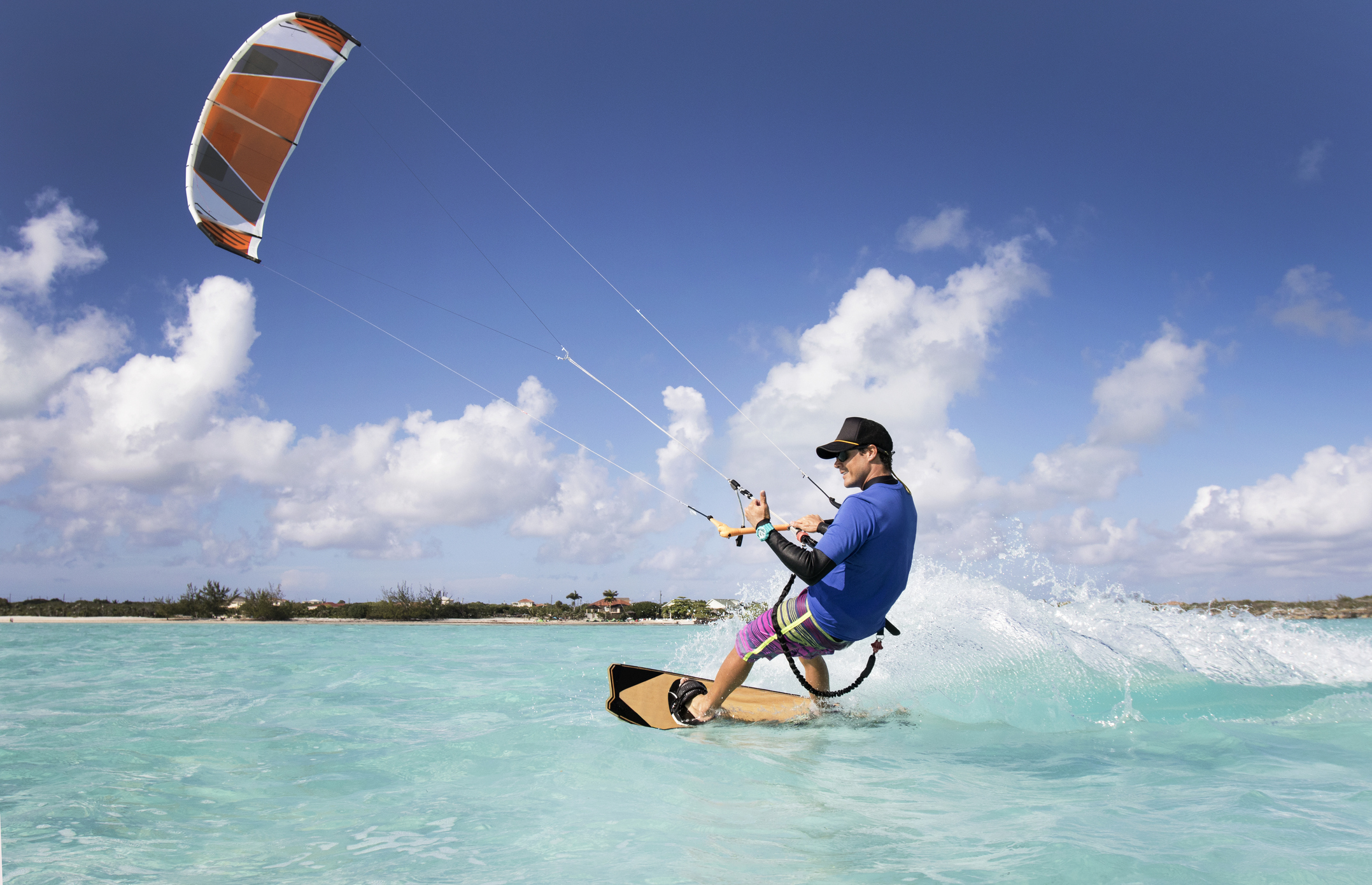
Kite surfing, also known as kitesurfing, is one of the most exciting water sports available in Zanzibar. The activity combines a specially designed kite with a board, allowing participants to use the wind to glide across the water and perform turns and jumps as their skills develop.
Zanzibar’s southeastern coastline is particularly popular with kite surfers. Paje is a well-known center for the sport, with schools and operators offering lessons, equipment rental, and guided sessions. The area’s broad beaches and shallow lagoon in suitable tidal conditions make it attractive to beginners, while more experienced riders can enjoy challenging sessions when the wind and water conditions are appropriate.
Learning to Kite Surf
Beginners usually start with lessons covering kite control, wind awareness, equipment handling, and water safety. Before moving onto the board, learners practice controlling the kite on land or in shallow water under instructor supervision.
As their skills improve, participants learn how to launch, steer, and ride across the water. The learning process requires patience, but professional instruction can help beginners build confidence and understand the risks associated with changing wind conditions.
Best Time for Kite Surfing
Kite-surfing conditions depend on seasonal wind patterns, tides, and weather. Zanzibar generally experiences popular kite-surfing periods during the seasonal trade winds, but conditions should always be checked with local schools before arranging a session.
Suitable equipment and experienced instructors are especially important for first-time participants. Visitors should follow safety briefings, respect designated riding areas, and avoid entering the water in unsuitable conditions.
Kite surfing is an excellent choice for travelers seeking an active beach holiday. It combines exercise, skill development, and the opportunity to enjoy Zanzibar’s tropical coastline from a different perspective.
Plan Your Tanzania Water Adventure
Tanzania offers much more than traditional wildlife safaris and beach relaxation. Its rivers, lakes, islands, and coastal waters provide opportunities for outdoor adventure, marine wildlife observation, fishing, and cultural discovery.
Blue safaris introduce visitors to wildlife-rich waterways, canoeing provides a quieter connection with nature, and fishing excursions explore both freshwater and marine environments. Traditional dhow cruises reveal the heritage of the Swahili coast, while scuba diving and snorkeling open up a fascinating underwater world. Whale watching offers seasonal marine wildlife encounters, and kite surfing adds excitement to a tropical beach holiday.
These activities can be enjoyed individually or combined into a wider Tanzania itinerary. Travelers can include a river excursion during a wildlife safari, explore the ocean around Zanzibar after visiting the mainland, or dedicate several days to diving, fishing, and other water sports.
When planning your activities, consider the season, weather, water conditions, safety requirements, and environmental guidelines. Choosing experienced local operators and responsible excursions helps ensure an enjoyable experience while supporting the conservation of Tanzania’s aquatic environments.
Discover Tanzania from the water and experience another side of this remarkable destination, from its inland waterways to the turquoise waters of the Indian Ocean.
