Let’s Explore
Ngorongoro Crater
Ngorongoro Crater
Ngorongoro Crater is one of Tanzania’s most spectacular natural attractions and one of the most famous safari destinations in northern Tanzania. Located within the Ngorongoro Conservation Area, the crater is a huge volcanic caldera surrounded by steep walls and beautiful highland scenery. Its fertile crater floor supports a remarkable concentration of wildlife, making it one of the best places in Tanzania to see a wide variety of animals in a relatively small area.
The crater was formed when a large volcano collapsed after a major eruption millions of years ago. Today, it covers about 260 square kilometres and reaches a depth of around 600 metres. The crater floor contains open grasslands, forests, swamps, seasonal wetlands, and Lake Magadi, creating different habitats for wildlife. The surrounding Ngorongoro Conservation Area also includes mountains, forests, archaeological sites, and traditional Maasai communities.
Attractions in Ngorongoro Crater
Wildlife
Ngorongoro Crater is home to a large variety of wildlife. The crater floor provides permanent water, rich grazing areas, and shelter, allowing many animals to remain in the area throughout the year.
Visitors may see lions, elephants, buffaloes, zebras, wildebeests, hippos, hyenas, warthogs, giraffes, gazelles, elands, jackals, and many other species. The crater is also one of the important places in Tanzania to look for the endangered black rhinoceros.
The concentration of wildlife makes the crater particularly rewarding for game drives, with many animals often seen within a relatively short distance of each other.
Black Rhinoceros
The black rhinoceros is one of the most special animals found in Ngorongoro Crater. The open grasslands provide suitable feeding areas, while the crater’s natural walls offer a protected environment.
Rhinos can sometimes be seen grazing on the crater floor or resting in the grasslands. Sightings are never guaranteed, but Ngorongoro is one of the places where visitors have a good opportunity to search for them during a game drive.
Lake Magadi
Lake Magadi is a shallow alkaline lake located on the crater floor. It is one of the most recognizable features of Ngorongoro and attracts a variety of animals and birds.
During certain periods, the lake may support large numbers of flamingos and other waterbirds. Hippos can also be found in nearby water areas, while animals such as zebras and wildebeests often graze around the surrounding grasslands.
Lerai Forest
Lerai Forest is a small woodland area on the crater floor. The forest provides shade, food, and shelter for wildlife, particularly during the warmer parts of the day.
Elephants are often associated with the forest, while birds and smaller animals can also be found among the trees. The contrast between the forest, open grasslands, and surrounding crater walls creates some of the most attractive scenery in the crater.
Ngorongoro Crater Rim
The crater rim provides spectacular views across the entire caldera. From the high viewpoints, visitors can see the crater floor, grasslands, forests, wetlands, and wildlife below.
The higher elevations around the rim are cooler and often covered with mist, forests, and green vegetation. The changing weather and light can create beautiful views throughout the day.
Maasai Culture
The Ngorongoro Conservation Area is also home to Maasai communities who have traditionally lived alongside wildlife and practiced pastoralism.
A cultural visit can provide an opportunity to learn about Maasai traditions, livestock keeping, traditional homes, crafts, music, dances, and everyday life. These experiences offer a different perspective on the relationship between people and the natural environment.
Olduvai Gorge
Olduvai Gorge is one of the most important archaeological sites within the Ngorongoro Conservation Area. The site has produced significant fossils and archaeological discoveries that have helped scientists understand the history of early humans.
Visitors can learn about the discoveries made in the area and explore the small museum and surrounding landscape as part of a wider northern Tanzania safari.
Top Things to Do in Ngorongoro Crater
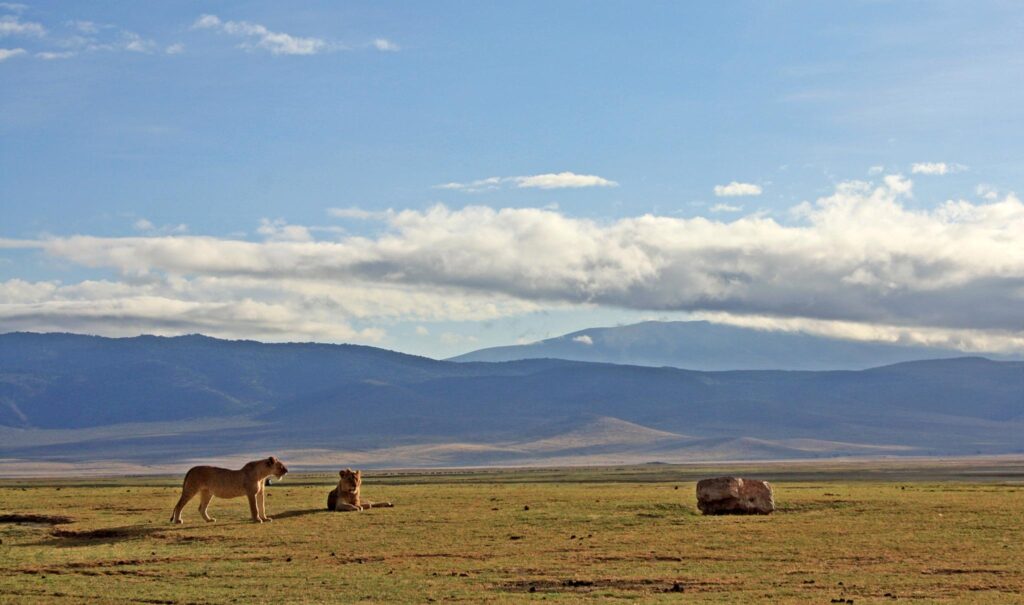
Crater Game Drive
A game drive into Ngorongoro Crater is the main activity for visitors. The journey begins at the crater rim before descending through the forested slopes to the open crater floor.
Once inside, visitors can explore different habitats while searching for wildlife. Lions, buffaloes, zebras, wildebeests, elephants, hippos, hyenas, gazelles, and black rhinos are among the animals that may be seen.
The crater’s enclosed environment and permanent water sources make it possible to see a wide range of wildlife during a single game drive.
Wildlife Photography
Ngorongoro Crater offers excellent opportunities for wildlife photography. The open grasslands provide clear views of animals, while the crater walls create a dramatic background.
The early morning light can be particularly beautiful for photography, especially when mist hangs over the crater rim and the first sunlight reaches the crater floor.
Bird Watching
Ngorongoro is home to a wide variety of bird species. The crater floor, forests, wetlands, and surrounding highlands provide different habitats for both resident and migratory birds.
Visitors may see flamingos around Lake Magadi, birds of prey above the grasslands, and many smaller species around the forests and open areas.
Cultural Experiences
Visitors can explore the culture and traditions of the Maasai communities living within the Ngorongoro Conservation Area.
Depending on the itinerary, a cultural visit may include seeing a traditional Maasai boma, learning about cattle keeping, observing traditional dances, and meeting community members.
Hiking and Walking
The wider Ngorongoro Conservation Area offers opportunities for guided walking experiences in selected areas. Walking allows visitors to experience the highlands, forests, crater landscapes, and wildlife from a different perspective.
Popular walking areas include the surroundings of Empakaai Crater and Olmoti Crater, where visitors can explore scenic highland landscapes with a local guide.
Visit Olduvai Gorge
A visit to Olduvai Gorge can be added to a safari itinerary between Ngorongoro and Serengeti. The site offers an opportunity to learn about some of the important archaeological discoveries associated with human evolution.
The surrounding landscape also provides beautiful views of the Rift Valley and the wider conservation area.
Best Time to Visit Ngorongoro Crater
Ngorongoro Crater can be visited throughout the year because wildlife remains in the crater in all seasons.
The dry season from June to October is a popular time for wildlife viewing. The weather is generally drier, vegetation is less dense, and animals are easier to spot around water sources and open grasslands.
The green season from November to May brings rainfall and greener landscapes. This period is particularly attractive for visitors who enjoy fresh scenery, bird watching, and fewer crowds.
January to March can also be combined with a visit to the southern Serengeti and Ndutu area to experience the wildebeest calving season.
How to Get to Ngorongoro Crater
Ngorongoro Crater can be reached by road or air and is commonly included in northern Tanzania safari itineraries.
By Road
Most visitors travel from Arusha through the Great Rift Valley and continue towards the Ngorongoro Conservation Area. The journey passes through towns and landscapes such as Mto wa Mbu and Karatu before reaching the highlands.
Ngorongoro is also conveniently located between Lake Manyara and Serengeti, making it easy to combine several destinations in one safari.
By Air
Visitors can also travel by air to nearby airstrips serving the Ngorongoro area and then continue by safari vehicle. Flying is useful for travellers who want to reduce long road journeys or combine Ngorongoro with other destinations.
Where to Stay Around Ngorongoro Crater
There are many accommodation options around the Ngorongoro Conservation Area, ranging from luxury lodges and tented camps to mid-range hotels and campsites.
Accommodation can be found along the crater rim, in the highlands, and around Karatu. Staying near the crater rim provides easy access for early morning crater game drives, while staying around Karatu offers a wider choice of accommodation and convenient access to other northern Tanzania attractions.
Why Visit Ngorongoro Crater?
Ngorongoro Crater offers a unique combination of wildlife, volcanic landscapes, cultural heritage, and fascinating human history. The compact crater floor makes it possible to experience a remarkable variety of wildlife within a relatively small area.
From searching for black rhinos and watching lions on the open plains to exploring the crater rim, meeting Maasai communities, and learning about ancient human history at Olduvai Gorge, Ngorongoro offers much more than a traditional game drive. It is one of the most distinctive places to include in a Tanzania safari.
